Poor, Misunderstood Poison Ivy
TL;DR
Contact with poison ivy causes a rash due to a resin called Urushi all, triggering an immune response.
Transcript
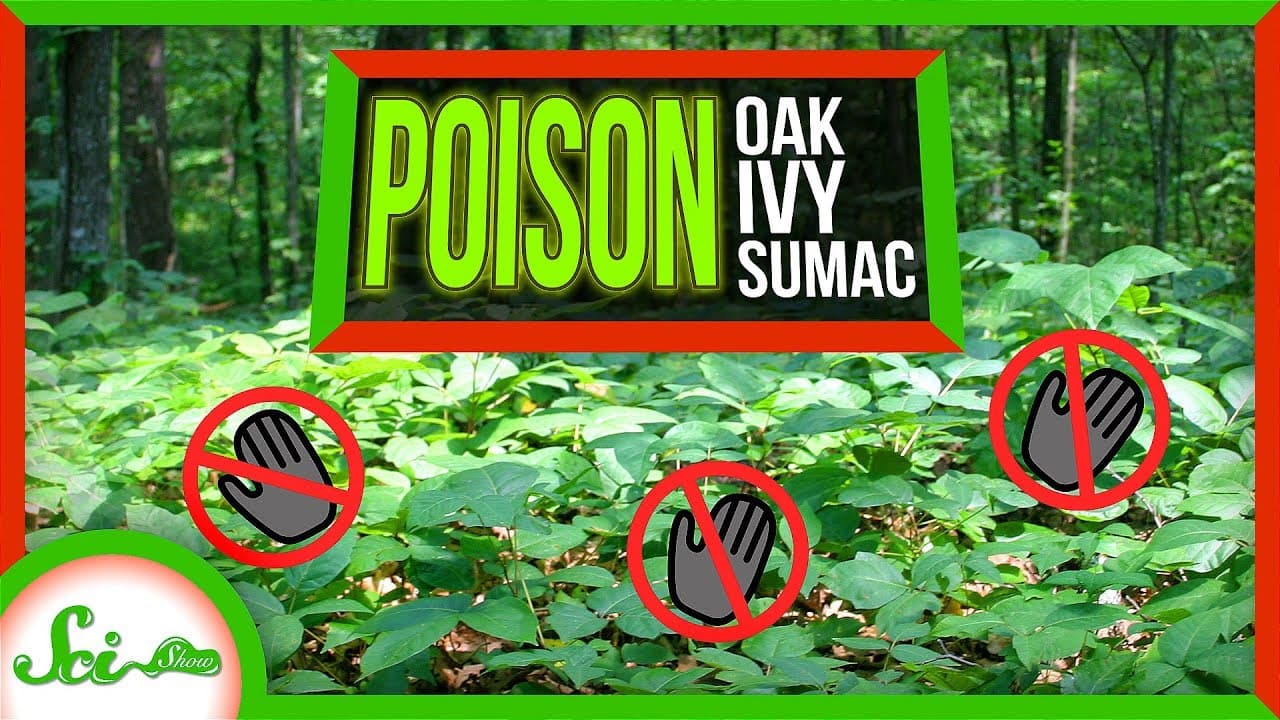
nothing can ruin your vacation quite like an encounter with one of nature's purveyors of itchiness of course I'm talking about poison oak poison ivy poison sumac and they're notorious relatives yes these botanical nightmares are clearly out to make camping and hiking as miserable as possible but maybe they're not maybe they were just hanging out in... Read More
Key Insights
- 💀 Urushi all in poison ivy causes contact dermatitis in humans.
- 🥺 The immune response to Urushi all leads to itching, swelling, and blisters.
- 💀 Some individuals may have immunity or delayed reactions to poison ivy.
- 🥺 Increased exposure to Urushi all may lead to developing sensitivity.
- ❓ Aging may weaken the immune response to Urushi all.
- 💀 Avoiding contact with poison ivy is the best prevention for contact dermatitis.
- ❓ Understanding the immune system's response to allergens like Urushi all is crucial.
Install to Summarize YouTube Videos and Get Transcripts
Explore YouTube Video Summarizer or Get YouTube Transcript Extractor
Questions & Answers
Q: Why do plants like poison ivy cause contact dermatitis?
Plants like poison ivy produce Urushi all, an oily resin that triggers an immune response in human skin cells, resulting in contact dermatitis.
Q: Can immunity to poison ivy develop over time?
Some individuals may believe they are immune to poison ivy, but repeated exposure can lead to sensitivity or allergic reactions, showing that immunity may not be permanent.
Q: How does the body's immune system react to Urushi all?
The body's immune system recognizes Urushi all as a threat, leading to the activation of T-cells that release proteins causing itching, swelling, and blisters as a defense mechanism.
Q: Why do some people not react to poison ivy?
Some individuals are less sensitive or not affected by Urushi all due to possible immunity or delayed reactions, but the exact reasons for this phenomena are not fully understood.
Summary & Key Takeaways
-
Poison ivy, poison oak, and poison sumac produce an oily resin called Urushi all, causing an itchy rash.
-
Urushi all interacts with skin cells, triggering an immune response and leading to redness, swelling, and blisters.
-
Some people are not affected by Urushi all due to possible immunity or delayed reactions.
Read in Other Languages (beta)
Share This Summary 📚
Summarize YouTube Videos and Get Video Transcripts with 1-Click
Try YouTube Summary with ChatGPT & Claude or YouTube Transcript Generator
Explore More Summaries from SciShow 📚


Summarize YouTube Videos and Get Video Transcripts with 1-Click
Try YouTube Summary with ChatGPT & Claude or YouTube Transcript Generator