Tex McIver Trial Prosecution Closing Argument
TL;DR
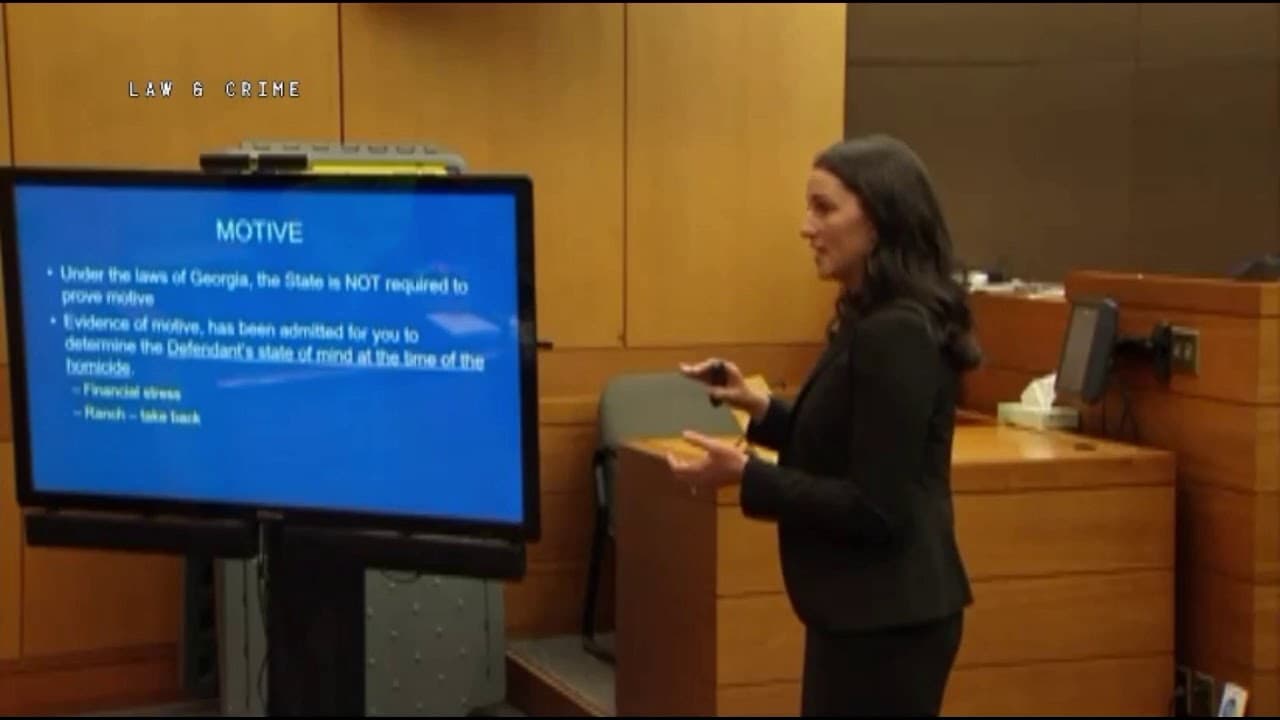
A prosecutor outlines key legal points regarding intent, malice, and evidence in a high-profile trial for a jury to consider.
Transcript
I wanted to start this morning with a number my number is 27 27 is the number of days that we have all been together believe it or not and I have the distinct privilege of being the first one here before you and telling you thank you on behalf of my team on behalf of the citizens of this county and on behalf of Diane MacGyver and I want to say than... Read More
Key Insights
- 👍 The prosecutor underscores the importance of intent, malice aforethought, and evidence in proving the guilt of the defendant.
- 🦻 Detailed explanations of legal concepts such as murder, felony murder, and influencing a witness aid the jury in understanding the charges.
- 🎠 The prosecutor uses real-world analogies like washing a car and pumping gas to illustrate the application of circumstantial and direct evidence.
Install to Summarize YouTube Videos and Get Transcripts
Explore YouTube Video Summarizer or Get YouTube Transcript Extractor
Questions & Answers
Q: What are some key charges the jury will consider in the trial?
The jury will assess charges such as murder, felony murder, aggravated assault, possession of a firearm during a felony, and influencing a witness, each with its own legal considerations and requirements for conviction.
Q: How does the prosecutor explain the concept of intent to the jury in the context of the case?
The prosecutor highlights the significance of intent in the case, emphasizing how actions, conduct, and circumstances surrounding the shooting can lead to inferring intent to commit the crime beyond a reasonable doubt.
Q: What role does circumstantial evidence play in the prosecutor's argument to the jury?
Circumstantial evidence, along with direct evidence, is crucial in building a case for the prosecution. The prosecutor uses examples like GPS records, gun safety knowledge, and financial stress to strengthen the case against the defendant.
Q: How does the prosecutor address the issue of credibility in witness testimony?
The prosecutor emphasizes that it is up to the jury to assess the credibility of witness testimony, urging them to consider factors like motive, consistency, and reliability when evaluating the evidence presented.
Summary & Key Takeaways
-
Prosecutor begins by expressing gratitude to the jury for their attention and dedication during the trial, emphasizing the importance of their role.
-
Details the specific charges the jury will consider, including murder, felony murder, aggravated assault, possession of a firearm, and influencing a witness.
-
Provides an in-depth explanation of legal concepts such as intent, malice aforethought, and the burden of proof the state must meet.
Read in Other Languages (beta)
Share This Summary 📚
Summarize YouTube Videos and Get Video Transcripts with 1-Click
Try YouTube Summary with ChatGPT & Claude or YouTube Transcript Generator
Explore More Summaries from Law&Crime Network 📚

Summarize YouTube Videos and Get Video Transcripts with 1-Click
Try YouTube Summary with ChatGPT & Claude or YouTube Transcript Generator