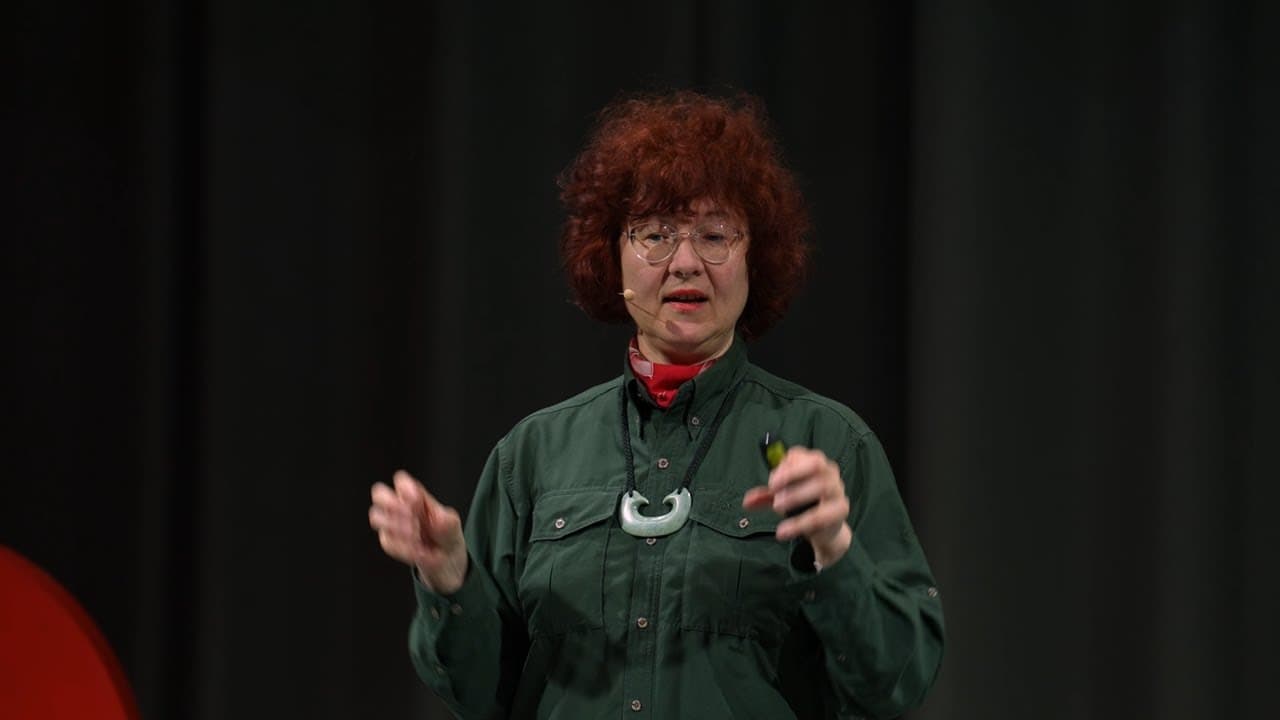
A bio-inspired vision for the future | Ille C. Gebeshuber | TEDxKollerschlag
TL;DR
Catastrophes in Earth's history led to the survival of magnetotactic bacteria, and now we face modern challenges like conflicts, climate change, resources, and pollution.
Transcript
[Applause] 2.5 billions of years ago something horrible happened tuano bacteria started to do photosynthesis which meant that they were producing something to eat and were ejecting a poison into the world this poison in German is called sour stuff sour substance oxygen due to this huge catastrophe 98% of all the species which were alive 2.5 billion... Read More
Key Insights
- 🥺 Catastrophes in Earth's history have led to the survival and evolution of organisms like magnetotactic bacteria.
- 💱 The modern Four Horsemen of the Apocalypse include conflicts, climate change, resource depletion, and pollution.
- ❓ Using local materials and natural processes can address resource scarcity and pollution issues effectively.
- ❓ Growth inspired by nature can revolutionize technology development and minimize environmental impact.
- 👶 Political challenges, fueled by false beliefs, require new structures for effective governance in an interconnected world.
- 🛟 Albert Schweitzer's concept of "reverence for life" offers a path towards a sustainable and harmonious future.
Install to Summarize YouTube Videos and Get Transcripts
Explore YouTube Video Summarizer or Get YouTube Transcript Extractor
Questions & Answers
Q: How did oxygen-producing bacteria cause a mass extinction 2.5 billion years ago?
Oxygen produced by bacteria led to a mass extinction event, causing 98% of species to die out. The survivors, like magnetotactic bacteria, adapted to the toxic oxygen environment and thrived.
Q: What are some modern challenges we are facing today?
Modern challenges include conflicts, climate change, resource depletion, and pollution. These issues impact biodiversity, ecosystems, and the future habitability of Earth.
Q: How can plants help with resource extraction and pollution reduction?
Plants, like sunflowers, can accumulate metals from polluted soil, a process known as phytomining. By selectively extracting elements from electronic waste, plants offer a sustainable solution to resource scarcity and pollution.
Q: How can we transform growth and technology for a sustainable future?
By reimagining growth processes inspired by nature, we can create programmable materials and utilize local resources efficiently. This approach can revolutionize technology development and minimize environmental impact.
Summary & Key Takeaways
-
2.5 billion years ago, oxygen-producing bacteria caused mass extinction, with only 2% survivors like magnetotactic bacteria.
-
Modern challenges include conflicts, climate change, resources depletion, and pollution.
-
Solutions involve using local materials, like plants accumulating metals, and reimagining growth and technology.
Read in Other Languages (beta)
Share This Summary 📚
Summarize YouTube Videos and Get Video Transcripts with 1-Click
Try YouTube Summary with ChatGPT & Claude or YouTube Transcript Generator
Explore More Summaries from TEDx Talks 📚


Summarize YouTube Videos and Get Video Transcripts with 1-Click
Try YouTube Summary with ChatGPT & Claude or YouTube Transcript Generator