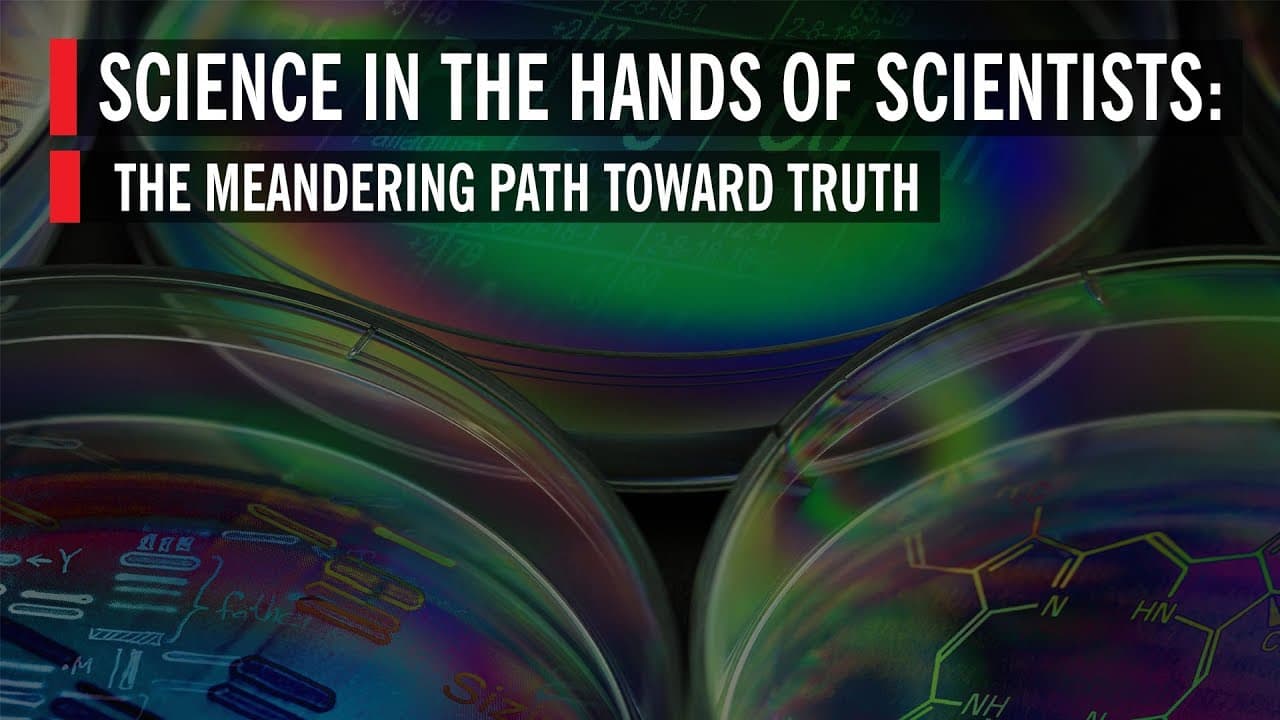
Science in the Hands of Scientists: The Meandering Path Toward Truth
TL;DR
Scientists discuss pressures, biases, and challenges in scientific research.
Transcript
Welcome to Science in the Hands of Scientists. I'm Carl Zimmer and this afternoon we're going to have a conversation about how science happens. You know we have to bear in mind science is not something that happens in the abstract. People do science. And so these are not you know gods who are impervious to the forces that shape us. They're human li... Read More
Key Insights
- 👨🔬 Scientists experience pressures such as bias, funding constraints, and competition that influence research decisions.
- 👔 Incentives tied to publication in prestigious journals can prioritize novelty over scientific rigor and replication.
- 🧑🔬 Collaboration between scientists and journalists can enhance transparency and accuracy in reporting scientific findings.
Install to Summarize YouTube Videos and Get Transcripts
Explore YouTube Video Summarizer or Get YouTube Transcript Extractor
Questions & Answers
Q: How do biases and pressures outside of the scientific method affect the research process?
Biases such as confirmation bias and external pressures like funding constraints can impact research decisions and integrity, influencing outcomes and publication accuracy.
Q: What role do incentives play in encouraging or discouraging scientific rigor and replication?
Incentives tied to publication in high-impact journals can prioritize novelty over replication, affecting the scientific rigor and integrity of research outcomes.
Q: How can the journalism industry positively or negatively influence the portrayal of scientific research?
Journalistic practices that prioritize sensationalism or clickbait headlines may distort the scientific narrative, while efforts to promote transparency and accuracy can enhance public understanding of research.
Q: How can scientists and journalists work together to ensure accurate and transparent reporting of scientific findings?
Collaborative efforts between scientists and journalists, including direct communication and transparent reporting, can help bridge the gap between research integrity and public dissemination.
Summary & Key Takeaways
-
The conversation explores the human elements influencing scientific research, from bias to pressure for funding and recognition.
-
Panelists discuss the process of training scientists and emphasize the importance of critical thinking and overcoming confirmation bias.
-
Challenges of competition, funding, and replication are addressed, highlighting the need for transparency and integrity in research.
Read in Other Languages (beta)
Share This Summary 📚
Summarize YouTube Videos and Get Video Transcripts with 1-Click
Try YouTube Summary with ChatGPT & Claude or YouTube Transcript Generator
Explore More Summaries from World Science Festival 📚


Summarize YouTube Videos and Get Video Transcripts with 1-Click
Try YouTube Summary with ChatGPT & Claude or YouTube Transcript Generator