Rosacea (Red Lesions on Face) | Causes, Triggers, Types, Signs & Symptoms, Diagnosis, Treatment
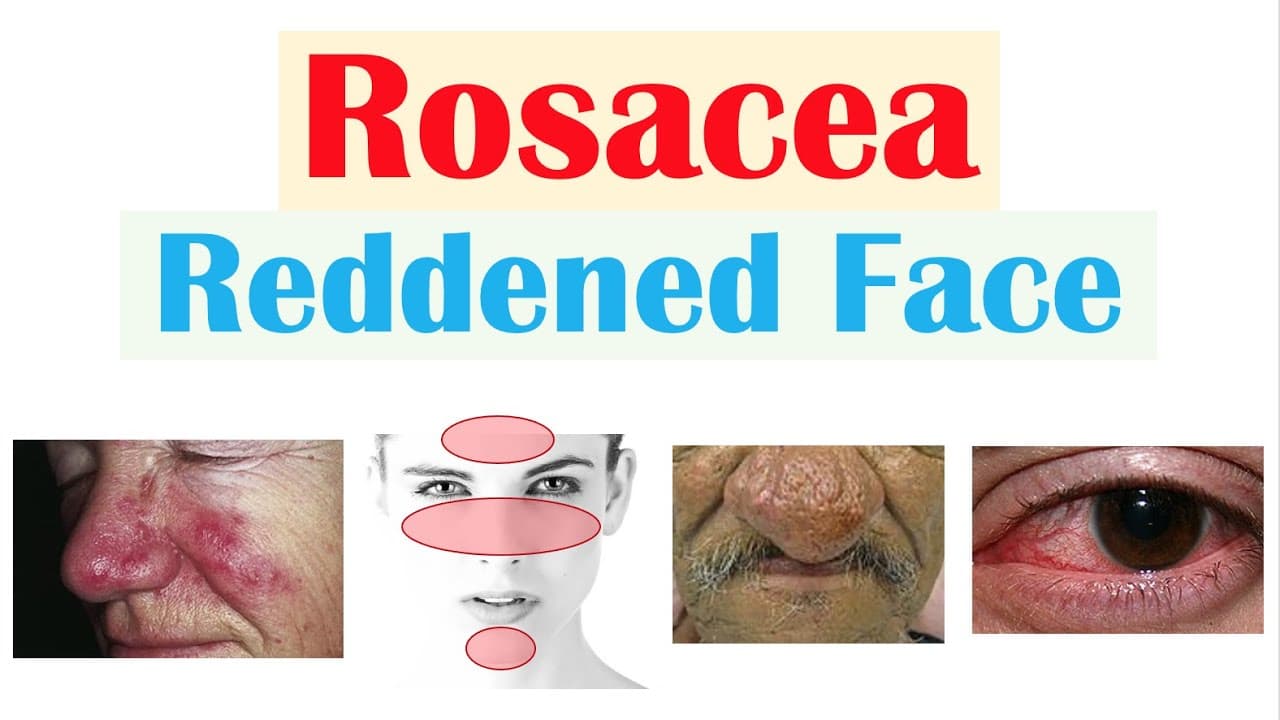
TL;DR
Rosacea is a chronic inflammatory condition that affects the skin on the face, with potential causes including genetics, demodex mites, H. pylori infection, and exposure to UV rays. It is characterized by different subtypes and clinical features, such as skin lesions, ocular symptoms, and rhinophyma. Treatment involves lifestyle changes, topical medications, and, in severe cases, surgical intervention.
Transcript
hi everyone welcome back to another lesson this lesson is on rosacea so we're going to talk about some of the potential causes of this condition we're also going to talk about some of the triggers the signs and symptoms so we're going to get into some of the specific skin lesions that can occur with rosacea then we're going to talk about how it's d... Read More
Key Insights
- ❓ Rosacea is a chronic inflammatory condition with an autoimmune component.
- 🙌 Potential causes of rosacea include genetics, demodex mite infestation, H. pylori infection, and exposure to UV rays.
- 😀 Rosacea has different subtypes, each presenting with specific clinical features and affecting various areas of the face.
- ❓ Ocular symptoms and rhinophyma are common complications of rosacea.
- ⚾ Clinicians diagnose rosacea based on a comprehensive assessment of symptoms and triggers.
- 💱 Treatment options for rosacea include lifestyle changes, topical medications, and surgical interventions.
- 😳 Laser therapy can be beneficial in treating flushing and reducing rhinophyma.
Install to Summarize YouTube Videos and Get Transcripts
Explore YouTube Video Summarizer or Get YouTube Transcript Extractor
Questions & Answers
Q: What are some potential causes of rosacea?
Rosacea may be caused by genetics, demodex mite infestation, H. pylori infection, and exposure to UV rays. Genetic factors and the presence of demodex mites or H. pylori infection seem to increase the risk of developing rosacea.
Q: What are the clinical features of rosacea?
Rosacea can present with different clinical features depending on the subtype. These include small dilated blood vessels (telangiectasias), reddening of the skin (erythema), flushing, inflammatory raised skin lesions (papules and pustules), burning or tingling sensations, itching, and ocular symptoms such as dryness, redness, and impaired vision.
Q: How is rosacea diagnosed?
Rosacea is mainly diagnosed based on a thorough clinical evaluation, taking into account the patient's history and physical examination. There are no specific diagnostic tests for rosacea, but the presence of characteristic symptoms and triggers can help in making an accurate diagnosis.
Q: What are the treatment options for rosacea?
Treatment for rosacea involves lifestyle changes to avoid triggers, such as stress, certain foods or drinks, temperature changes, and UV exposure. Topical medications like metronidazole, azelaic acid, and ivermectin cream can be used to manage the different clinical features. In severe cases, surgical interventions and laser therapy may be required for conditions like rhinophyma.
Summary & Key Takeaways
-
Rosacea is a common inflammatory condition that primarily affects the face, with an autoimmune component involved in its development.
-
Potential causes of rosacea include genetics, demodex mite infestation, H. pylori infection, and exposure to UV rays.
-
The condition has different subtypes, including erythematologic, papulopustular, phymatis, and ocular, each with distinct clinical features.
Read in Other Languages (beta)
Share This Summary 📚
Summarize YouTube Videos and Get Video Transcripts with 1-Click
Try YouTube Summary with ChatGPT & Claude or YouTube Transcript Generator
Explore More Summaries from JJ Medicine 📚



Summarize YouTube Videos and Get Video Transcripts with 1-Click
Try YouTube Summary with ChatGPT & Claude or YouTube Transcript Generator