Why flat-Earth theory & anti-vax conspiracies exist | Michio Kaku | Most Talked About 2019

TL;DR
Genetic predisposition influences superstition and skepticism, challenging the acceptance of science.
Transcript
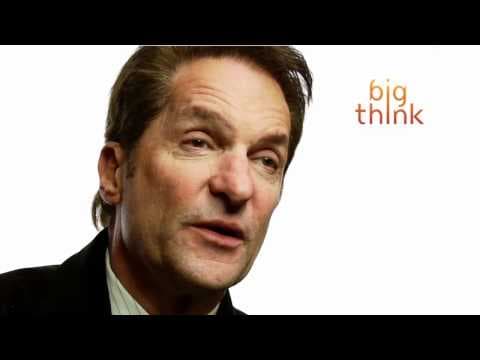
MICHIO KAKU: We still have Flat Earthers, we have people that don't believe in vaccinations, and what do we do about it? Well, first of all, I think there's a gene. I think there's a gene for superstition, a gene for hearsay, a gene for magic, a gene for magical thinking. And I think that, when we were in the forest, that gene actually helped us. B... Read More
Key Insights
- 🪄 Ancient genes for superstition and magic persist despite modern scientific advancements.
- 🔬 Science is a learned skill, contrasting the instinctual nature of superstition.
- ❓ Superstitions and misinformation endure due to genetic predispositions favoring hearsay.
- ❓ Pareidolia influences the perception of supernatural entities, reinforcing superstition.
- 🤔 Combatting superstition requires challenging our genetic inclination toward magical thinking.
- ❓ Genetic predisposition influences beliefs in Flat Earth and vaccine skepticism.
- 🤔 Education and critical thinking are essential to overcoming genetic biases toward superstition.
Install to Summarize YouTube Videos and Get Transcripts
Explore YouTube Video Summarizer or Get YouTube Transcript Extractor
Questions & Answers
Q: How does superstition relate to our genetic makeup?
Superstition, magic, and magical thinking have genes that were advantageous in the past but now challenge scientific progress due to their hardwired nature.
Q: Why is science seen as challenging compared to superstition?
Science, based on reproducibility and testing, lacks a genetic foundation and is a learned skill, unlike the instinctual nature of superstition ingrained in our genes.
Q: What is pareidolia, and how does it influence superstition?
Pareidolia is the tendency to see patterns or familiar shapes in random stimuli, leading to the perception of supernatural beings, reinforcing superstition through false visual associations.
Q: How can we address the prevalence of superstition and misinformation?
Overcoming inherited tendencies towards superstition requires a slow, careful process of education and critical thinking to counteract the genetic predisposition to believe in unfounded claims.
Summary & Key Takeaways
-
Humans have genes for superstition, magic, and magical thinking, which were beneficial in the past.
-
Science lacks a genetic basis and is an acquired taste, unlike superstition.
-
Combatting superstition and misinformation is a struggle against our genetic predisposition.
Read in Other Languages (beta)
Share This Summary 📚
Summarize YouTube Videos and Get Video Transcripts with 1-Click
Try YouTube Summary with ChatGPT & Claude or YouTube Transcript Generator
Explore More Summaries from Big Think 📚


Summarize YouTube Videos and Get Video Transcripts with 1-Click
Try YouTube Summary with ChatGPT & Claude or YouTube Transcript Generator