Does the Food Chain Stop At Jellyfish?
TL;DR
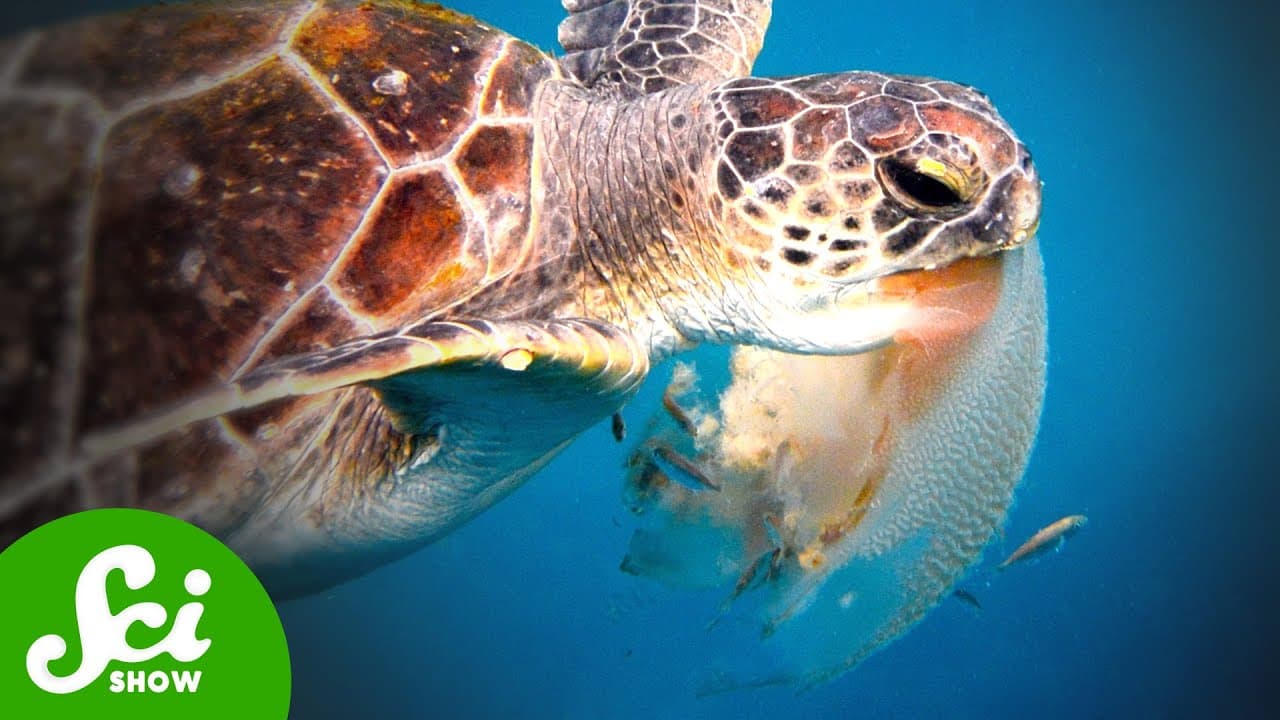
Jellyfish are more than just sea-celery, playing a vital role in marine food webs and nutrient cycling.
Transcript
If you were at a restaurant, sitting down, and, like, jellyfish was on the menu, you would probably order literally anything else. Like I can’t tell you what you’d definitely do, but there’s basically nothing there. They’re 95% water. Nothing you can sink your teeth into.. Now celery is also 95% water, but at least it goes well with wings and r... Read More
Key Insights
- 😋 Jellyfish play a crucial role in marine food webs by contributing to nutrient cycling through their feeding habits.
- 🥺 Predator-prey interactions with jellyfish can lead to nutrient optimization within marine ecosystems.
- 😋 Jellyfish blooms can impact nutrient distribution, potentially causing disruptions in marine food webs.
- 🪼 Marine conservation efforts benefit from understanding the ecological importance of jellyfish.
- 👶 New methodologies, such as stable isotope analysis, help reveal the dietary habits of marine animals, including their consumption of jellyfish.
- 🪼 Deep-sea organisms and predatory fish, like bluefin tuna, benefit from jellyfish die-offs.
- 🎚️ Jellyfish are a valuable and integrated part of marine ecosystems, impacting organisms at various trophic levels.
Install to Summarize YouTube Videos and Get Transcripts
Explore YouTube Video Summarizer or Get YouTube Transcript Extractor
Questions & Answers
Q: Why were scientists initially convinced that jellyfish were not essential to marine ecosystems?
Scientists believed jellyfish were insignificant in food webs due to their high water content and stinging tentacles, which seemed to offer little nutritional value.
Q: How do jellyfish contribute to nutrient cycling in the ocean?
Jellyfish consume plankton, leaving behind carbon-rich mucus that supports bacterial growth, ensuring nutrients are recycled in the marine ecosystem.
Q: How do predators of jellyfish optimize nutrient intake?
Predators selectively eat the most nutritious parts of jellyfish, leaving behind the less-nutritious portions, thus maximizing their nutrient intake and obtaining essential building blocks like collagen.
Q: What role do jellyfish play in marine conservation efforts?
Understanding the significance of jellyfish in marine food webs is crucial for monitoring environmental changes and population dynamics of marine animals in response to climate change and fishing practices.
Summary & Key Takeaways
-
Jellyfish, composed mostly of water and stingers, were once thought to have little ecological value but are now recognized for their contributions to marine ecosystems.
-
Jellyfish primarily eat plankton and small organisms, leaving behind carbon-rich mucus that supports bacterial growth.
-
Jellyfish blooms can impact nutrient distribution in marine food webs, affecting other organisms in the ecosystem.
Read in Other Languages (beta)
Share This Summary 📚
Summarize YouTube Videos and Get Video Transcripts with 1-Click
Try YouTube Summary with ChatGPT & Claude or YouTube Transcript Generator
Explore More Summaries from SciShow 📚

Summarize YouTube Videos and Get Video Transcripts with 1-Click
Try YouTube Summary with ChatGPT & Claude or YouTube Transcript Generator