Science-Backed Nutrition Plan for Cyclists | Cycling Science Explained
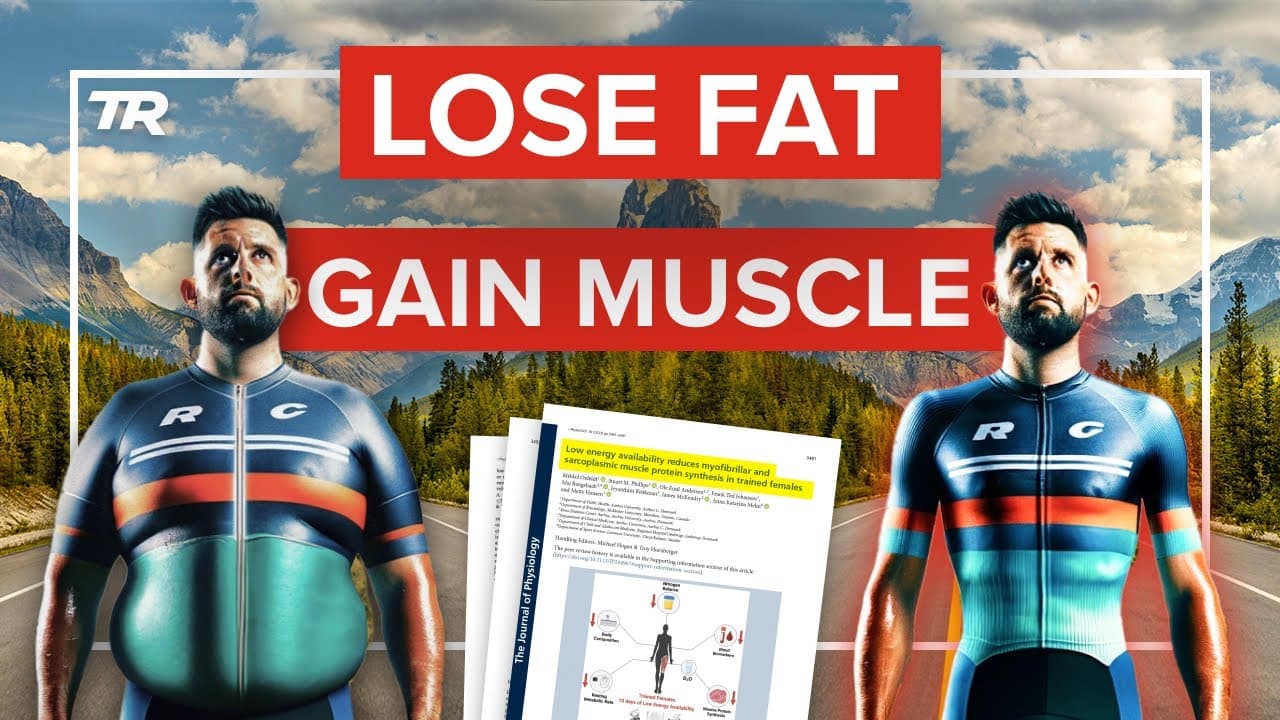
TL;DR
Maintaining optimum energy intake is crucial for cycling performance to prevent muscle loss and potential health risks.
Transcript
do you ever not eat during your rides and think maybe this will make me faster because it'll put me in a caloric deficit and that'll improve my power to weight ratio me too and guess what a recent study came out and it indicates that not only is this not making you faster it's probably making you slower how well here at trainer rby dug into the sci... Read More
Key Insights
- ☠️ Maintaining optimal energy intake is crucial for preserving muscle mass and metabolic rate in cyclists.
- 🥺 Prolonged caloric deficits can lead to muscle loss, decreased metabolic rate, and potential health risks like RED-S.
- ⚖️ Balancing energy intake with caloric expenditure through carbohydrates and protein is essential for cycling performance.
- 🎅 RED-S can impact performance, hormonal balance, and overall well-being in athletes.
- 🤩 Optimal body composition and consistent training are key to improving cycling performance.
- ☠️ A caloric deficit without adequate protein intake can result in muscle breakdown and slower metabolic rate.
- 🧡 Optimal energy availability ranges are essential for maximizing cycling performance and preventing health risks.
Install to Summarize YouTube Videos and Get Transcripts
Explore YouTube Video Summarizer or Get YouTube Transcript Extractor
Questions & Answers
Q: Why is maintaining optimal energy intake important for cycling performance?
Optimal energy intake sustains muscle mass, metabolic rate, and hormone levels, crucial for power output and overall cycling performance.
Q: What are the consequences of prolonged caloric deficits in athletes?
Prolonged caloric deficits can lead to muscle loss, decreased metabolic rate, and health risks like RED-S, impacting performance and overall well-being.
Q: How can cyclists avoid muscle loss while trying to trim body fat?
Cyclists can avoid muscle loss by calculating optimal energy intake, monitoring caloric expenditure, and fueling workouts with carbohydrates and protein.
Q: What is the significance of RED-S in relation to cycling performance and health?
RED-S can impair endurance, training adaptations, hormonal balance, and bone health in athletes, emphasizing the importance of balanced energy intake for optimal performance.
Summary & Key Takeaways
-
A study compared optimal energy availability vs. low energy availability in female athletes, highlighting the impact on muscle mass, metabolic rate, and hormone levels.
-
Maintaining a caloric deficit without adequate protein intake led to muscle loss and slowed metabolic rate, hampering cycling performance.
-
Relative Energy Deficiency in Sport (RED-S) can result from prolonged caloric deficits, affecting performance and health in athletes.
Read in Other Languages (beta)
Share This Summary 📚
Summarize YouTube Videos and Get Video Transcripts with 1-Click
Try YouTube Summary with ChatGPT & Claude or YouTube Transcript Generator
Explore More Summaries from TrainerRoad 📚






Summarize YouTube Videos and Get Video Transcripts with 1-Click
Try YouTube Summary with ChatGPT & Claude or YouTube Transcript Generator