Why I Hate This iPhone
TL;DR
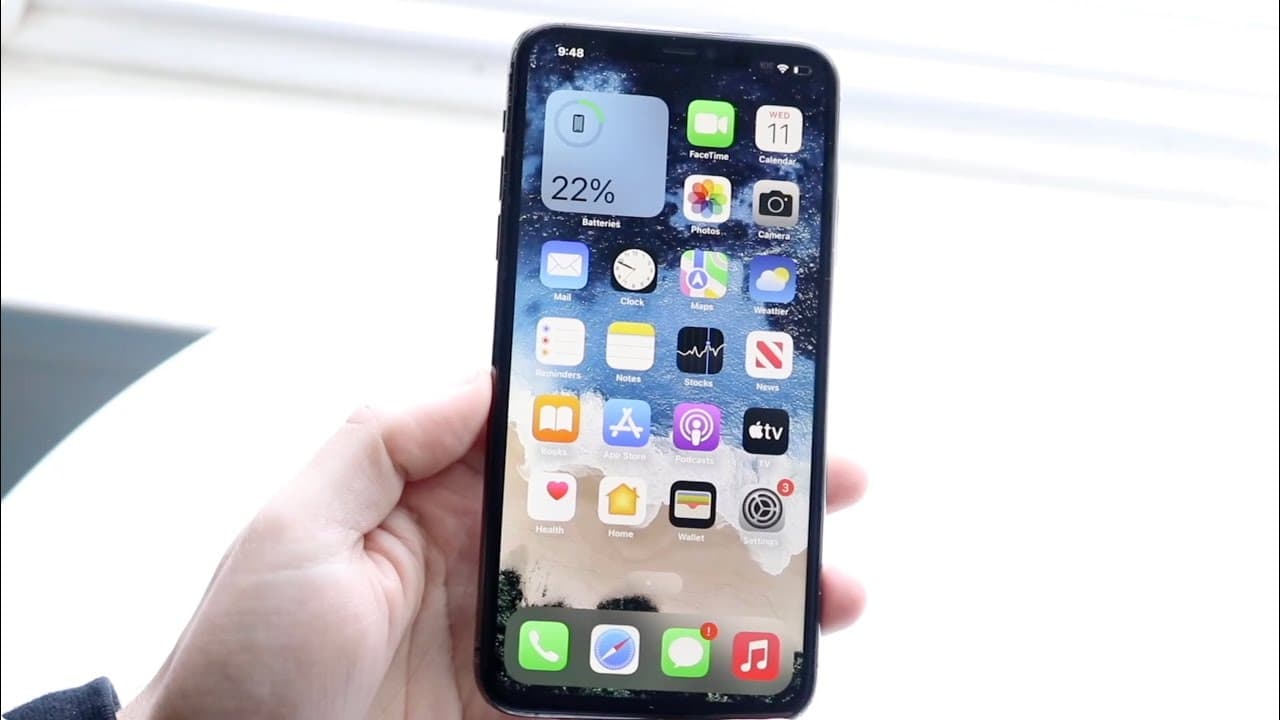
64 GB iPhones are becoming increasingly impractical due to system data usage and limited storage capacity.
Transcript
so there's an actual group of iPhones that I probably hate as of this point and it kind of shifts every single year or every other couple years whenever Apple makes some big changes within their iOS ecosystem or there's applications that kind of change up a lot of times a certain group of iPhones and a certain group of phones in general end up beco... Read More
Key Insights
- 👾 The significant adoption of system data in iPhones over time can drastically reduce their effective storage space.
- 🥺 Apple's predominance in the smartphone market has led to a shift toward larger baseline storage capacities, which are more aligned with current user needs.
- 😀 Users who engage in extensive app usage, photography, or storage of media files should avoid purchasing 64 GB iPhones due to limited capacity.
- 🤑 The trend shows that as smartphones become more feature-rich, the need for storage increases, emphasizing the relevance of higher storage options.
- ⛈️ Relying on cloud services can mitigate storage concerns, particularly for lighter users, but still doesn't replace the importance of choosing a sufficient on-device storage size.
- 🍵 Newer iPhone models starting from 128 GB are better equipped to handle the demands of iOS updates and media storage.
- 👾 Awareness of storage needs prior to purchasing an iPhone can save users from future frustration related to insufficient space.
Install to Summarize YouTube Videos and Get Transcripts
Explore YouTube Video Summarizer or Get YouTube Transcript Extractor
Questions & Answers
Q: Why are 64 GB iPhones becoming less valuable over time?
The decreasing value of 64 GB iPhones arises from the increasing amount of system data and updates that consume storage space. Every yearly update brings new features that, although enhance functionality, also require more storage. Consequently, users find less available space despite the nominal storage capacity, making the device less practical for regular use.
Q: Which iPhone models still come in 64 GB variants?
Currently, among Apple’s offerings, the iPhone SE 3 is one of the few models available with a 64 GB option. However, most new models come with larger base capacities, typically starting at 128 GB or higher. This shift reflects Apple's acknowledgment of growing storage demands in the digital landscape.
Q: Why is it important to choose an iPhone with larger storage?
Opting for an iPhone with larger storage, such as 128 GB or 256 GB, significantly enhances the user experience. These models can better accommodate system updates, apps, photos, and files without the user frequently encountering storage-related issues, allowing for a more fluid and functional smartphone experience.
Q: How does storage usage on iPhones differ from Android devices?
Unlike many Android devices, which often feature expandable storage via microSD cards, iPhones do not offer this option. This means that once you buy an iPhone with a certain storage capacity, you cannot increase it. Therefore, starting with a higher storage model is crucial for future-proofing the device.
Summary & Key Takeaways
-
The 64 GB iPhone models are gradually losing value as updates consume significant storage, rendering their actual usable space much less.
-
Apple's current offerings predominantly feature larger storage options, with 64 GB typically found in refurbished models, such as the iPhone SE 3.
-
Users planning to buy a new iPhone are advised to skip the 64 GB variants and consider higher capacities, especially for long-term use.
Read in Other Languages (beta)
Share This Summary 📚
Summarize YouTube Videos and Get Video Transcripts with 1-Click
Try YouTube Summary with ChatGPT & Claude or YouTube Transcript Generator
Explore More Summaries from Simple Alpaca 📚


Summarize YouTube Videos and Get Video Transcripts with 1-Click
Try YouTube Summary with ChatGPT & Claude or YouTube Transcript Generator