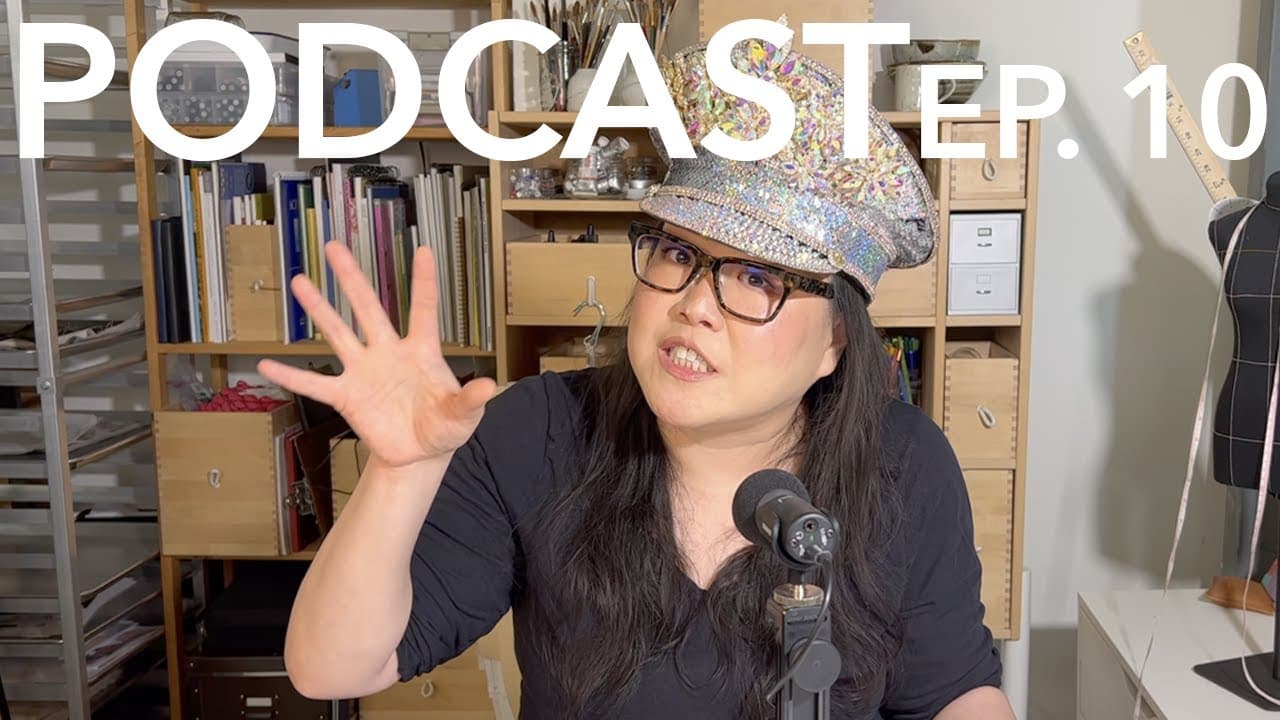
[PODCAST] EP 10: What is the Pink Tax? (+ Storytime and Rant of the Day)
TL;DR
The Pink Tax unfairly prices products marketed towards women higher than similar products marketed towards men.
Transcript
I think today's rant is gonna get me demonetized but I will speak my peace I might just you know turn off monetization off on this one just in case hey party people today I want to talk to you about the pink tax and I brought it up in another video a lot of people asked me to speak on it so here we go right the pink tax is not a thing where the IRS... Read More
Key Insights
- 🚕 The Pink Tax highlights gender disparities in pricing, quality, and societal expectations.
- ✋ The practice of pricing products marketed towards women higher perpetuates gender bias in the consumer market.
- 🆘 Inclusive sizing and fit model representation can help address issues related to the Pink Tax.
- ⚾ Transparency in pricing and consumer awareness are essential in combating gender-based pricing disparities.
- 💅 The Pink Tax extends beyond products to services like beauty treatments and dry cleaning, affecting consumers' purchasing decisions.
- ⚾ Designers should prioritize quality and fit when creating products to avoid perpetuating gender-based pricing disparities.
- 🚕 Social media can be a powerful tool for consumers to call out brands engaging in Pink Tax pricing practices.
Install to Summarize YouTube Videos and Get Transcripts
Explore YouTube Video Summarizer or Get YouTube Transcript Extractor
Questions & Answers
Q: What is the Pink Tax and how does it affect consumers?
The Pink Tax refers to the practice of charging higher prices for products marketed towards women compared to similar products marketed towards men. This practice affects consumers by perpetuating gender-based pricing disparities.
Q: What are some examples of the Pink Tax in different industries?
The Pink Tax is evident in toiletry products, medications like Dulcolax, beauty services, dry cleaning, children's toys, and fashion items where identical products for men are priced lower than those for women.
Q: What factors contribute to the prevalence of the Pink Tax in the consumer market?
The Pink Tax is perpetuated by societal norms, gender stereotypes, lack of transparency in pricing, and the assumption that women prioritize trends over quality, leading to higher prices for products marketed towards them.
Q: How can consumers and designers address the issue of the Pink Tax?
Consumers can choose brands that do not engage in Pink Tax pricing practices, educate themselves on discerning clothing quality, and call out brands that engage in gender-based pricing. Designers should use fit models of various sizes to ensure accurate and inclusive garment sizing.
Summary & Key Takeaways
-
The Pink Tax is a pricing strategy where products marketed towards women are priced higher than identical products for men in various industries.
-
Examples include toiletry products, medications, beauty services, dry cleaning, children's toys, and fashion items.
-
The Pink Tax highlights the gender disparity in pricing, quality, and societal expectations in the consumer market.
Read in Other Languages (beta)
Share This Summary 📚
Summarize YouTube Videos and Get Video Transcripts with 1-Click
Try YouTube Summary with ChatGPT & Claude or YouTube Transcript Generator
Explore More Summaries from Podcast Episodes 📚



Summarize YouTube Videos and Get Video Transcripts with 1-Click
Try YouTube Summary with ChatGPT & Claude or YouTube Transcript Generator