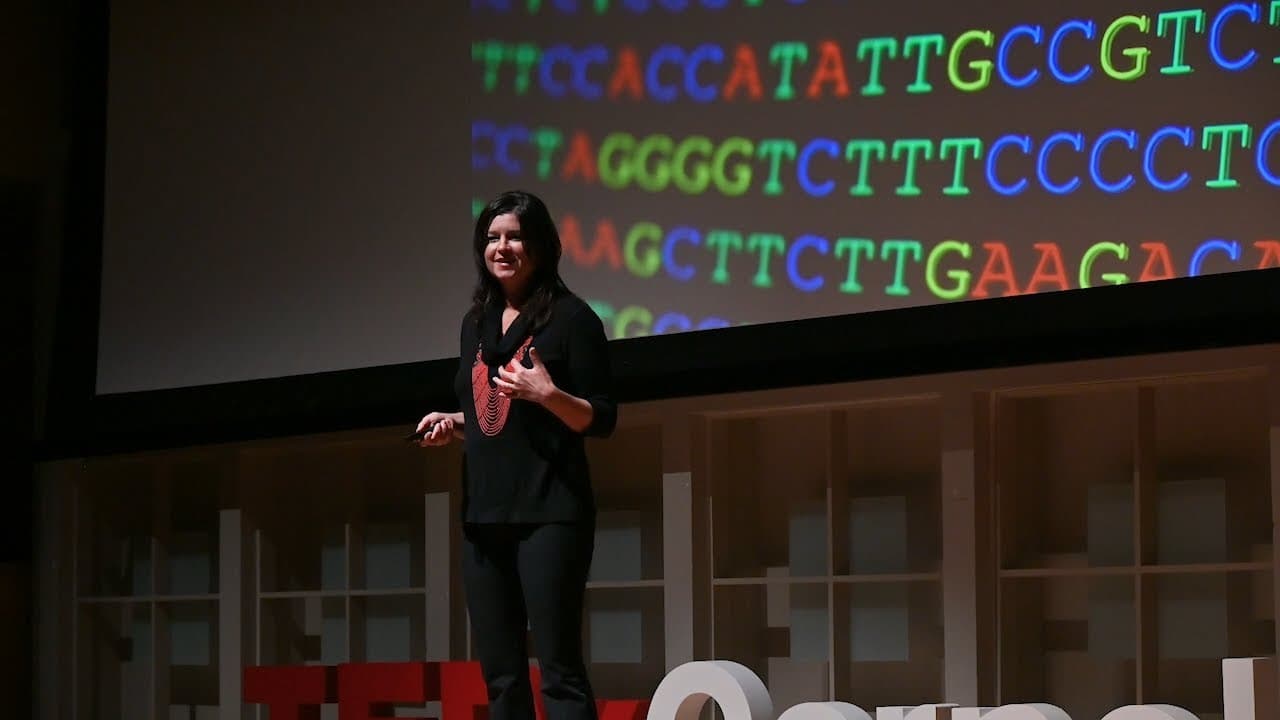
CRISPR for Plants and the Planet | Sarah Evanega | TEDxCornellUniversity
TL;DR
Eleanor's spirit lives on in the transformative potential of crispr technology to revolutionize food production and address societal challenges.
Transcript
foreign you have an Eleanor in your hometown I did her name was actually Eleanor and if something happened you can bet Eleanor was there if you broke your arm Eleanor was there in your driveway when you pulled in with your cast on Eleanor was there for every house fire every barn fire Eleanor was there for every birth and every death Eleanor's when... Read More
Key Insights
- 😃 Eleanor's legacy of small acts influencing big changes parallels the transformative potential of crispr technology in food production.
- 😨 Fear and misinformation have historically hindered scientific advancements like genetic engineering, reflecting broader societal attitudes towards innovation.
- 😋 Crispr technology offers precise genetic modifications that enhance crop characteristics, addressing global food access challenges.
- 😋 The introduction of crispr technology revolutionizes food production by improving nutrition, taste, and sustainability.
- 😋 Crispr applications extend beyond genetic modification, offering solutions to address food waste, optimize crop yield, and reduce environmental impact.
- 😋 Consumer preferences and dietary habits can be positively influenced by crispr technology through the development of healthier, more appealing food options.
- 🖐️ Individuals play a crucial role in supporting crispr innovation through informed choices, advocacy for science-based solutions, and combating misinformation.
Install to Summarize YouTube Videos and Get Transcripts
Explore YouTube Video Summarizer or Get YouTube Transcript Extractor
Questions & Answers
Q: What role did genetic engineering play in addressing global agricultural challenges?
Genetic engineering initially held significant promise in revolutionizing agriculture by addressing food access issues globally. Scientists believed in its potential to enhance crop resilience and yield, but public resistance and misinformation hindered its progress.
Q: How does crispr technology differ from traditional genetic modification methods?
Crispr technology enables precise genetic modifications within a plant's own genome, making small, targeted changes to specific characteristics. This differs from traditional GMO methods that involve transferring DNA between species, leading to concerns and regulatory challenges.
Q: What impact does crispr technology have on human health and dietary habits?
With crispr, scientists can develop crops with improved nutritional profiles, taste, and convenience, addressing dietary crises like low fruit and vegetable consumption. By creating healthier and more appealing food options, crispr can positively impact human health and dietary habits.
Q: How can individuals support the advancement of crispr technology in food production?
Individuals can advocate for science-based initiatives by choosing crispr-enhanced products, staying informed about innovation, and combating misinformation. By supporting responsible innovation, consumers can contribute to the positive impact of crispr technology.
Summary & Key Takeaways
-
Eleanor, a symbol of support and care, inspires the transformative power of crispr technology in food production.
-
Genetic engineering's initial promise was hindered by fear and skepticism, affecting global food access.
-
Crispr technology offers precise genetic changes in plants, improving nutrition, taste, and sustainability.
Read in Other Languages (beta)
Share This Summary 📚
Summarize YouTube Videos and Get Video Transcripts with 1-Click
Try YouTube Summary with ChatGPT & Claude or YouTube Transcript Generator
Explore More Summaries from TEDx Talks 📚




Summarize YouTube Videos and Get Video Transcripts with 1-Click
Try YouTube Summary with ChatGPT & Claude or YouTube Transcript Generator