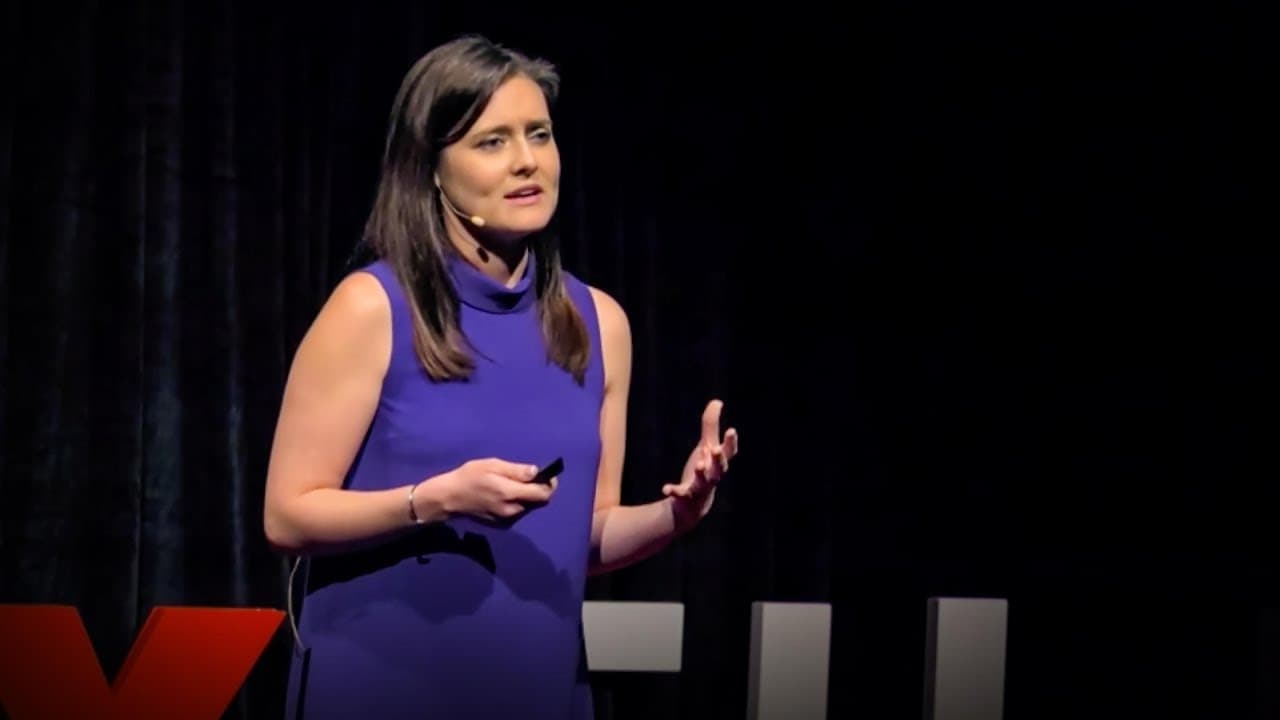
Why teens confess to crimes they didn't commit | Lindsay Malloy
TL;DR
In this talk, the speaker, a forensic developmental psychologist, discusses the vulnerability of teenagers in the legal system and the alarming rates of false confessions among them.
Transcript
Tyler Edmonds, Bobby Johnson, Davontae Sanford, Marty Tankleff, Jeffrey Deskovic, Anthony Caravella and Travis Hayes. You probably don't recognize their faces. Together, they served 89 years for murders that they didn't commit; murders that they falsely confessed to committing when they were teenagers. I'm a forensic developmental psychologist, and... Read More
Key Insights
- 🤔 False confessions can lead to wrongful convictions, with approximately 25% of wrongful convictions resulting from false confessions or admissions, based on DNA evidence.
- ⚖️ Juveniles are more vulnerable to false confessions, with 42% of juveniles falsely confessing compared to only 8% of adults.
- 💔 Police interrogation techniques, such as lying, threats, and manipulation, increase the risk of false confessions, especially among vulnerable teenagers.
- 🚫 Many juvenile suspects are interrogated without the presence of a parent or lawyer, with only 7% of incarcerated teens having a parent or attorney present during questioning.
- 🧠 Adolescent brains are still developing and differ from adult brains, affecting decision-making, self-control, and sensitivity to reward and risk, making them more susceptible to coercion during interrogations.
- 📚 Police officers lack specialized training in how to communicate with children and adolescents, with 75% of officers expressing a need for such training.
- 👥 Having an appropriate adult, such as an attorney or trained child advocate, present during interrogations can help protect juveniles and ensure their rights are upheld.
- ✅ Steps can be taken to improve police training, educate legal professionals, and implement safeguards to prevent wrongful convictions while still obtaining vital information to solve crimes.
Install to Summarize YouTube Videos and Get Transcripts
Explore YouTube Video Summarizer or Get YouTube Transcript Extractor
Questions & Answers
Q: Who are Tyler Edmonds, Bobby Johnson, Davontae Sanford, Marty Tankleff, Jeffrey Deskovic, Anthony Caravella, and Travis Hayes?
Tyler Edmonds, Bobby Johnson, Davontae Sanford, Marty Tankleff, Jeffrey Deskovic, Anthony Caravella, and Travis Hayes are individuals who served a combined total of 89 years in prison for murders they did not commit. They falsely confessed to committing these murders when they were teenagers.
Q: Who conducted the four-hour interrogation of Brendan Dassey?
The police conducted the four-hour interrogation of Brendan Dassey.
Q: What techniques did the police use to obtain a confession from Brendan Dassey?
The police used techniques such as telling Brendan that honesty would "set him free," implying leniency, making him feel like denial was pointless, and suggesting that confessing was the only option.
Q: How many incarcerated teenagers admitted to making false confessions in a study conducted by Lindsay Malloy?
According to Lindsay Malloy's research, 17 percent of incarcerated teenagers reported making at least one false confession to the police.
Q: Are parents or attorneys typically present during police interrogations of juveniles in the US?
No, in the US, parents or attorneys are typically not present during police interrogations of juveniles.
Summary & Key Takeaways
-
Seven individuals were falsely convicted and served a total of 89 years in prison for murders they did not commit, all of which they falsely confessed to as teenagers.
-
Brendan Dassey, a teenager with an intellectual disability, gave a false confession during a four-hour interrogation and was later convicted of murder and sexual assault with no physical evidence against him.
-
Studies show that juveniles are more vulnerable to giving false confessions due to their susceptibility to social influence, their focus on immediate rewards, and their lack of understanding of their legal rights. The legal system should provide better protections and training for interrogating youth.
Read in Other Languages (beta)
Share This Summary 📚
Summarize YouTube Videos and Get Video Transcripts with 1-Click
Try YouTube Summary with ChatGPT & Claude or YouTube Transcript Generator
Explore More Summaries from TED 📚




Summarize YouTube Videos and Get Video Transcripts with 1-Click
Try YouTube Summary with ChatGPT & Claude or YouTube Transcript Generator