4 Animals That Don’t Have Resident Gut Microbiomes
TL;DR
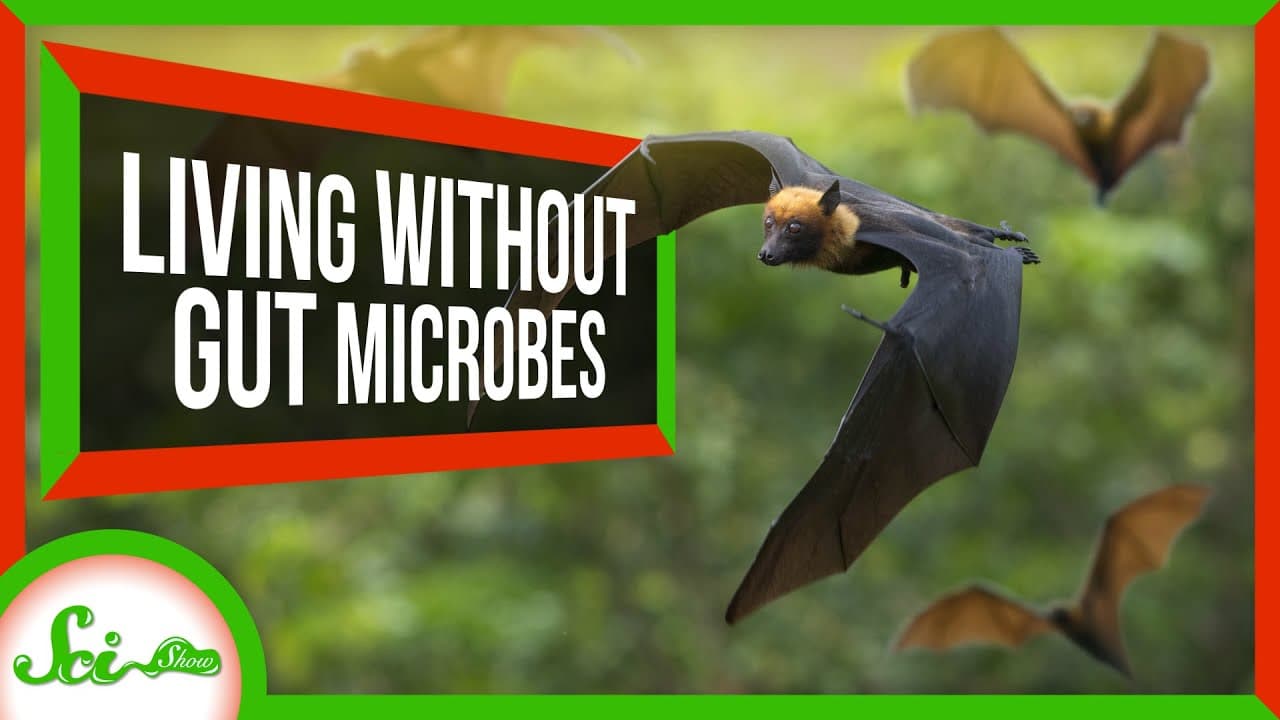
Some animals, like bats, caterpillars, ants, and stick insects, have evolved to not rely on gut microbes for digestion due to flight, efficient digestion, or other physiological changes.
Transcript
we hear all the time about how we couldn't live without our microbiomes those trillions of symbiotic microorganisms that live on and inside of us we're especially fond of our gut microbes for example because they allow us to digest some of the complex molecules in our foods and changing up what's living in our intestines can have a big impact on ou... Read More
Key Insights
- 💋 Animals like bats, caterpillars, ants, and stick insects have evolved to not rely on gut microbes for digestion.
- 😋 Flight, efficient digestion, abundant food sources, or physiological changes can lead animals to ditch gut microbes.
- 💋 Horizontal gene transfer can provide animals like stick insects with genes for efficient digestion without gut microbes.
- 🤰 Ants may have ditched gut microbes due to the cost of maintaining microbial partners or fastidiousness.
- 👻 Stick insects have acquired genes for digestion through horizontal gene transfer, allowing them to efficiently digest plant material without gut microbes.
- 🦧 Careful consideration is needed when assuming animals do not have gut microbes, as advancements in technology may reveal otherwise.
- 🦧 Researchers should be cautious about claiming negatives regarding the presence of gut microbes in different species.
Install to Summarize YouTube Videos and Get Transcripts
Explore YouTube Video Summarizer or Get YouTube Transcript Extractor
Questions & Answers
Q: Why do bats have a minimal presence of gut microbes?
Bats have fast digestion to aid in flight, preventing the weight of resident microbes, and possibly due to physiological changes to accommodate flight, leading them to not rely on gut microbes.
Q: What is unique about caterpillars' digestive systems in terms of gut microbes?
Caterpillars have highly basic guts that deter microbial colonization, allowing them to efficiently digest plant material without the need for resident gut microbes.
Q: What are the potential reasons for ants not relying on gut microbes for digestion?
Ants living in environments with abundant food sources may have ditched gut microbes to avoid the cost of maintaining microbial partners, or due to fastidiousness and the production of antibiotics to prevent microbial growth.
Q: How did stick insects acquire genes for efficient digestion without gut microbes?
Stick insects acquired genes through horizontal gene transfer, allowing them to create enzymes for efficient digestion of plant material without the need for resident gut microbes.
Summary & Key Takeaways
-
Bats, caterpillars, ants, and stick insects have evolved to not rely on gut microbes for digestion.
-
Bats have fast digestion due to flight requirements, while caterpillars have highly basic guts that deter microbial colonization.
-
Ants may have ditched gut microbes due to abundant food sources or fastidiousness, and stick insects acquired genes for efficient digestion through horizontal gene transfer.
Read in Other Languages (beta)
Share This Summary 📚
Summarize YouTube Videos and Get Video Transcripts with 1-Click
Try YouTube Summary with ChatGPT & Claude or YouTube Transcript Generator
Explore More Summaries from SciShow 📚


Summarize YouTube Videos and Get Video Transcripts with 1-Click
Try YouTube Summary with ChatGPT & Claude or YouTube Transcript Generator