Is Barefoot Running the Key to Better Form?
TL;DR
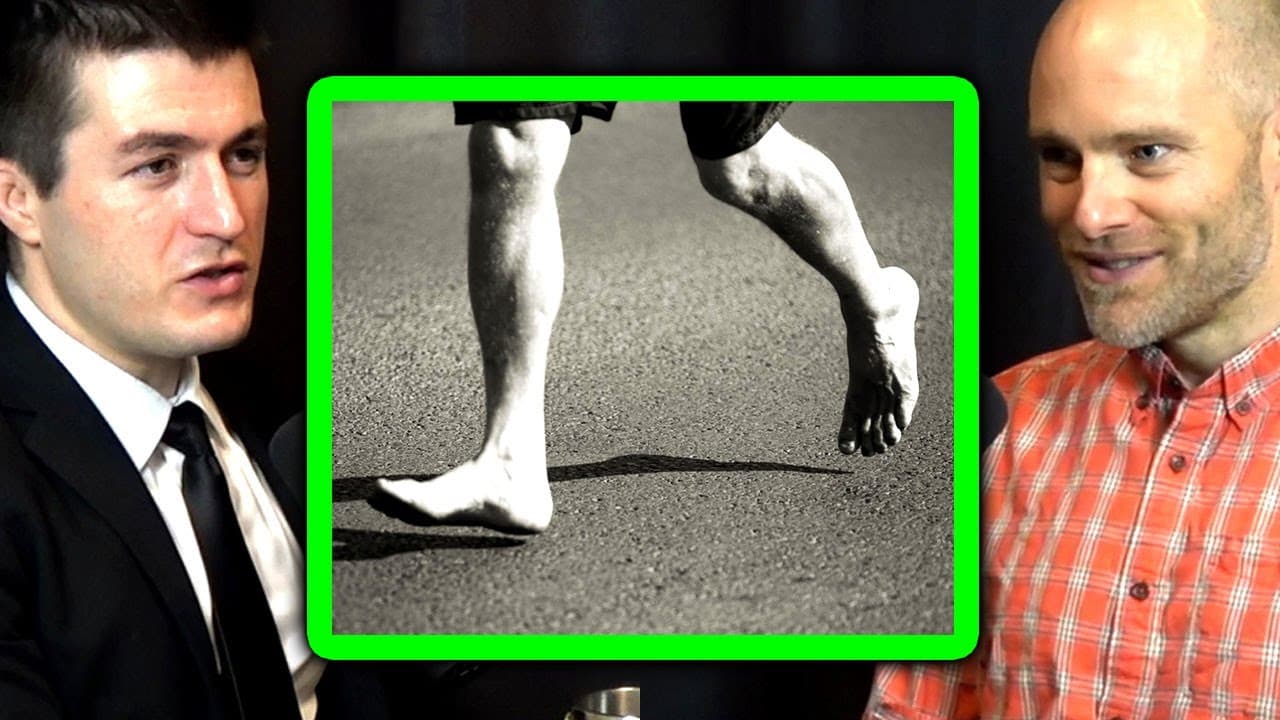
Barefoot running enhances running form by providing immediate feedback, which helps prevent injuries from improper gait. Transitioning should be gradual, starting with minimal shoes to allow feet to adjust and strengthen. This approach not only improves efficiency but also promotes a lifelong running practice.
Transcript
so you famously run barefoot oh do you still run barefoot i still run barefoot that's so awesome much to my wife's chagrin do you want to make an evolutionary argument for running barefoot is advantageous um what have you learned about human and robot movement in general from running barefoot human or robot and or well you know it happened the othe... Read More
Key Insights
- 🏃 Running barefoot offers immediate feedback on running form, reducing the risk of injuries caused by improper gait.
- 👻 Transitioning to barefoot running should be done gradually to allow the feet to adjust.
- 💪 Barefoot running can increase proprioception and strengthen foot muscles.
- 🏃 Certain books like "Barefoot Ken Bob" can provide valuable guidance for those interested in barefoot running.
- 🏃 Running barefoot can improve overall running efficiency and help in maintaining a long-term running routine.
- 🏃 The speaker emphasizes the importance of finding a balance between work and personal life, which running provides.
- 🤔 They value the simplicity and meditative aspect of running and use it as a way to think and decompress.
Install to Summarize YouTube Videos and Get Transcripts
Explore YouTube Video Summarizer or Get YouTube Transcript Extractor
Questions & Answers
Q: How does running barefoot provide immediate feedback on running form?
Running barefoot allows you to feel how your foot strikes the ground, making you more aware of any flaws in your gait. This feedback helps you adjust your running form in real-time and reduce the risk of injuries.
Q: Are there any tips for beginners interested in trying barefoot running?
It is crucial to start slowly and gradually increase mileage. Beginners should consider using minimal shoes or running sandals to protect their soles while still experiencing the benefits of barefoot running. Reading books like "Barefoot Ken Bob" can also provide helpful guidance.
Q: What are the differences in feeling between running with minimal shoes and running barefoot?
When running with minimal shoes, you might notice changes in your gait since your feet have more proprioception. However, running barefoot provides the highest level of proprioception and allows you to fully experience the natural movement of your feet.
Q: How does running barefoot benefit long-term health?
Running barefoot encourages better running form, reducing the impact on your joints and preventing long-term injuries. It provides immediate feedback, allowing you to make necessary adjustments to protect yourself and maintain running for a longer duration.
Summary & Key Takeaways
-
The speaker initially studied walking robots and attended conferences on biomechanics and running. They eventually learned about barefoot running and realized the benefits of correct running form.
-
Running barefoot improved the speaker's gait and helped them avoid common running injuries associated with poor form.
-
The speaker recommends starting with minimal shoes or gradually transitioning to barefoot running to give the feet time to adjust.
Read in Other Languages (beta)
Share This Summary 📚
Summarize YouTube Videos and Get Video Transcripts with 1-Click
Try YouTube Summary with ChatGPT & Claude or YouTube Transcript Generator
Explore More Summaries from Lex Clips 📚



Summarize YouTube Videos and Get Video Transcripts with 1-Click
Try YouTube Summary with ChatGPT & Claude or YouTube Transcript Generator