The Most Confusing Question in Television History – Russia Edition
TL;DR
Pedestrians react humorously to nonsensical news questions, revealing their ignorance of current events.
Transcript
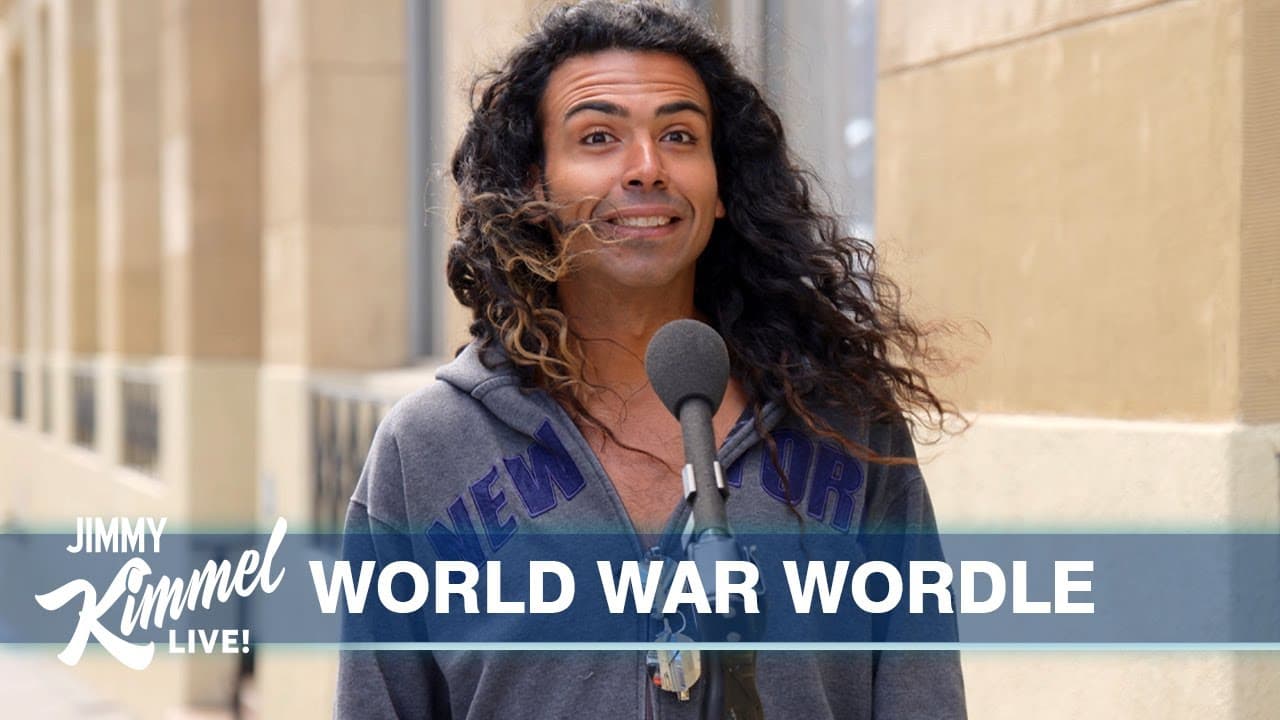
twitter was full of people last night whose sole mission was to yell at other people for tweeting about anything other than the war but the truth is most people sadly don't follow the news so we uh mashed a bunch of different subjects from the news together into one long and nonsensical question today when out in the street we ask pedestrians do yo... Read More
Key Insights
- 🎁 The absurd combination of topics reflects how media can sometimes present confusing narratives.
- 🛀 Many respondents demonstrated a preference for familiar topics, showing how entertainment often dominates public discourse.
- 🖤 The general lack of knowledge about the posed question illustrates a broader trend of disengagement with current events among the public.
- 🔉 Humorous content can effectively highlight serious issues, prompting reflection on media consumption habits.
- 😨 The interaction style reveals how societal norms around discussing politics can be influenced by fear of sounding uninformed or uneducated.
- ❓ Respondents' humorous detours indicate a cultural aversion to uncomfortable discussions about serious matters.
- 🌐 The satire underscores the disparity between critical global issues and everyday public understanding.
Install to Summarize YouTube Videos and Get Transcripts
Explore YouTube Video Summarizer or Get YouTube Transcript Extractor
Questions & Answers
Q: Why did the interviewer choose such a convoluted question?
The interviewer likely aimed to satirize the often convoluted discourse surrounding current events by presenting a nonsensical question that combines unrelated topics. This approach serves to highlight the lack of understanding or engagement many people have with serious news, all while emphasizing the absurdity of some media discussions.
Q: How did the pedestrians react to the question?
Reactions from pedestrians varied, with most expressing confusion and a lack of clear understanding of the topics mentioned. Some admitted ignorance about Russia's actions or blockchain technology, and others humorously diverted the conversation towards pop culture, illustrating a disconnect between weighty news and their interests.
Q: What underlying message does the content convey about news consumption?
The content underscores that many people are not well-informed about global events, often prioritizing entertainment news over serious issues. This indicates a potential gap in media literacy and highlights a societal tendency to shy away from discussing complex geopolitical matters in favor of lighter topics.
Q: What role does humor play in this type of content?
Humor serves as a critical tool for engaging viewers and making heavy topics accessible. By framing serious questions in an absurd context, the content encourages audience reflection on their understanding of news while also providing entertainment, thereby balancing education with satire.
Summary & Key Takeaways
-
The content features interactions with pedestrians who were posed an absurd and convoluted question about international politics, technology, and culture, focusing on Russia, NATO, and NFTs.
-
Most respondents express confusion or lack of knowledge about the topics referenced, highlighting a general disinterest or unfamiliarity with serious news events amidst entertaining distractions.
-
The absurdity of the question led to humorous and unexpected responses, demonstrating how satire can expose the disconnect between complex global issues and public awareness.
Read in Other Languages (beta)
Share This Summary 📚
Summarize YouTube Videos and Get Video Transcripts with 1-Click
Try YouTube Summary with ChatGPT & Claude or YouTube Transcript Generator
Explore More Summaries from Jimmy Kimmel Live 📚


Summarize YouTube Videos and Get Video Transcripts with 1-Click
Try YouTube Summary with ChatGPT & Claude or YouTube Transcript Generator