Where Your Waste Actually Goes When You Flush
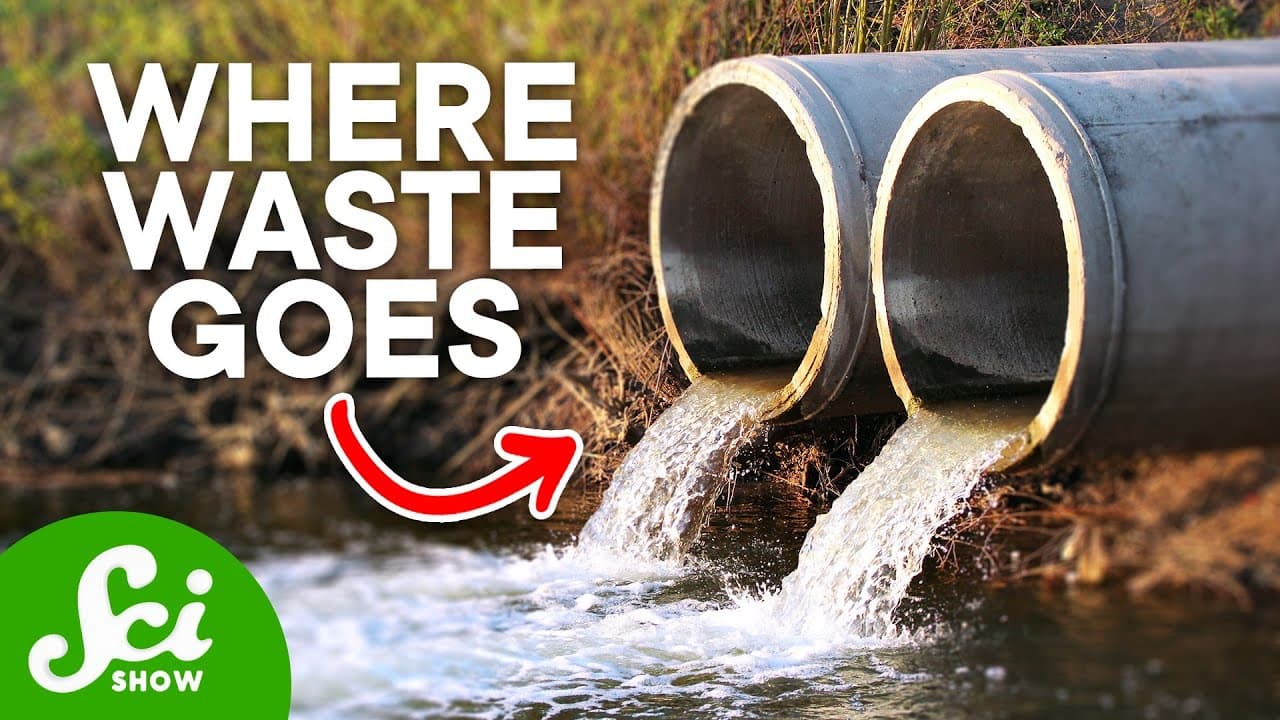
TL;DR
From The Big Stink to modern sewage treatment, understanding the dangers and treatment processes of human waste.
Transcript
The year is 1858. The city is London. An oppressive heat wave is scorching the city’s two-and-a-half million residents, and the Thames River, where for centuries Londoners have disposed of their waste, begins to stink. BAD, like really bad. Water levels drop as raw sewage bakes in the sun, casting a fetid smell so powerful that it’s said to strike ... Read More
Key Insights
- 😥 The Big Stink in London marked a turning point towards modern sewage treatment.
- 🗑️ Human waste contains harmful pathogens like E. Coli and viruses, necessitating proper treatment.
- ❓ Wastewater treatment involves multiple stages like screening, aeration, and disinfection.
- 🌱 Anaerobic digestion in septic tanks and aerobic digestion in treatment plants break down waste.
- ❓ Biosolids from wastewater treatment are often used as fertilizer or compost.
- 🙂 Chlorine or ultraviolet light is used for disinfecting water in treatment plants.
- 💦 Tertiary treatment processes further purify water through physical or biological means.
Install to Summarize YouTube Videos and Get Transcripts
Explore YouTube Video Summarizer or Get YouTube Transcript Extractor
Questions & Answers
Q: What was The Big Stink in London in 1858?
The Big Stink was caused by untreated sewage in the Thames River during a heatwave, leading to the realization of the need for modern sewage treatment.
Q: Why is human waste harmful, and what pathogens can it contain?
Human waste contains pathogens like E. Coli, salmonella, and viruses that can cause diseases like cholera, typhoid, and hepatitis, harmful to both humans and the environment.
Q: What are the processes involved in wastewater treatment?
Wastewater treatment involves physical processes like screening and settling, biological processes like aeration and digestion, and disinfection processes using chlorine or ultraviolet light.
Q: How is the leftover sludge from wastewater treatment utilized?
The leftover sludge, known as biosolids, is often used as fertilizer for agriculture or in compost mixtures, promoting a sustainable and eco-friendly approach to waste management.
Summary & Key Takeaways
-
In 1858 London faced The Big Stink due to untreated sewage in the Thames River, leading to modern sewage treatment.
-
Human waste contains pathogens like E. Coli, salmonella, and viruses harmful to humans and the environment.
-
Wastewater treatment involves physical, biological, and disinfection processes to ensure safe water supply.
Read in Other Languages (beta)
Share This Summary 📚
Summarize YouTube Videos and Get Video Transcripts with 1-Click
Try YouTube Summary with ChatGPT & Claude or YouTube Transcript Generator
Explore More Summaries from SciShow 📚


Summarize YouTube Videos and Get Video Transcripts with 1-Click
Try YouTube Summary with ChatGPT & Claude or YouTube Transcript Generator