This is a low point in the history of Parliament: political scientist
TL;DR
The narrative surrounding Canada's residential schools is largely based on misinformation and media hype.
Transcript
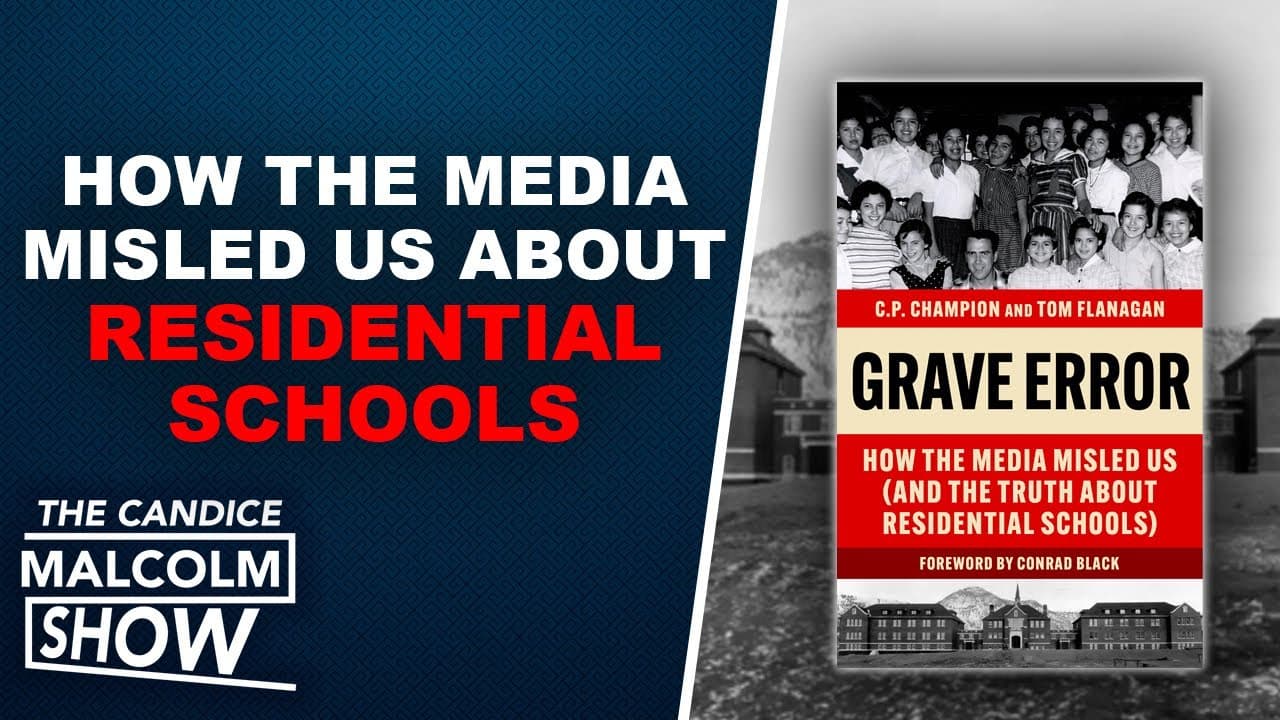
many Canadians believe utter falsehoods about Canada's recent history and specifically the federal government's residential school program today I speak to author and Professor Dr Tom Flanigan about his new book grave error how the media misled us and the truth about residential schools I'm Candace malcol and this is the Candace Malcolm show hi eve... Read More
Key Insights
- 👨🏫 The narrative surrounding Canada's residential schools has been heavily influenced by sensationalist media and moral panic, rather than factual evidence.
- 👶 Claims of widespread child deaths and genocide linked to residential schools have been contested by numerous academics, including Dr. Flanigan, who seek to correct the misconceptions.
- 👨🏫 Historical context matters when discussing residential schools, as their operation and conditions varied significantly over the decades they existed.
- 🥺 The impulse to respond to social injustices can lead to unchecked narratives, impacting the way history is recorded and taught.
- 🔉 The media's response to the Kamloops discovery reflected a broader trend of emphasizing emotionally charged stories at the expense of factual accuracy.
- 🍝 The critical examination of past wrongs is crucial, but it should be grounded in evidence rather than assumptions or politically motivated agendas.
- 🥺 Many individuals within journalism and academia face professional risks when challenging dominant narratives, leading to a climate of fear and self-censorship.
Install to Summarize YouTube Videos and Get Transcripts
Explore YouTube Video Summarizer or Get YouTube Transcript Extractor
Questions & Answers
Q: What was the primary accusation made against Canada's residential schools following the Kamloops discovery in 2021?
The primary accusation was the discovery of human remains in unmarked graves, which the media portrayed as evidence of a horrific genocidal campaign against Indigenous children. However, many argue that these claims lacked proper evidence and were sensationalized without thorough investigation.
Q: How does Dr. Flanigan view the term "genocide" in relation to the residential school system?
Dr. Flanigan contends that labeling the residential school system as genocidal is an oversimplification. He stresses that while there were abuses within the system, it doesn't equate to the systematic extermination of a population, which the term 'genocide' implies.
Q: What role did the legacy media play in shaping public perception of residential schools?
The legacy media is accused of crafting a narrative that exaggerated or fabricated claims about residential schools, contributing to misinformation, public outrage, and a moral panic that stifled open dialogue about the historical facts.
Q: Why does Flanigan believe the media lacked rigor in reporting on residential schools?
Flanigan argues that a combination of moral panic, political correctness, and the rush to respond to social justice movements led the media to adopt sensationalist narratives without critically examining the evidence or presenting alternative viewpoints.
Q: What does Dr. Flanigan aim to achieve with his book "Grave Error"?
Dr. Flanigan aims to provide a comprehensive critique of mainstream narratives regarding residential schools, offering well-researched insights backed by evidence to challenge widespread misconceptions and encourage informed discussions.
Q: How do government reports on residential schools reflect biases, according to Flanigan?
Flanigan points out that governmental and media reports often reflect a singular narrative that disregards conflicting evidence. He expresses concern over the lack of scientific rigor and balanced perspectives in these discussions, potentially compromising public understanding.
Summary & Key Takeaways
-
Dr. Tom Flanigan discusses the inaccurate portrayal of Canada's residential school system, arguing that many established narratives about mass graves and child deaths lack factual evidence.
-
The legacy media has been accused of perpetuating harmful myths and creating a moral panic around the residential schools, especially following the discoveries in Kamloops in 2021.
-
Flanigan's book, "Grave Error," aims to debunk false claims and present a more nuanced perspective on the history of residential schools and their impact on Indigenous communities.
Read in Other Languages (beta)
Share This Summary 📚
Summarize YouTube Videos and Get Video Transcripts with 1-Click
Try YouTube Summary with ChatGPT & Claude or YouTube Transcript Generator
Explore More Summaries from True North 📚


Summarize YouTube Videos and Get Video Transcripts with 1-Click
Try YouTube Summary with ChatGPT & Claude or YouTube Transcript Generator