Products
Features
YouTube Video Summarizer
Summarize YouTube videos
Web & PDF Highlighter
Highlight web pages & PDFs
Chat with PDF
Ask any PDF questions with AI
Ask AI Clone
Chat with your highlights & memories
Audio Transcriber
Transcribe audio files to text
Glasp Reader
Read and highlight articles
Kindle Highlight Export
Export your Kindle highlights
Idea Hatch
Hatch ideas from your highlights
Integrations
Obsidian Plugin
Notion Integration
Pocket Integration
Instapaper Integration
Medium Integration
Readwise Integration
Snipd Integration
Hypothesis Integration
Apps & Extensions
Chrome Extension
Safari Extension
Edge Add-ons
Firefox Add-ons
iOS App
Android App
Discover
Discover
Ideas
Discover new ideas and insights
Articles
Curated articles and insights
Books
Book recommendations by great minds
Posts
Essays and notes from readers
Quotes
Inspiring quotes collection
Videos
Curated videos and summaries
Explore Glasp
Glasp Newsletter
Weekly insights and updates
Glasp Talk
Interview series with great minds
Glasp Blog
Latest news and articles
Glasp Use Cases
Learn how others use Glasp
Build & Support
Glasp API
Access Glasp's API for developers
MCP Connector
Connect Glasp to Claude & ChatGPT
Community
Glasp Reddit Community
Students
Student discount and benefits
FAQs
Frequently Asked Questions
AboutPricing
DashboardLog inSign up

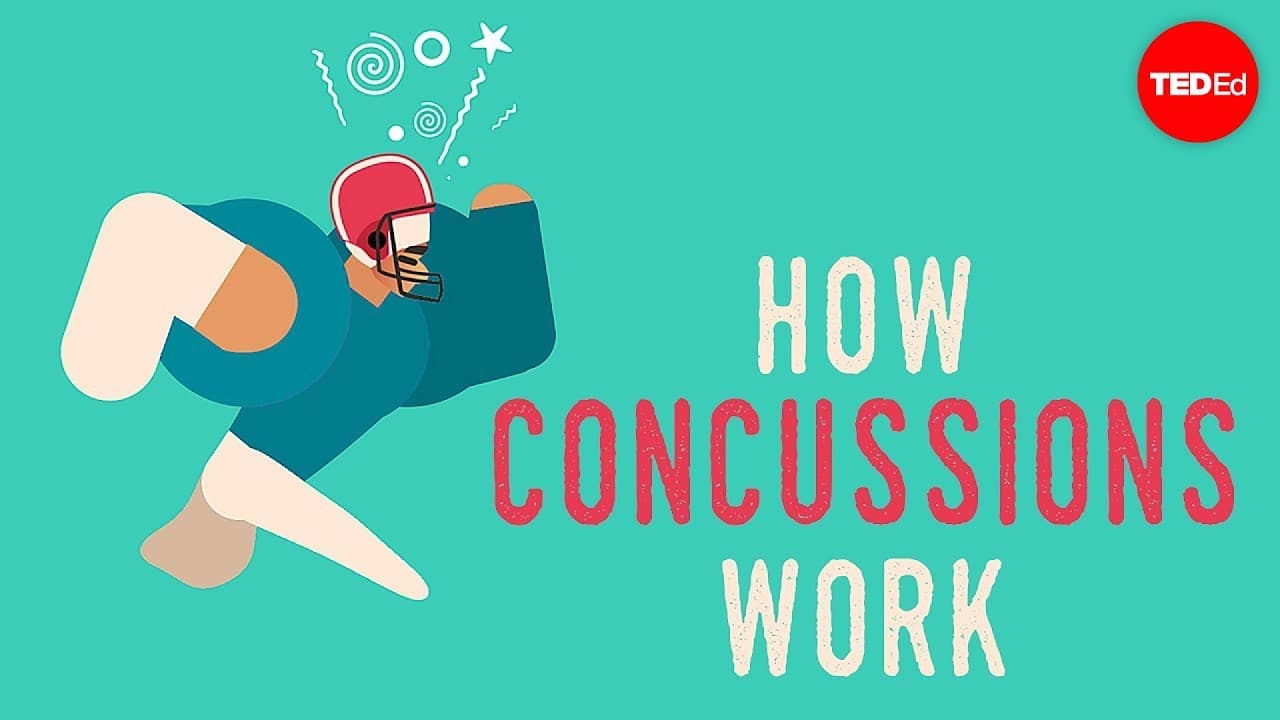
What happens when you have a concussion? - Clifford Robbins
2.2M views
•
July 27, 2017
by
TED-Ed
YouTube video player
What happens when you have a concussion? - Clifford Robbins

TL;DR

Concussions can cause long-term damage, leading to degenerative brain diseases.

Transcript

Each year in the United States, players of sports and recreational activities receive between 2.5 and 4 million concussions. How dangerous are all those concussions? The answer is complicated, and lies in how the brain responds when something strikes it. The brain is made of soft fatty tissue, with a consistency something like jello. Inside its p... Read More

Key Insights

  • 💀 Concussions result from the brain shifting and bumping against the skull, causing neuron damage.
  • ⚖️ Symptoms of concussions vary but can include memory problems, mood changes, and balance issues.
  • 🥺 Subconcussive impacts can lead to long-term brain damage, contributing to conditions like CTE.
  • 🖐️ Tau proteins play a role in neurodegenerative diseases like CTE by disrupting neuron communication.
  • 😣 Rest and gradual return to activity are crucial for concussion recovery.
  • 😪 Misconceptions about concussions, such as not sleeping after one, can hinder proper care.
  • ⚽ Soccer players repeatedly heading balls can experience measurable brain damage over time.

Install to Summarize YouTube Videos and Get Transcripts

Explore YouTube Video Summarizer or Get YouTube Transcript Extractor

Questions & Answers

Q: What is a concussion, and how does it affect the brain?

A concussion occurs when the brain shifts and bumps against the skull, leading to neuron damage. Symptoms can range from headaches to memory problems.

Q: What are the potential long-term effects of concussions?

Long-term effects can include Chronic Traumatic Encephalopathy (CTE), a degenerative brain disease that causes changes in mood, memory problems, and even dementia.

Q: How do subconcussive impacts contribute to brain damage?

Subconcussive impacts, even with no immediate symptoms, can lead to degenerative brain diseases over time. These impacts cause damage to neurons and axon bundles, affecting cognitive function.

Q: Why are concussions often left untreated or unreported?

Concussions often go unreported due to pressure to continue playing and difficulty in recognizing symptoms. This can delay recovery and lead to further damage to the brain.

Summary & Key Takeaways

  • Concussions occur when the brain shifts and bumps against the skull due to a sudden impact, leading to neuron damage.

  • Symptoms of concussions can include blackout, blurry vision, mood changes, memory problems, and anxiety.

  • Subconcussive impacts, even without noticeable symptoms, can cause long-term damage and lead to conditions like Chronic Traumatic Encephalopathy (CTE).


Read in Other Languages (beta)

English

Share This Summary 📚

Summarize YouTube Videos and Get Video Transcripts with 1-Click

Download browser extensions on:

Try YouTube Summary with ChatGPT & Claude or YouTube Transcript Generator

Explore More Summaries from TED-Ed 📚
What Causes Hiccups and Why Do They Occur? thumbnail
What Causes Hiccups and Why Do They Occur?
TED-Ed
How quantum mechanics explains global warming - Lieven Scheire thumbnail
How quantum mechanics explains global warming - Lieven Scheire
TED-Ed
Why are sloths so slow? - Kenny Coogan thumbnail
Why are sloths so slow? - Kenny Coogan
TED-Ed
A brief history of alcohol - Rod Phillips thumbnail
A brief history of alcohol - Rod Phillips
TED-Ed
Why do animals have such different lifespans? - Joao Pedro de Magalhaes thumbnail
Why do animals have such different lifespans? - Joao Pedro de Magalhaes
TED-Ed
Can you solve the fantasy election riddle? - Dennis E. Shasha thumbnail
Can you solve the fantasy election riddle? - Dennis E. Shasha
TED-Ed

Summarize YouTube Videos and Get Video Transcripts with 1-Click

Download browser extensions on:

Try YouTube Summary with ChatGPT & Claude or YouTube Transcript Generator

Apps & Extensions

  • Chrome Extension
  • Safari Extension
  • Edge Add-ons
  • Firefox Add-ons
  • iOS App
  • Android App

Key Features

  • YouTube Video Summarizer
  • Web & PDF Summarizer
  • Web & PDF Highlighter
  • Chat with PDF
  • Ask AI Clone
  • Audio Transcriber
  • Glasp Reader
  • Kindle Highlight Export
  • Idea Hatch

Integrations

  • Obsidian Plugin
  • Notion Integration
  • Pocket Integration
  • Instapaper Integration
  • Medium Integration
  • Readwise Integration
  • Snipd Integration
  • Hypothesis Integration

More Features

  • APIs
  • MCP Connector
  • Blog & Post
  • Embed Links
  • Image Highlight
  • Personality Test
  • Quote Shots

Company

  • About us
  • Blog
  • Community
  • FAQs
  • Job Board
  • Newsletter
  • Pricing
Terms

•

Privacy

•

Guidelines

© 2026 Glasp Inc. All rights reserved.