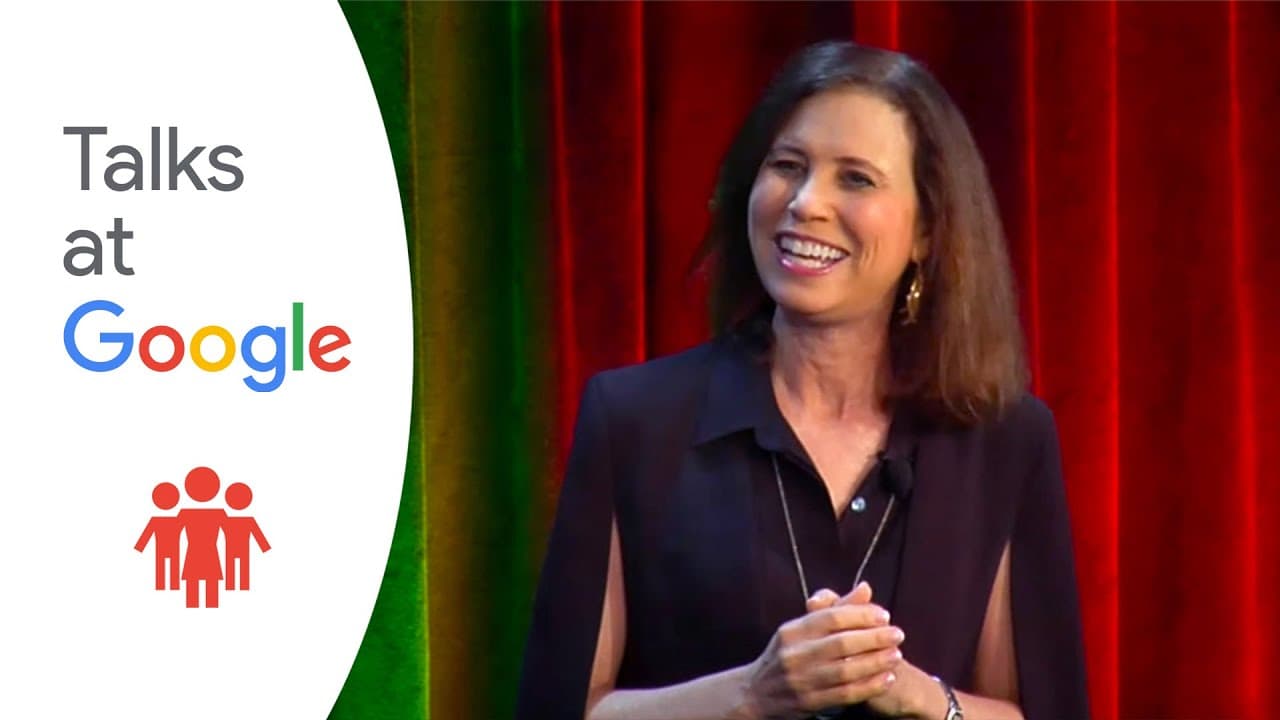
The Media & Political Coverage | Joanne Lipman | Talks at Google
TL;DR
Media coverage of elections is influenced by gender bias, impacting how candidates are perceived and covered.
Transcript
[MUSIC PLAYING] ALAN: I want to introduce our guest today, Joanne Lipman. She's one of the nation's leading journalists and author of the number one bestseller, "That's What She Said, What Men and Women Need to Know About Working Together." Most recently, she was chief content officer of Gannett and editor-in-chief of both "USA Today" and the USA T... Read More
Key Insights
- 🔉 Media biases influence election coverage, impacting public perception of candidates.
- 🥺 Diversity in leadership roles can lead to more inclusive and accurate media coverage.
- 🔉 Conscious efforts to address gender bias are crucial in improving media representation.
- ℹ️ Quality information and diverse sources are essential for promoting fair and balanced news reporting.
- 🖐️ Individual actions and conversations play a role in challenging gender bias in media coverage.
- 🧔♀️ Unconscious biases in the news industry contribute to skewed narratives and underrepresentation of women in leadership.
- 🔉 Striving for balanced and inclusive media coverage is essential for promoting diversity and combating bias.
Install to Summarize YouTube Videos and Get Transcripts
Explore YouTube Video Summarizer or Get YouTube Transcript Extractor
Questions & Answers
Q: How did media perception of the 2016 elections highlight biases in coverage?
Media wrongly assumed Clinton's victory, exposing biases against female candidates and the need for more accurate reporting.
Q: How can the news industry improve coverage of female candidates in the upcoming elections?
Encouraging diversity in leadership roles, promoting quality sources, and diversifying sources to mitigate biases in media coverage.
Q: What impact does unconscious bias have on media coverage and the portrayal of women in leadership?
Unconscious biases contribute to a lack of female leadership and skewed coverage, perpetuating stereotypes and hindering accurate reporting.
Q: How can individuals address gender bias in media coverage in everyday conversations and interactions?
By raising awareness of biases, promoting diverse voices, and encouraging respectful dialogue, individuals can contribute to a more inclusive media landscape.
Summary & Key Takeaways
-
Joanne Lipman discusses the media's coverage of the elections and the impact of gender on the perception of candidates.
-
She highlights the discrepancies in media sentiment towards male and female candidates, reflecting inherent biases.
-
Lipman emphasizes the importance of diversifying sources, leadership roles, and promoting quality information in media coverage.
Read in Other Languages (beta)
Share This Summary 📚
Summarize YouTube Videos and Get Video Transcripts with 1-Click
Try YouTube Summary with ChatGPT & Claude or YouTube Transcript Generator
Explore More Summaries from Talks at Google 📚
Summarize YouTube Videos and Get Video Transcripts with 1-Click
Try YouTube Summary with ChatGPT & Claude or YouTube Transcript Generator