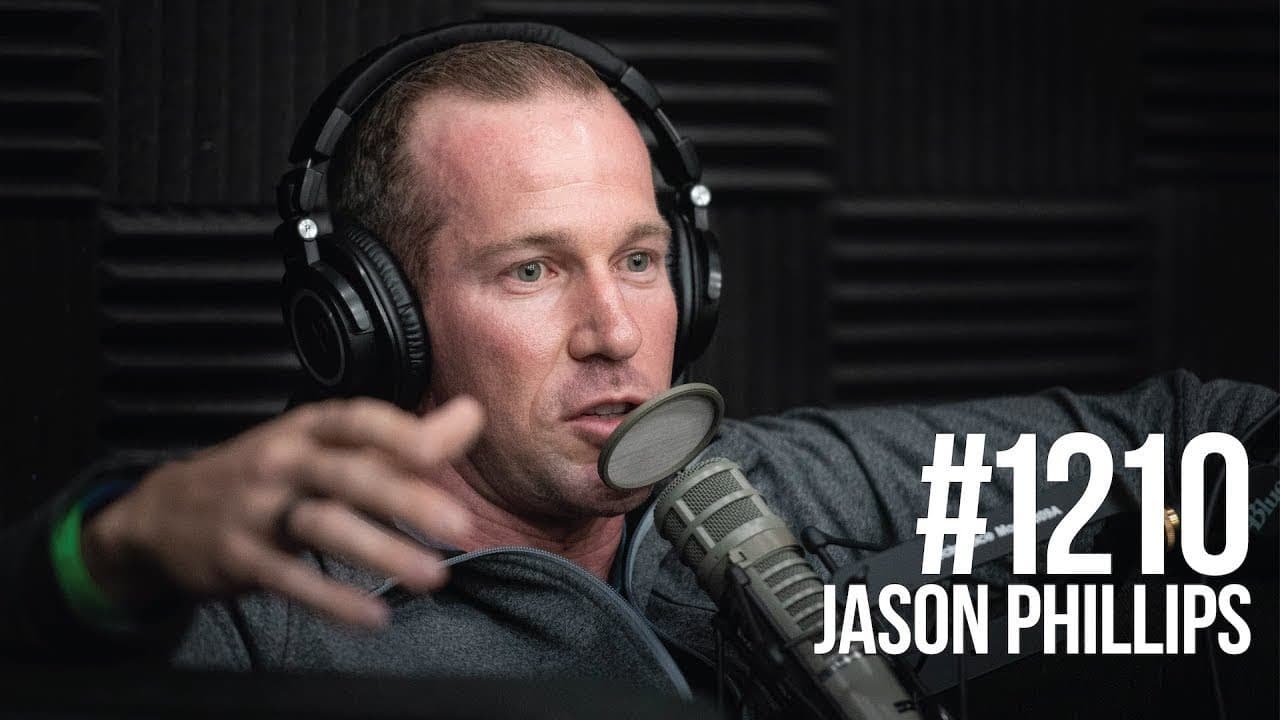
Top Nutrition Coach Shows You How to EAT TO LOSE FAT & Build Muscle | Jason Phillips on Mind Pump
TL;DR
Jason Phillips discusses nutrition strategies for fat loss and muscle gain.
Transcript
in this episode of mine pump we wanted to talk all about nutrition in regards to fat loss muscle building nutrition for performance and athletes and so we brought on our good friend Jason Phillips he's actually one of our favorite people to talk about when it comes to nutrition and macros he's the founder of the nutritional coaching Institute this ... Read More
Key Insights
- Jason Phillips emphasizes the importance of understanding both the science and application of nutrition for effective coaching.
- Achieving simultaneous fat loss and muscle gain is challenging and generally only possible for beginners or with new training stimuli.
- The physical state of the body follows physiological health; thus, focusing on biofeedback like sleep and mood is crucial.
- Reverse dieting and recovery diets are debated methods for coming out of a calorie deficit, each with pros and cons.
- The efficacy of low-carb versus low-fat diets depends on individual stress levels and lifestyle factors.
- Athletes may require different nutritional strategies, such as high molecular weight carbs for CNS recovery post-workout.
- High protein intake is generally beneficial for muscle preservation and satiety, but individual needs may vary.
- Understanding the psychological and behavioral aspects of dieting is essential for long-term success.
Install to Summarize YouTube Videos and Get Transcripts
Explore YouTube Video Summarizer or Get YouTube Transcript Extractor
Questions & Answers
Q: Is it possible to lose fat and gain muscle at the same time?
Jason Phillips explains that while it is a common goal, achieving simultaneous fat loss and muscle gain is generally challenging. It is more likely in beginners or individuals experiencing a new training stimulus. For most, focusing on one goal at a time is more effective.
Q: What should be prioritized: fat loss or muscle gain?
Phillips suggests that individuals should focus on achieving a healthy body fat percentage (8-12%) before attempting to build muscle. This approach ensures that the body is in an optimal state for muscle growth and reduces health risks associated with higher body fat levels.
Q: How does stress affect diet effectiveness?
High stress levels can impact diet effectiveness by increasing the body's need for carbohydrates to manage cortisol levels. Phillips notes that individuals with high stress may benefit from a higher carbohydrate diet to support energy levels and reduce cortisol.
Q: What are the benefits and drawbacks of cheat meals?
Cheat meals can provide a psychological break from dieting, but they can also lead to binge-eating behaviors if not managed properly. Phillips emphasizes the importance of understanding the underlying reasons for craving cheat meals and adjusting the overall diet plan accordingly.
Q: What is the role of protein in fat loss and muscle gain?
High protein intake is crucial for preserving muscle mass during fat loss and supporting muscle growth during bulking. It also helps with satiety, reducing hunger during dieting. However, individual protein needs can vary based on factors like gut health and dietary preferences.
Q: How can reverse and recovery diets help after a calorie deficit?
Reverse dieting involves gradually increasing calorie intake to restore metabolic function, while recovery diets add a significant amount of calories quickly to address hormonal imbalances. The choice between them depends on the individual's mental state and metabolic adaptation.
Q: What carbohydrate sources are ideal for athletes?
Phillips recommends whole food sources like sweet potatoes and white rice for athletes, as they provide sustained energy. During intense training periods, athletes may benefit from fast-digesting carbs like highly branched cyclic dextrin to support CNS recovery.
Q: Why is understanding client behavior important in nutrition coaching?
Successful nutrition coaching requires understanding clients' lifestyles, stress levels, and behaviors. This knowledge allows coaches to create personalized nutrition plans that are more likely to be adhered to and effective in achieving long-term health and fitness goals.
Summary & Key Takeaways
-
Jason Phillips discusses the complexities of nutrition for fat loss and muscle gain, emphasizing the need for a balanced approach that considers both physiological and psychological factors. He highlights the importance of biofeedback and personalized strategies.
-
The conversation covers the challenges of simultaneous fat loss and muscle gain, the debate between reverse and recovery diets, and the role of cheat meals. Phillips also discusses the importance of high protein intake and the impact of stress on diet effectiveness.
-
Phillips shares insights on working with athletes, noting the need for tailored carbohydrate sources and the value of red meat for strength. He stresses the importance of understanding clients' lifestyles and behaviors to create effective nutrition plans.
Read in Other Languages (beta)
Share This Summary 📚
Summarize YouTube Videos and Get Video Transcripts with 1-Click
Try YouTube Summary with ChatGPT & Claude or YouTube Transcript Generator
Explore More Summaries from Mind Pump Show 📚
Summarize YouTube Videos and Get Video Transcripts with 1-Click
Try YouTube Summary with ChatGPT & Claude or YouTube Transcript Generator