What Is Synaesthesia and How Does It Affect Perception?
TL;DR
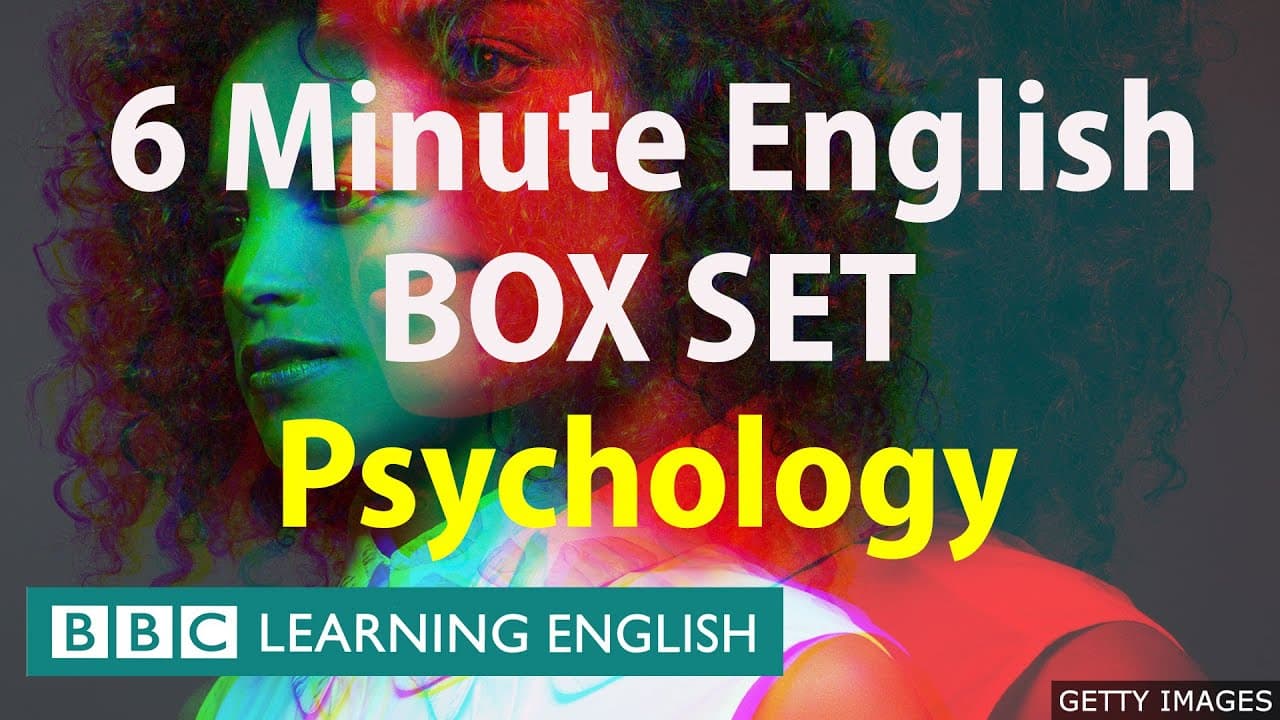
Synaesthesia is a neurological condition where individuals experience a blending of senses, such as tasting words or hearing colors. It's estimated to affect around 4% of the population and has genetic links. This condition offers unique sensory experiences and is gaining increased attention in research.
Transcript
Hello. This is 6 Minute English from BBC Learning English. I'm Neil. And I'm Sam. Many people have favourites - a favourite colour, a favourite flavour, a favourite word. What's yours, Neil? Hmm, my favourite colour is green, my favourite flavour is sweet-and-sour, and, well, I don't know if it's my favourite, but there is a word I really lik... Read More
Key Insights
- Synaesthesia is a neurological condition where senses mix, allowing some to taste words, offering unique sensory experiences.
- Virtual reality (VR) is being used to treat phobias and offer new perspectives, showing potential in therapeutic settings.
- Colors influence mood and behavior, with different wavelengths affecting our brain's response and emotional state.
- Optimism and pessimism are influenced by age and cultural background, affecting how individuals perceive life's challenges.
- Kindness provides a 'warm glow' feeling, benefiting both the giver and receiver, and is increasingly studied in psychology.
- Compassion in politics can lead to fairer societies, although it is sometimes dismissed as impractical.
- Random acts of kindness, such as smiling or listening, have significant positive impacts on social interactions.
- Synaesthesia research is expanding, revealing genetic links and offering insights into how senses can be interconnected.
Install to Summarize YouTube Videos and Get Transcripts
Explore YouTube Video Summarizer or Get YouTube Transcript Extractor
Questions & Answers
Q: What is synaesthesia and how does it affect people?
Synaesthesia is a neurological condition where two or more senses mix together, allowing individuals to experience unique sensory combinations, such as tasting words or hearing colors. This condition is genetically linked, often running in families, and provides a more vivid and colorful perception of the world for those affected.
Q: How is virtual reality being used to treat phobias?
Virtual reality is used to treat phobias by creating realistic simulations that allow individuals to confront their fears in a controlled, safe environment. For example, VR can simulate heights to help those with acrophobia gradually become accustomed to being in high places, thereby reducing their fear through repeated exposure and practice.
Q: How do colors affect our emotions and behaviors?
Colors affect our emotions and behaviors by influencing the brain's response to different wavelengths of light. For example, certain colors can evoke feelings of calmness or energy, depending on their intensity and hue. This understanding is applied in various fields, such as interior design and marketing, to create environments or products that elicit desired emotional responses.
Q: What factors influence whether a person is optimistic or pessimistic?
Factors influencing optimism or pessimism include age and cultural background. Younger people tend to be more optimistic due to having their whole lives ahead, while optimism decreases in middle age due to life pressures. Cultural attitudes also play a role, with some cultures encouraging more optimistic outlooks than others, as seen in the differences between Americans and Germans.
Q: What is the psychological benefit of kindness?
Kindness provides psychological benefits by creating a 'warm glow' feeling, a sense of happiness and satisfaction from helping others. This positive emotion is similar to the pleasure derived from other enjoyable activities, and it benefits both the giver and receiver, promoting social bonding and personal well-being.
Q: Can kindness be applied in business and politics?
Kindness can be applied in business and politics through compassionate leadership, which leads to more inclusive and cooperative outcomes. Despite being sometimes dismissed as impractical, compassion requires courage and can result in fairer societies, lower crime rates, and improved health and well-being.
Q: What are some examples of random acts of kindness?
Examples of random acts of kindness include giving someone a smile, a hug, or your time to listen. These small gestures can have significant positive impacts on social interactions, spreading happiness and strengthening connections between individuals, even in brief encounters.
Q: What research is being conducted on synaesthesia?
Research on synaesthesia is expanding, focusing on its genetic basis and the neurological mechanisms behind sense mixing. Studies aim to understand why some individuals experience these sensory overlaps while most do not, offering insights into the brain's processing of sensory information and the potential for new sensory experiences.
Summary & Key Takeaways
-
The BBC explores synaesthesia, a condition where senses mix, allowing individuals to experience unique sensory combinations like tasting words. This condition is genetically linked and offers new perspectives on sensory experiences.
-
Virtual reality is being used to help treat phobias by creating immersive experiences that allow individuals to confront fears safely, showing the therapeutic potential of VR in psychological treatments.
-
The impact of color on mood and behavior is significant, with different wavelengths affecting our brain's responses. This understanding is used in design and therapy to influence emotional well-being.
Read in Other Languages (beta)
Share This Summary 📚
Summarize YouTube Videos and Get Video Transcripts with 1-Click
Try YouTube Summary with ChatGPT & Claude or YouTube Transcript Generator
Explore More Summaries from BBC Learning English 📚
Summarize YouTube Videos and Get Video Transcripts with 1-Click
Try YouTube Summary with ChatGPT & Claude or YouTube Transcript Generator