How Do Rainbows Form? Refraction, Dispersion, and Why the Sky Is Darker Above
TL;DR
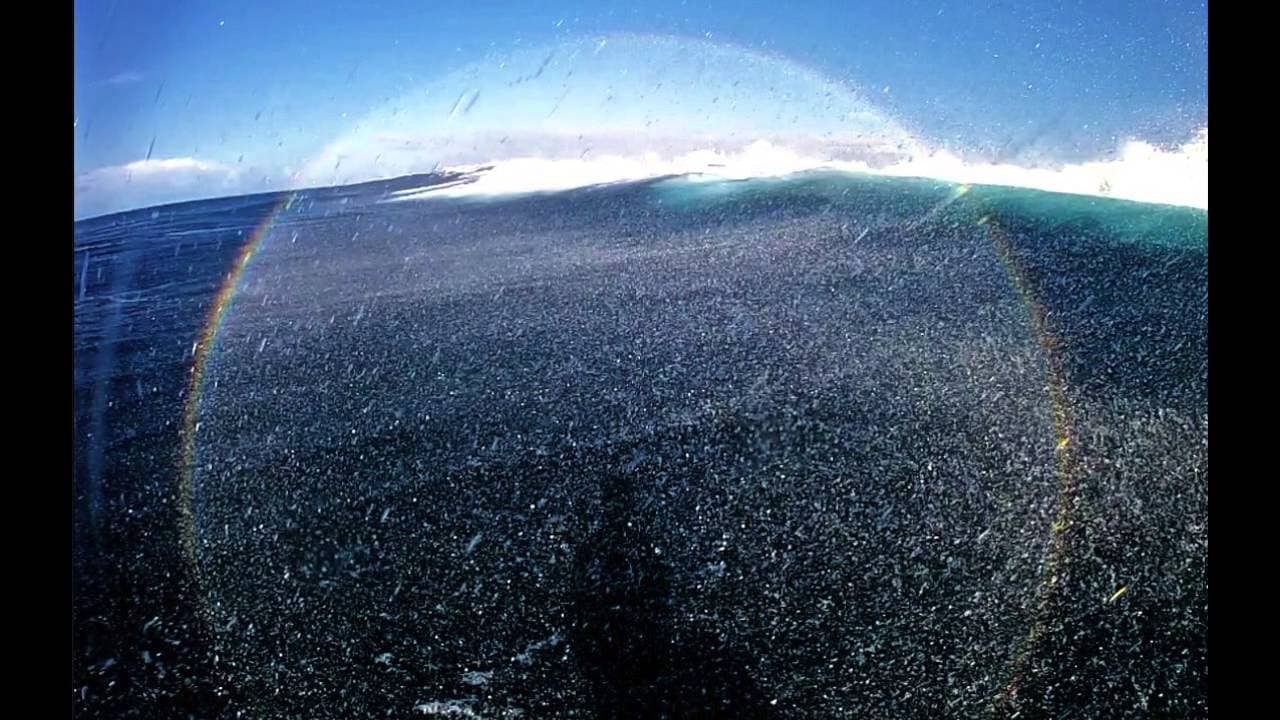
Rainbows form because light refracts (bends) as it passes from air into a water droplet, and each color slows and bends by a different amount, spreading white light into a spectrum through dispersion. Light typically exits at about 42 degrees between the incoming and outgoing beam, and each color reaches its maximum brightness at its own maximum angle (42 degrees for red, 40 for violet). Read on to learn why the sky looks darker above a rainbow than below.
Transcript
Surely you've seen a rainbow. Maybe you were chasing tornadoes and happened upon one. But did you ever notice that the sky is darker above a rainbow than below? I never did until someone pointed it out. We're going to find out why this is so with the help of refraction of light, dispersion, and the incomplete story you're usually told about why rai... Read More
Key Insights
- 🙂 Rainbows form due to the bending of light through refraction and the separation of colors through dispersion.
- 🌈 The brightness of each color at its maximum angle determines its appearance in the rainbow.
- 🙂 The sky appears darker above a rainbow because none of the light can make it out above the red color.
Install to Summarize YouTube Videos and Get Transcripts
Explore YouTube Video Summarizer or Get YouTube Transcript Extractor
Questions & Answers
Q: Why is the sky darker above a rainbow than below?
None of the light can make it out above the red color, so the sky above the rainbow appears darker. Below the violet color, all the colors mix again and re-form white light, which is why the sky appears lighter below the rainbow.
Q: How do refraction and dispersion create the colors in a rainbow?
Refraction is the bending of light as it moves from one medium, like air, into another, like water, at an angle. Because the speed of light in water depends on color, each color bends by a different amount, spreading white light into a spectrum. This separation is called dispersion.
Q: Why does violet light bend more than red light?
Violet light moves slower in water than red light, so it bends more as it enters the droplet. That is why the colors separate, with violet refracting more inside the water droplet than red.
Q: What is the maximum angle of a rainbow?
Light typically exits at about 42 degrees between the incoming light and the outgoing light. No matter where red light enters the droplet, it cannot go past a maximum angle of 42 degrees; the maximum is slightly less for orange and yellow, down to 40 degrees for violet.
Q: Why does each color of the rainbow look so distinct instead of blending into white?
At its maximum angle, each color also reaches its maximum brightness, so it stands out against the others. Even though all colors can reach around violet's maximum angle, violet is at its own maximum brightness there and dominates. Below the maximums, no color is at a peak, so the colors mix back into white.
Q: Why do we see red higher in the sky than violet if violet bends more?
A given droplet only sends one color to your eye. A droplet higher up sends red light to you while its violet light passes above your head, and lower droplets send their violet light down to you. So red appears to come from higher in the sky and violet from lower.
Q: Why is there a second rainbow with the colors flipped?
The second rainbow comes from light that reflects twice inside the droplet instead of once. To reach the right angle to your eye, that light enters the droplet from below the midpoint, producing a double reflection that flips the color order and leaves the sky lighter above it.
Q: Why would a rainbow be a full circle?
The refract-reflect-refract path can occur in a whole circle of droplets, so if the ground weren't in the way, a rainbow would appear as a full circle rather than an arc.
Summary & Key Takeaways
-
Rainbows are formed through refraction, which is the bending of light as it moves from one medium to another, such as from air to water.
-
When light enters water, it slows down and different colors bend at different angles due to different speeds.
-
This dispersion of white light creates a spectrum of colors. The brightness of each color at its maximum angle determines the appearance of a rainbow.
Read in Other Languages (beta)
Share This Summary 📚
Summarize YouTube Videos and Get Video Transcripts with 1-Click
Try YouTube Summary with ChatGPT & Claude or YouTube Transcript Generator
Explore More Summaries from Physics Girl 📚

Summarize YouTube Videos and Get Video Transcripts with 1-Click
Try YouTube Summary with ChatGPT & Claude or YouTube Transcript Generator