The connectome: Reverse-engineering the brain’s wiring | H. Sebastian Seung
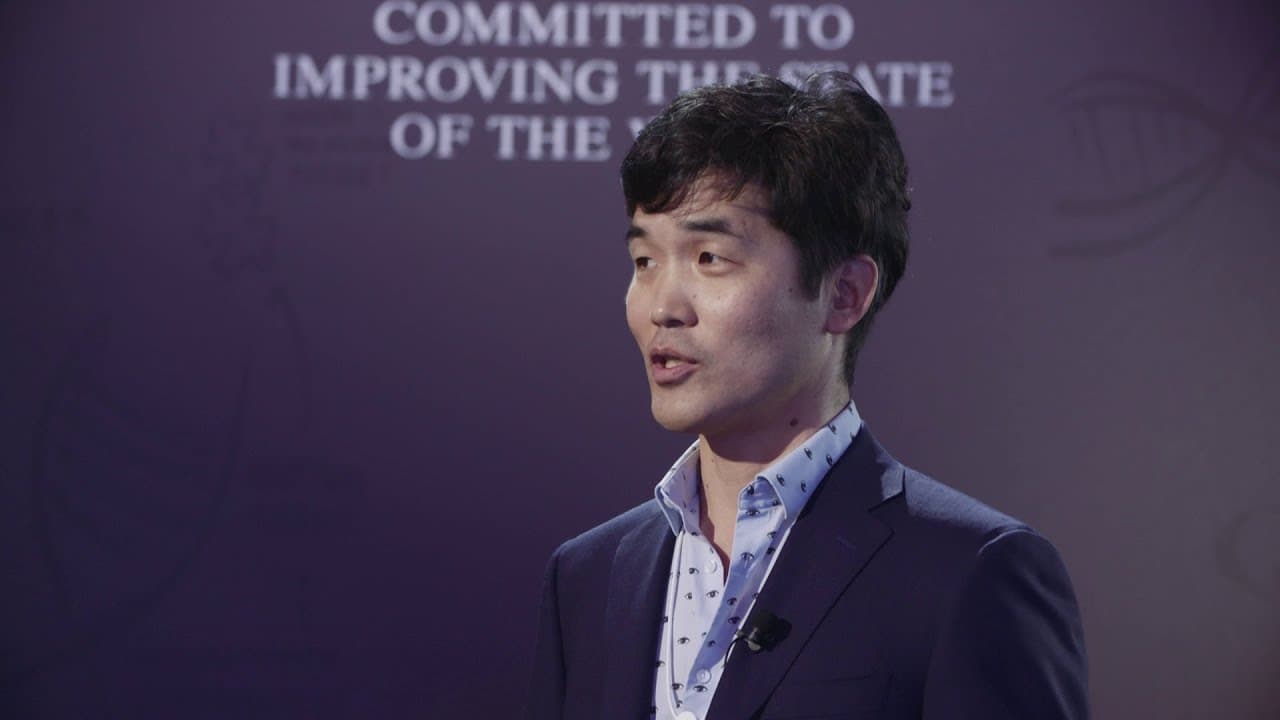
TL;DR
Artificial intelligence is revolutionizing neuroscience by enabling the visualization and understanding of intricate brain structures.
Transcript
everyone is talking about the deep learning revolution everyone is saying that artificial intelligence will transform our society but I'd like to add one more thought AI is transforming the way that we do science it's often said that seeing is believing and sometimes science is just the simple act of seeing something incredible through his telescop... Read More
Key Insights
- 🦻 AI automates the visualization of intricate brain structures, aiding in neuroscience research.
- 🧠 The connectome mapping of the brain reveals how genes and experiences shape intelligence and memory.
- ❓ Neuroscientists study the neocortex to understand the neural basis of human intelligence.
- 🧠 The complexity of the brain presents challenges in understanding its inner workings.
- 🧠 AI is essential in processing massive amounts of data to decipher the brain's secrets.
- 🤯 Mapping the connectome may lead to simulating the human mind in the future.
- 🏑 The relationship between AI and neuroscience is reciprocal, advancing both fields.
Install to Summarize YouTube Videos and Get Transcripts
Explore YouTube Video Summarizer or Get YouTube Transcript Extractor
Questions & Answers
Q: How is AI transforming the field of neuroscience?
AI is crucial in visualizing and understanding the intricate structures of the brain that are too complex for humans to comprehend, leading to a deeper understanding of neural connections and brain function.
Q: What is the significance of mapping the connectome of the brain?
Mapping the connectome can provide insights into how genes and experiences shape our intelligence, and how memories are stored and altered through neural connections.
Q: How does the neocortex play a role in human intelligence?
Neuroscientists believe that the neocortex contains the secrets of human intelligence, and by studying its connectome, we hope to understand the neural basis of intelligence and memory storage.
Q: How does AI contribute to the acceleration of understanding the brain?
AI is used to analyze vast amounts of data from automated microscopes, enabling us to understand complex brain structures and potentially simulate the mind in the future.
Summary & Key Takeaways
-
AI is transforming how science is done by providing automated tools to visualize complex structures like the brain.
-
By magnifying brain structures 100,000 times, AI can reveal the intricate details of neurons and synapses.
-
The ultimate goal is to map the connectome of the brain, understanding how genes and experiences shape our intelligence.
Read in Other Languages (beta)
Share This Summary 📚
Summarize YouTube Videos and Get Video Transcripts with 1-Click
Try YouTube Summary with ChatGPT & Claude or YouTube Transcript Generator
Explore More Summaries from World Economic Forum 📚

Summarize YouTube Videos and Get Video Transcripts with 1-Click
Try YouTube Summary with ChatGPT & Claude or YouTube Transcript Generator