Blacks Britannica: Diversity in Medieval and Early Modern England
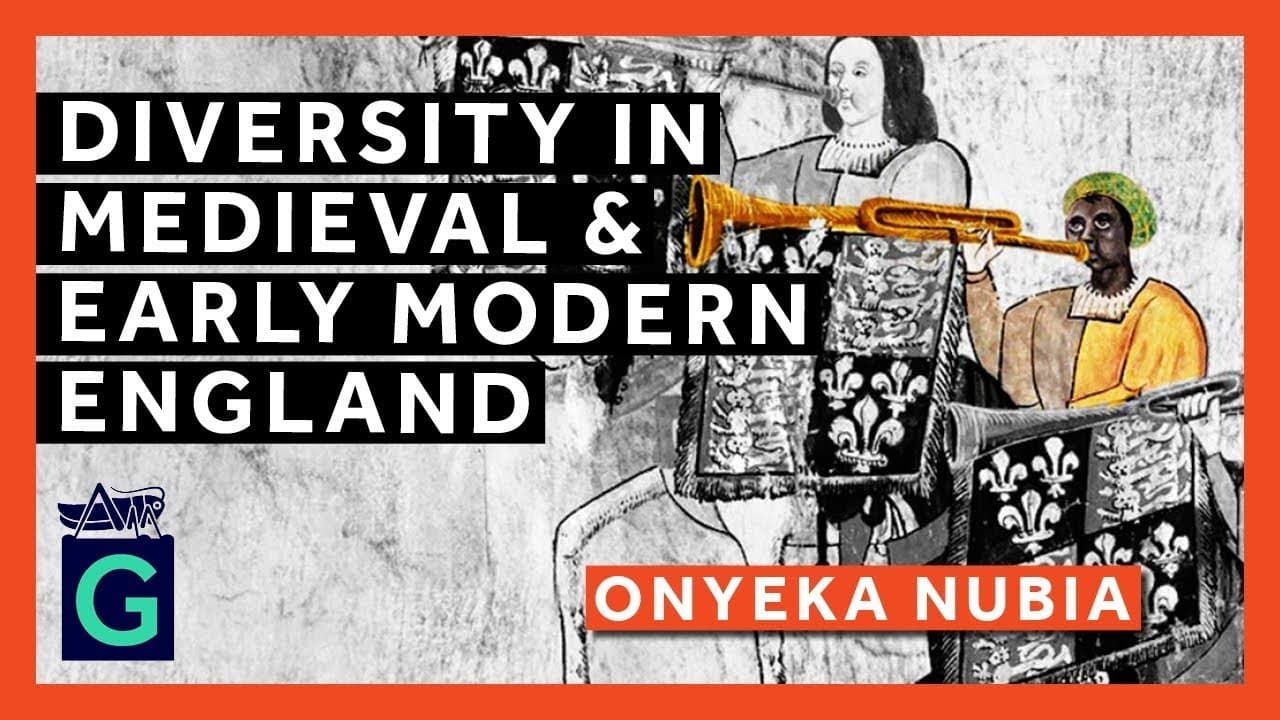
TL;DR
Reexamine Medieval history to uncover diverse narratives and challenge mono-ethnic perspectives.
Transcript
- [Dr. Nubia] I'd like us to begin by trying to overcome our ideas, and see history for what it is. I think this is the key point. So, so much of what we understand about history, or our ideas about history. Aren't just bound up in the evidence of that history, but also in our emotions. We form an emotional attachment to moments in history, to narr... Read More
Key Insights
- 💠 Emotional biases shape historical narratives, influencing interpretations of evidence.
- 🫵 Postcolonial perspectives can challenge traditional views of racism in history.
- 🔄 Evidence of Africans in Medieval England counters assumptions of absence or exclusion.
- 🌍 The diversity of historical narratives highlights the complexity of identities in Medieval and Early Modern Europe.
- 👨🔬 Recognizing the influence of biases and perspectives in historical research is crucial for a nuanced understanding of the past.
- 🧐 Interactions between diverse populations in Medieval Europe challenge mono-ethnic views of history.
- 🐎 The complexity of historical narratives extends beyond simplistic interpretations of race and ethnicity.
Install to Summarize YouTube Videos and Get Transcripts
Explore YouTube Video Summarizer or Get YouTube Transcript Extractor
Questions & Answers
Q: How does emotional attachment influence historical narratives?
Emotional biases lead to the formation of inaccurate historical narratives, where evidence is distorted or overlooked to fit preconceived notions.
Q: What role does postcolonial perspective play in shaping views of racism in history?
Postcolonial perspectives have influenced the belief that racism in Europe originated in Early Modern periods, challenging traditional views of historical prejudice.
Q: How have historical biases influenced the interpretation of Africans in Medieval England?
Historians have often portrayed people of African descent in medieval contexts as automatically enslaved, overlooking their diverse roles and presence in society.
Q: Why is it important to challenge mono-ethnic views of history?
By reevaluating mono-ethnic perspectives, a more accurate and nuanced understanding of history can be achieved, revealing the complexity of historical narratives and identities.
Summary & Key Takeaways
-
Dr. Nubia challenges mono-ethnic views of history, urging a critical reevaluation of emotional biases towards historical narratives.
-
Postcolonial perspectives influence perceptions of racism in Early Modern and Medieval Europe.
-
Evidence of Africans in Medieval England counters assumptions of automatic enslavement or exclusion.
Read in Other Languages (beta)
Share This Summary 📚
Summarize YouTube Videos and Get Video Transcripts with 1-Click
Try YouTube Summary with ChatGPT & Claude or YouTube Transcript Generator
Explore More Summaries from Gresham College 📚


Summarize YouTube Videos and Get Video Transcripts with 1-Click
Try YouTube Summary with ChatGPT & Claude or YouTube Transcript Generator