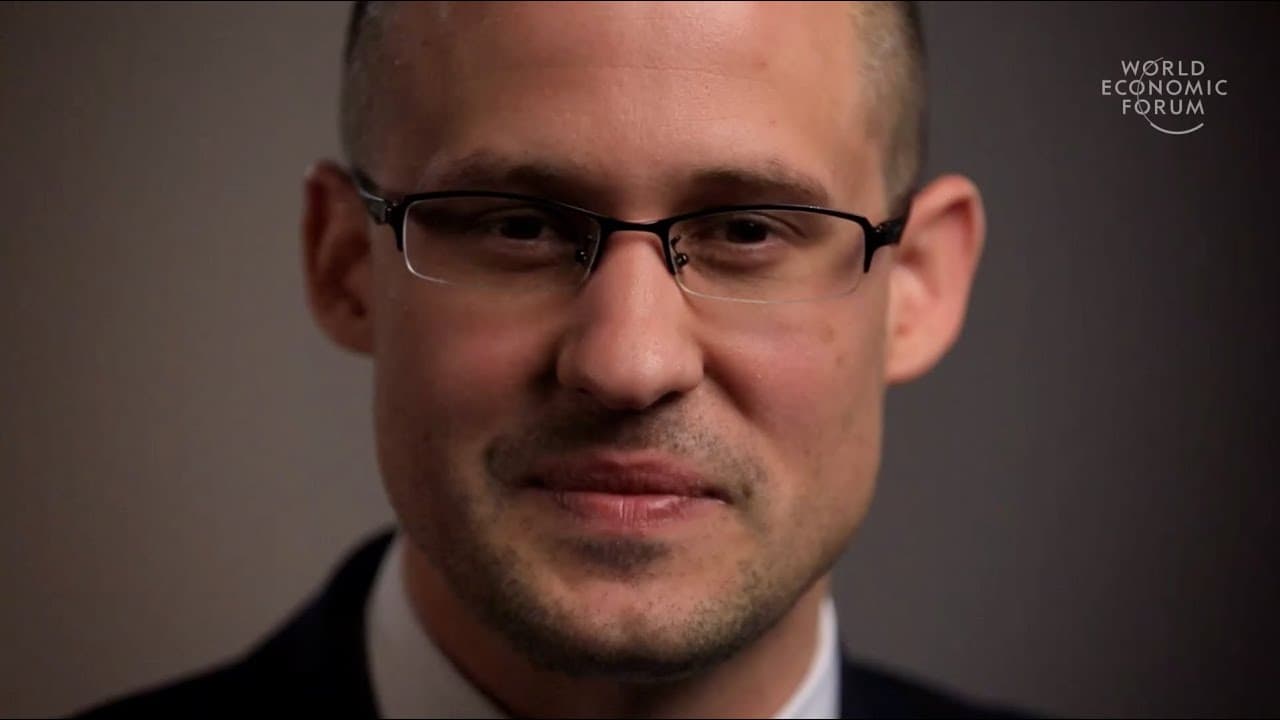
Presidential Briefing | Jonathan Hursh | The Future of Cities
TL;DR
Migrant slums pose challenges in cities; inclusion benefits all.
Transcript
hi my name is Jonathan Hirsch I'm the founder and executive director of included a nonprofit organization and I'm here to talk with you today about the future of cities one in six people in the world today live in a migrant slum within a few decades that number will grow to one and three I think right now the migrant slums in Latin America are doub... Read More
Key Insights
- 😀 Migrants move to cities for better opportunities but face challenges in accessing basic services.
- 🦔 Informal living on the edges of cities hinders migrants' upward mobility and integration.
- 💨 Cities need to view migrants as assets and find ways to include them in urban development.
- 🥺 Exclusion of migrants may lead to social unrest and missed economic opportunities.
- 🤩 Inclusive policies and recognition of migrants' contributions are key to sustainable urban development.
- 🏙️ Governments need to find effective, humane solutions for integrating migrants into cities.
- ❓ Collaboration between governments, organizations, and communities is essential for addressing migrant inclusion.
Install to Summarize YouTube Videos and Get Transcripts
Explore YouTube Video Summarizer or Get YouTube Transcript Extractor
Questions & Answers
Q: Why do migrants move to cities?
Migrants move to cities seeking better opportunities and a higher quality of life than in their rural villages, often driven by the desire for access to modern amenities and services.
Q: What challenges do migrants face in cities?
Migrants face challenges in accessing formal healthcare, education, housing, and employment due to their outsider status, leading to informal living conditions on the edges of cities with long-term repercussions.
Q: How can cities include migrants effectively?
Cities can include migrants by recognizing them as assets, providing access to social benefits, education, and healthcare, and rewarding their contributions to city growth and diversity.
Q: What are the potential outcomes of excluding migrants from cities?
Excluding migrants from cities may lead to disenfranchisement, youth unrest, and missed opportunities for economic growth and diversity, emphasizing the importance of inclusive urban policies.
Summary & Key Takeaways
-
Migrants move to cities for better opportunities but face challenges in accessing basic services like healthcare and education.
-
Informal living on the edges of cities leads to long-term issues and lack of upward mobility.
-
Cities need to find ways to include migrants as assets for growth and diversity.
Read in Other Languages (beta)
Share This Summary 📚
Summarize YouTube Videos and Get Video Transcripts with 1-Click
Try YouTube Summary with ChatGPT & Claude or YouTube Transcript Generator
Explore More Summaries from World Economic Forum 📚

Summarize YouTube Videos and Get Video Transcripts with 1-Click
Try YouTube Summary with ChatGPT & Claude or YouTube Transcript Generator