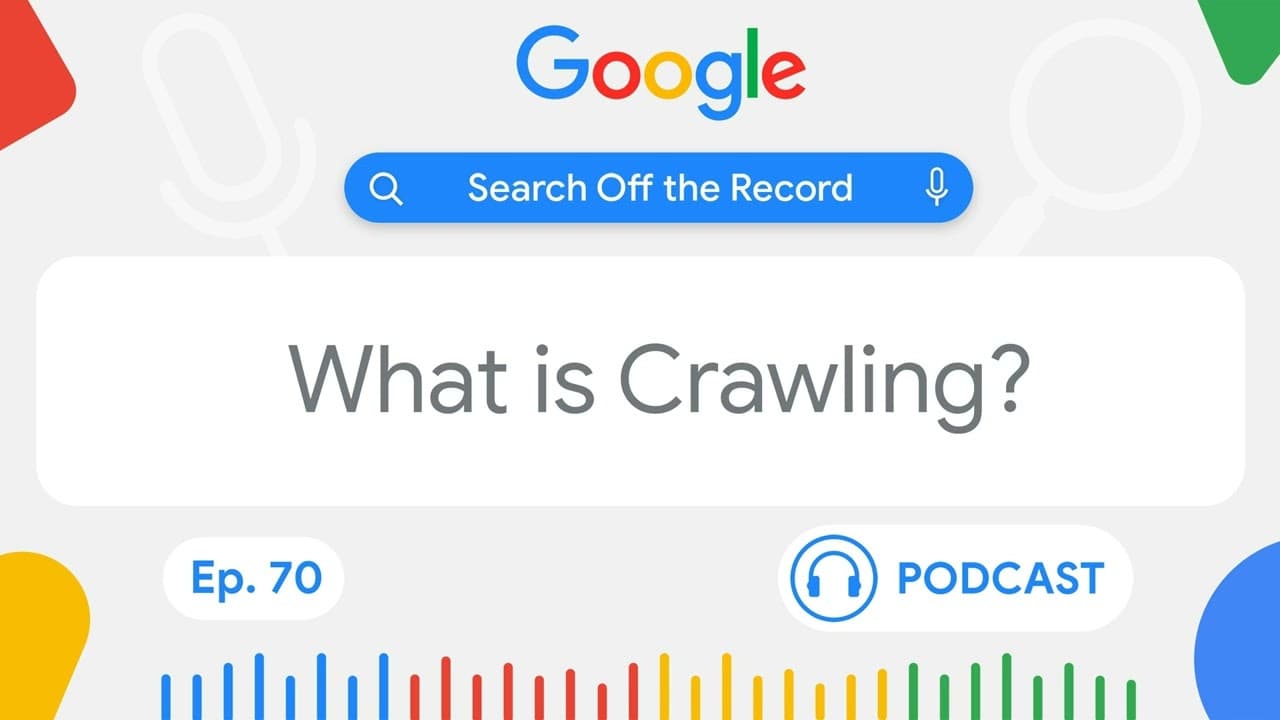
What is a web crawler, really? | Search Off the Record
TL;DR
Discussion on web crawlers, their functionality, and myths.
Transcript
hello and welcome to another episode of search off the record a podcast coming to you from the Google search team discussing all things search and having some fun along the way my name is sometimes Gary and I'm joined today by Lizzy from the search relations team of which I'm also part of to today we have a special guest Dave smart and my doc says ... Read More
Key Insights
- Web crawlers are essential for fetching information from websites, allowing search engines to index and rank content effectively.
- The concept of 'crawl budget' is often misunderstood; it involves both the capacity to crawl and the need to crawl specific content.
- Links, both internal and external, play a crucial role in determining what content gets crawled and how quickly it is indexed.
- The homepage is typically the most important page for a site, and linking new content from the homepage can expedite crawling.
- The indexing API is designed for specific use cases like job postings and live events, and misuse can lead to inefficiencies.
- Quality improvements in content can lead to increased crawling, but this is not immediate and requires external signals like links.
- Crawling and indexing strategies should be tailored to the specific needs and structure of a website, rather than adopting a one-size-fits-all approach.
- Search engines reassess indexed content regularly, and low-quality content can be dropped from the index over time.
Install to Summarize YouTube Videos and Get Transcripts
Explore YouTube Video Summarizer or Get YouTube Transcript Extractor
Questions & Answers
Q: What is a web crawler?
A web crawler is a software tool used by search engines to fetch information from websites. It visits web pages and follows links to gather data, which is then indexed and used to rank content in search results. Crawlers are essential for discovering new content and ensuring that search engines have the most up-to-date information.
Q: How does Google decide what to crawl?
Google uses a combination of factors to decide what to crawl, including the importance of the content as indicated by search demand and links. The scheduler within Google's crawling system prioritizes URLs based on these signals, ensuring that high-demand and highly linked content is crawled more frequently.
Q: What is 'crawl budget'?
Crawl budget refers to the amount of resources a search engine allocates to crawling a website. It involves both the capacity to crawl a site and the necessity to crawl specific content. Factors affecting crawl budget include the quality of the content, the number of links, and the overall demand for the site's content in search results.
Q: Why are links important for crawling?
Links are crucial for crawling because they help search engines discover new content. Internal links guide crawlers through a website, while external links from reputable sources can boost the perceived importance of a page, leading to more frequent crawling and potentially higher search rankings.
Q: What is the indexing API used for?
The indexing API is designed for specific use cases, such as job postings and live streaming events, where content needs to be indexed quickly. It allows site owners to notify Google of new or updated content, ensuring that it appears in search results promptly. However, misuse of the API for other purposes can lead to inefficiencies.
Q: How can site owners increase crawling of their content?
Site owners can increase crawling by improving content quality, gaining natural links, and ensuring that important pages are linked from prominent areas like the homepage. Additionally, using sitemaps and promoting content through social media can help attract attention and links, which in turn can lead to more frequent crawling.
Q: What happens if low-quality content is indexed?
If low-quality content is indexed, it may be dropped from the index during regular reassessments by search engines. Maintaining high-quality content and ensuring that only valuable pages are indexed can help prevent this. Search engines prioritize indexing content that is deemed useful and relevant to users.
Q: Is the homepage always the most important page for crawling?
Yes, the homepage is typically the most important page for crawling because it often serves as the main entry point to a website. Linking new or important content from the homepage can expedite its discovery and indexing by search engines. The prominence of the homepage makes it a strategic location for internal links.
Summary & Key Takeaways
-
The podcast discusses the intricacies of web crawling, focusing on how web crawlers function and the importance of links for content discovery. It highlights the role of the homepage and internal links in expediting the crawling process.
-
The concept of 'crawl budget' is explored, emphasizing the balance between the capacity to crawl and the necessity to crawl certain content. The discussion also touches on the indexing API and its specific use cases.
-
Quality content is crucial for maintaining a presence in search engine indexes. The podcast suggests that improving content quality and gaining natural links can lead to increased crawling and indexing efficiency.
Read in Other Languages (beta)
Share This Summary 📚
Summarize YouTube Videos and Get Video Transcripts with 1-Click
Try YouTube Summary with ChatGPT & Claude or YouTube Transcript Generator
Explore More Summaries from Google Search Central 📚





Summarize YouTube Videos and Get Video Transcripts with 1-Click
Try YouTube Summary with ChatGPT & Claude or YouTube Transcript Generator