First-amendment attorney explains freedom of speech | Greg Lukianoff and Lex Fridman
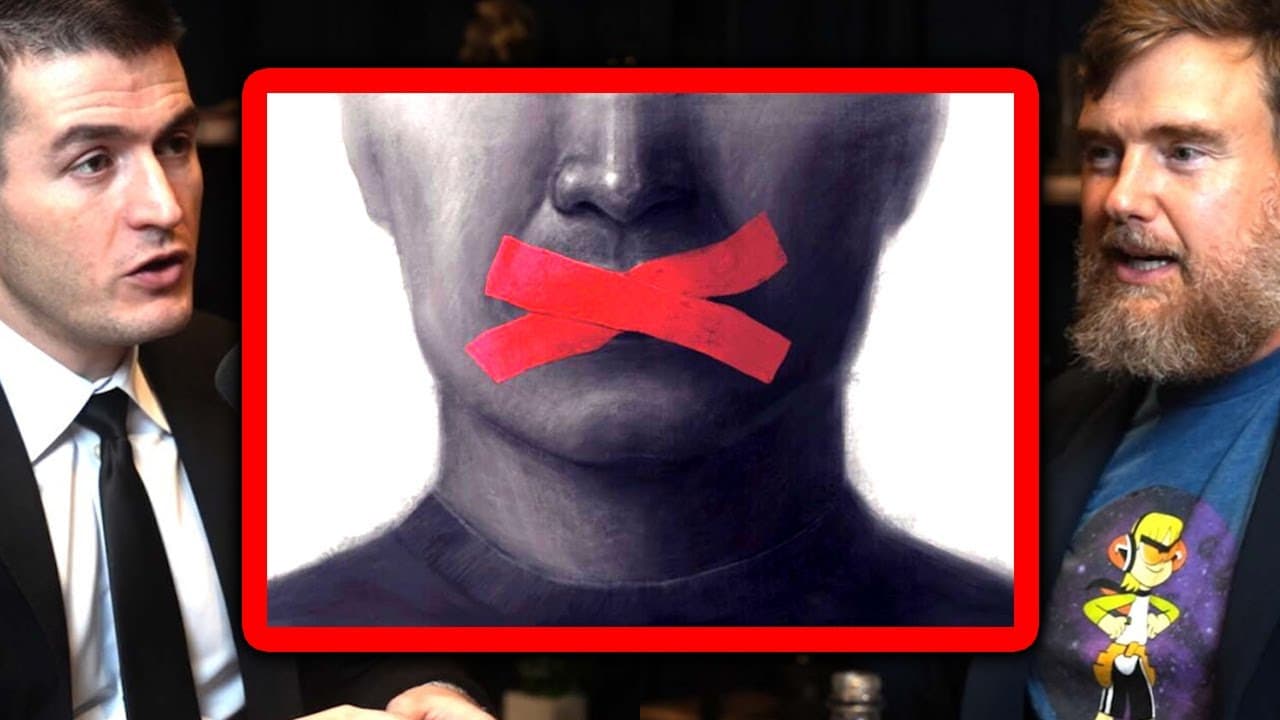
TL;DR
A First Amendment lawyer discusses the connection between the First Amendment, freedom of speech, and cancel culture, emphasizing the importance of protecting free speech rights.
Transcript
you mentioned uh to jump around a little bit the First Amendment first of all what is the first amendment and what is the connection to you between the First Amendment the freedom of speech and cancer culture sure so I'm a First Amendment lawyer as I mentioned and that's what I uh that's my passion that's what I studied and I think American First A... Read More
Key Insights
- 😑 The First Amendment aims to protect individuals' rights to express opinions and seek redress from the government.
- 🤯 Freedom of speech is a broader application of the principle, encompassing the value of people being able to speak their minds.
- 🥶 Free speech law should be supported by a free speech culture to ensure long-term protection.
- 🥶 Education plays a significant role in shaping the culture and understanding of free speech.
- 🤔 Limiting viewpoint diversity can lead to more tribal thinking and a lack of respect for differing opinions.
- 🥶 The acceptance of the idea that free speech applies only to one's own side contributes to cancel culture.
- 🥶 Protecting free speech rights is essential for maintaining a diverse and democratic society.
Install to Summarize YouTube Videos and Get Transcripts
Explore YouTube Video Summarizer or Get YouTube Transcript Extractor
Questions & Answers
Q: What is the First Amendment, and how does it relate to freedom of speech and cancel culture?
The First Amendment is a legal embodiment of the ideal of freedom of speech, protecting individuals' right to expression. It is connected to cancel culture as the censorship or "canceling" of individuals often infringes upon their free speech rights.
Q: How does FIRE define cancel culture, and how does it incorporate First Amendment norms?
FIRE defines cancel culture by including principles from First Amendment law, such as viewpoint discrimination. By doing so, they set guidelines for protected and unprotected speech, allowing for a broader understanding of cancel culture.
Q: Is there a gray area when it comes to defining what is and isn't allowed in certain topics, like economics?
Drawing a line between what is and isn't permitted in a specific topic can be subjective. However, when excluding unpopular opinions or viewpoints, such as criticizing a famous poet within a poetry forum, it raises more significant concerns than excluding unrelated topics.
Q: How does intuition play a role in determining when the line is crossed regarding censorship?
Intuition often helps identify when censorship occurs, similar to how people can recognize pornography when they see it. Applying the same level of intuition across the board is crucial to prevent a deformed society where free expression is suppressed.
Summary & Key Takeaways
-
The First Amendment aims to protect fundamental human rights and prevent conflicts over opinions and religion.
-
The organization FIRE focuses on protecting free speech and employs principles from First Amendment law to define cancel culture.
-
Viewpoint discrimination is a significant issue in censorship, where certain opinions are excluded in otherwise open forums.
Read in Other Languages (beta)
Share This Summary 📚
Summarize YouTube Videos and Get Video Transcripts with 1-Click
Try YouTube Summary with ChatGPT & Claude or YouTube Transcript Generator
Explore More Summaries from Lex Clips 📚
Summarize YouTube Videos and Get Video Transcripts with 1-Click
Try YouTube Summary with ChatGPT & Claude or YouTube Transcript Generator