Rewriting Your Life Story: How to Take Control of Your Narrative | Ed Mylett
TL;DR
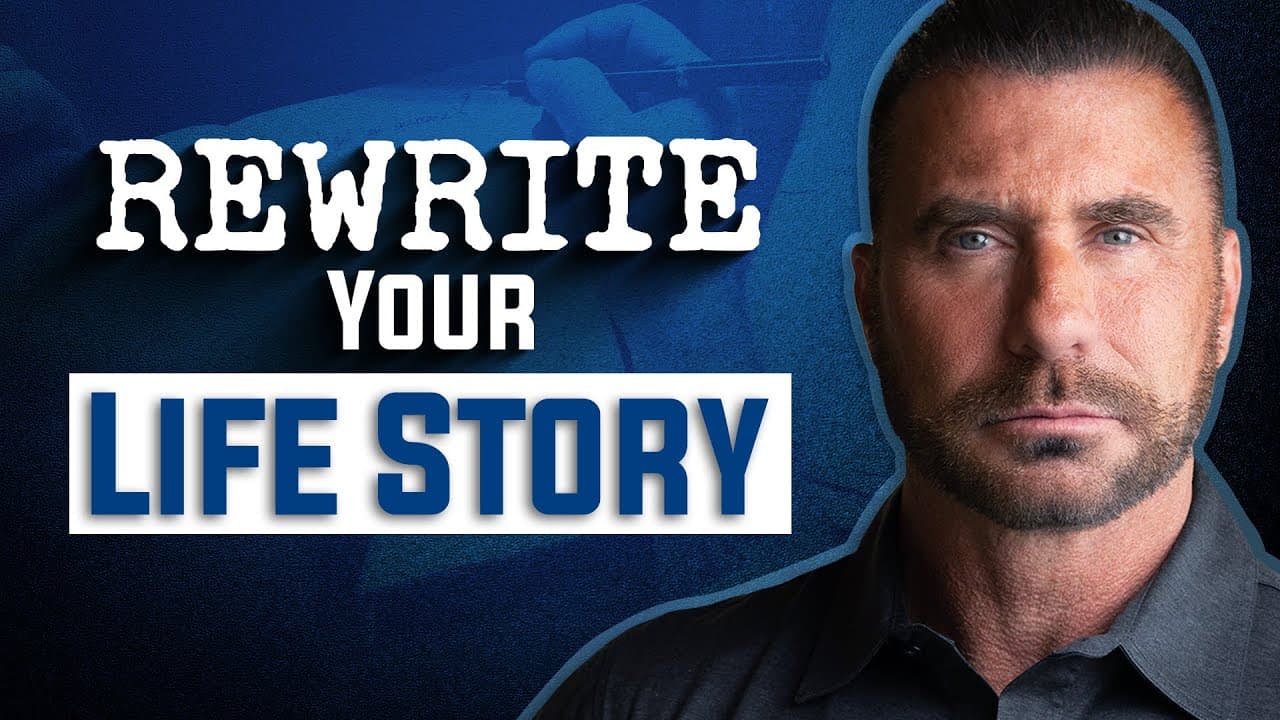
Change your narrative to transform your life.
Transcript
you were born to do something great with your life human beings are a series of patterns those patterns though where do they come from they come from a story you and I as humans will do everything we can to live consistently with this story We Tell ourselves the lead character of the story of your life is you you are the author you and God are the ... Read More
Key Insights
- The story you tell yourself shapes your life and outcomes. By changing this narrative, you can alter your life's trajectory.
- Human actions are largely driven by past habits, with 90% of daily actions being repetitive patterns. Recognizing and rewriting these patterns is crucial for change.
- The reticular activating system in the brain confirms your beliefs, reinforcing the narrative you tell yourself and influencing your perception of reality.
- Emotional experiences reinforce narratives. To change your story, it must be tied to strong emotions and purpose.
- You are the author of your life story, and with the right mindset and decisions, you can write a new chapter that reflects your potential.
- Traumatic past experiences can shape your narrative, but they are not your fault. Recognizing this can help you move forward.
- Living in a state of constant overcoming can be exhausting. Transitioning to a narrative of thriving and achieving can lead to a more fulfilling life.
- You are one decision away from changing your life. Embrace your greatness and take control of your narrative.
Install to Summarize YouTube Videos and Get Transcripts
Explore YouTube Video Summarizer or Get YouTube Transcript Extractor
Questions & Answers
Q: How does the story we tell ourselves affect our lives?
The story we tell ourselves shapes our reality by influencing our beliefs and actions. This narrative dictates how we perceive the world and our place in it. If the story is limiting, it can prevent us from achieving our true potential. Changing this narrative can lead to a transformation in our lives, allowing us to pursue and achieve greatness.
Q: What role does the reticular activating system (RAS) play in our lives?
The reticular activating system (RAS) in the brain acts as a filter, confirming the beliefs we hold about ourselves. It influences what we notice and pay attention to, reinforcing the narrative we tell ourselves. By proving our beliefs right, the RAS shapes our perception of reality, making it crucial to change limiting beliefs to alter our life outcomes.
Q: Why is it important to change old patterns and habits?
Old patterns and habits make up about 90% of our daily actions, keeping us stuck in routines that may not serve our growth. Changing these patterns is essential for personal development and achieving new goals. By rewriting these habits, we can break free from limitations and create a life that aligns with our true potential and desires.
Q: How can one begin to rewrite their life story?
To rewrite your life story, start by identifying the current narrative and assessing whether it serves your goals. Recognize any limiting beliefs and replace them with empowering ones. Anchor the new story to strong emotions and purpose, and take decisive actions that reflect the new narrative. Consistently reinforcing this story will help solidify the change.
Q: What is the significance of emotional experiences in shaping narratives?
Emotional experiences have a powerful impact on shaping narratives because they create strong memories and associations. High emotional intensity can make a story stick, reinforcing beliefs and patterns. To change a narrative, it's important to attach the new story to equally strong emotions, ensuring it becomes a lasting part of your identity and behavior.
Q: How can one ensure their new story sticks?
To ensure a new story sticks, it should be repeatedly reinforced with strong emotions and reasons. Engaging in activities that evoke peak emotional states, such as physical exercise, can help anchor the story in your neurochemistry. Writing, visualizing, and audibly repeating the story can also help solidify it in your subconscious mind.
Q: Why is it important to review the story of your life?
Reviewing the story of your life helps you assess whether it aligns with your goals and potential. It allows you to identify areas that need change and recognize patterns that may be holding you back. By regularly evaluating your narrative, you can make necessary adjustments to ensure you're living a life that reflects your highest potential.
Q: What is the impact of living for the 'extras' in life?
Living for the 'extras' in life means allowing peripheral people and opinions to dictate your actions and decisions. This can prevent you from pursuing your true desires and achieving your potential. Focusing on the lead characters—yourself and those who truly matter—ensures that your life story is driven by your values and goals, leading to a more fulfilling existence.
Summary & Key Takeaways
-
The narrative you tell yourself dictates your life's outcomes. By changing this story, you can transform your life and achieve greatness.
-
Human beings are driven by patterns and habits, with most actions being repetitive. Recognizing and rewriting these patterns is key to personal change.
-
Emotional experiences reinforce narratives. Tying your new story to strong emotions and purpose will help lock in your transformation.
Read in Other Languages (beta)
Share This Summary 📚
Summarize YouTube Videos and Get Video Transcripts with 1-Click
Try YouTube Summary with ChatGPT & Claude or YouTube Transcript Generator
Explore More Summaries from Ed Mylett 📚





Summarize YouTube Videos and Get Video Transcripts with 1-Click
Try YouTube Summary with ChatGPT & Claude or YouTube Transcript Generator