How Does Storytelling Enhance Design in UX?
TL;DR
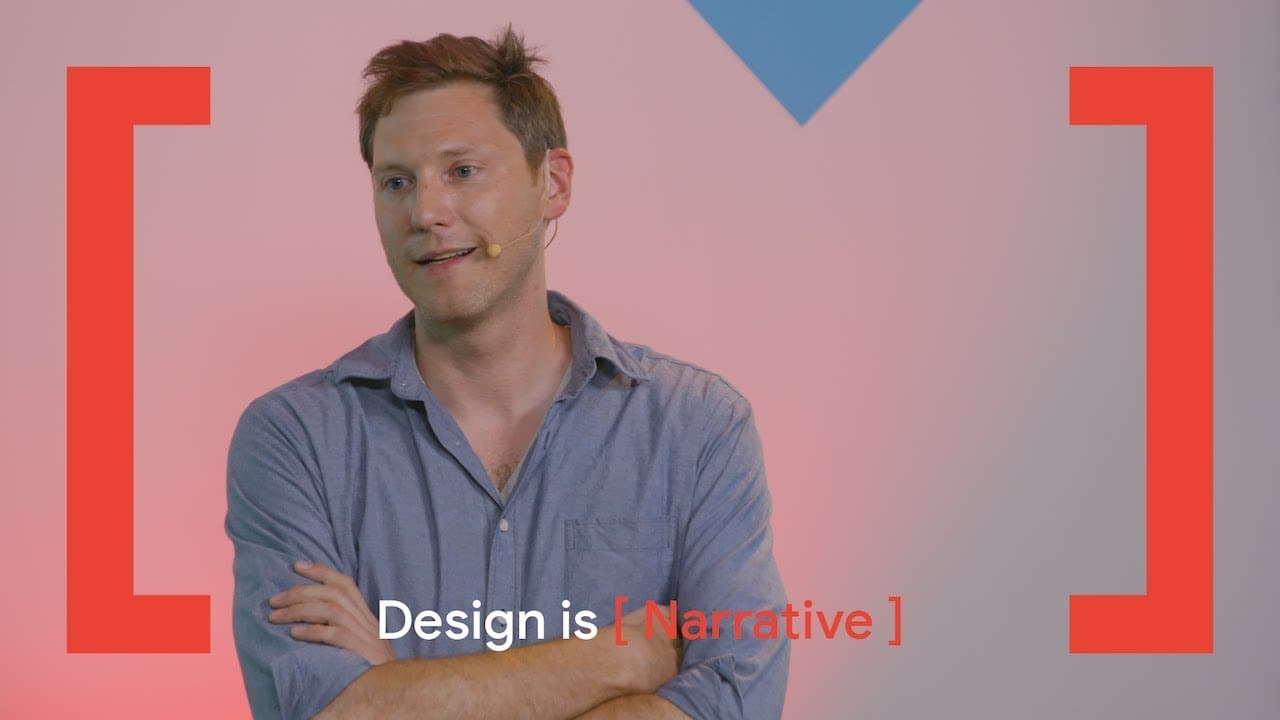
Storytelling enhances design in UX by creating emotional connections and empathy with users. Techniques like narrative arcs and the hero's journey help designers understand user needs and conflicts, allowing for more engaging experiences. Prototyping is vital in communicating these narratives, making it easier for stakeholders to grasp and support the design vision.
Transcript
thank you all for joining us I'm Kye Kelley I'm one of the creators of this series and I'm really excited to have you all here today a while back I was in a visioning summit with Alex and we were generating ideas for how to support more visioning work in the UX community at Google and Alex brought up the topic of storytelling and narrative and how ... Read More
Key Insights
- 👤 Stories have the ability to create emotional connections and empathy with users, making them a powerful tool in design.
- 🫠 Designers can apply storytelling techniques such as narrative arcs and the hero's journey to guide their design process and create more engaging experiences.
- 🎨 Prototyping can be used to bring the intended narrative of a design to life and allow stakeholders to fully understand and experience the design.
Install to Summarize YouTube Videos and Get Transcripts
Explore YouTube Video Summarizer or Get YouTube Transcript Extractor
Questions & Answers
Q: How can storytelling be used to create empathy and understanding for users?
Stories have the power to evoke emotions and create a connection between the audience and the narrative. By telling stories about users and their experiences, designers can help others understand their desires, conflicts, and motivations. This can enable better design decision-making and ultimately lead to more successful products.
Q: How can designers apply storytelling to their design process?
Designers can use storytelling techniques such as narrative arcs and the hero's journey to guide their design work. By understanding the beginning, conflict, and resolution of a user's experience, designers can create more engaging and impactful designs. Additionally, using stories as a way to communicate design ideas can help non-designers understand the significance and potential impact of a design.
Q: How can prototyping be used to convey the narrative of a design?
Prototyping is an effective way to bring a design to life and allow stakeholders to experience the intended narrative. Through prototyping, designers can create interactive experiences that showcase the intended user journey and highlight the emotions and connections they want users to have. Prototypes can be used to gather feedback, make iterations, and ultimately create a more immersive and engaging design.
Q: How can designers convince stakeholders who focus on ROI of the value of storytelling in design?
Designers can frame storytelling in a way that aligns with stakeholders' concerns, such as ROI. By emphasizing how storytelling can create emotional connections and empathy with users, designers can highlight the potential impact on user satisfaction, loyalty, and ultimately revenue. Additionally, showcasing success stories and case studies that demonstrate the positive outcomes of storytelling in design can help convince stakeholders of its value.
Summary & Key Takeaways
-
Design lead Alex discusses the importance of storytelling and narrative in design.
-
He explores how stories can create emotional resonance with users and help designers understand user desires and conflicts.
-
Alex shares examples of how storytelling has influenced his own design work, including the use of narrative arc and the hero's journey.
Read in Other Languages (beta)
Share This Summary 📚
Summarize YouTube Videos and Get Video Transcripts with 1-Click
Try YouTube Summary with ChatGPT & Claude or YouTube Transcript Generator
Explore More Summaries from Google Design 📚
![Design Is [Speculative] Futures Design Thinking - a new toolkit for preemptive design thumbnail](/_next/image?url=https%3A%2F%2Fi.ytimg.com%2Fvi%2FUB9UVHGI6AI%2Fhqdefault.jpg&w=750&q=75)
Summarize YouTube Videos and Get Video Transcripts with 1-Click
Try YouTube Summary with ChatGPT & Claude or YouTube Transcript Generator