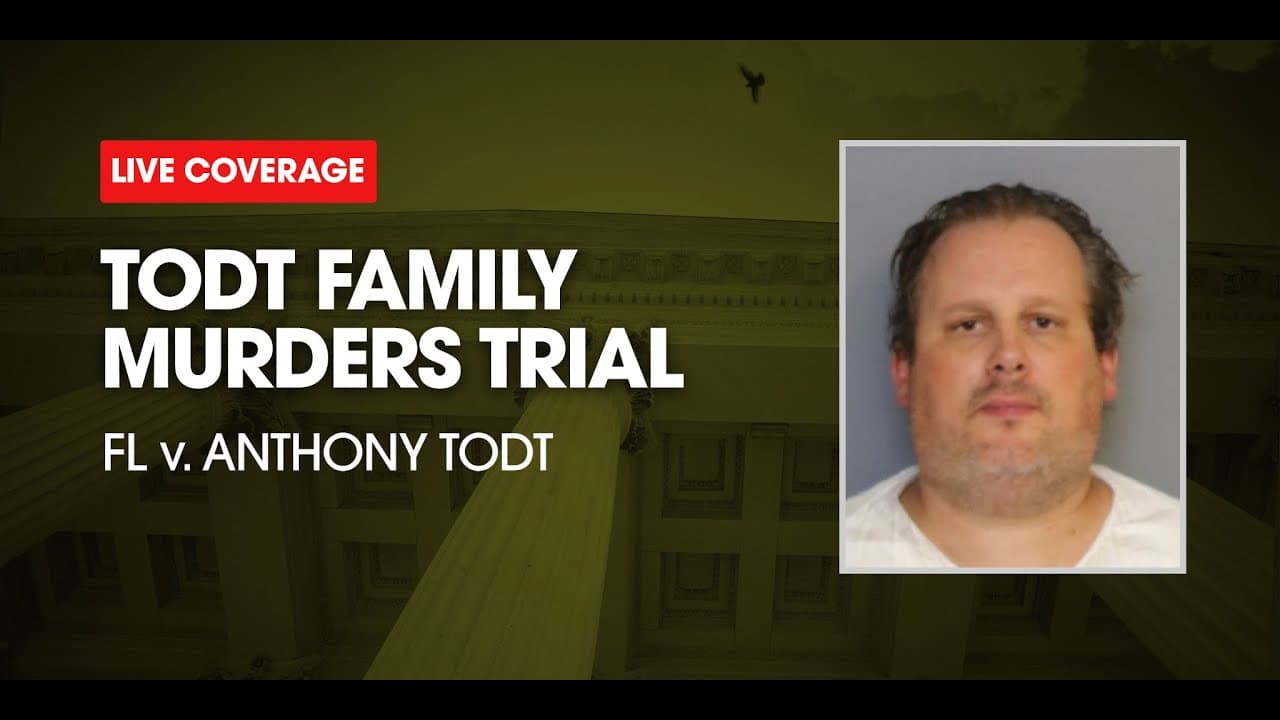
WATCH LIVE: FL v. Anthony Todt Trial Day 2
TL;DR
Forensic analysis reveals DNA profiles and toxicology results, implicating potential involvement in a crime.
Transcript
um okay um whatever i made it oh god uh oh she's foreign uh now so okay all right now in session good morning everyone you may be seated of course all right we are back on the record state of florida versus anthony john tote 2020 cf 149 state ready to go defense thanks let's return our jurors please [Music] Read More
Key Insights
- 🖐️ Forensic pathologists like Dr. Jennifer Narah play a crucial role in determining causes of death through detailed autopsies.
- 🥳 DNA analysts like Christopher Conklin utilize likelihood ratios to implicate individuals based on DNA evidence from crime scenes.
- 😷 Forensic medical technologists like Catherine Carswell conduct toxicology screenings on tissue samples to detect drug presence, aiding in criminal investigations.
- 🧬 DNA transfer and contamination from objects to individuals can significantly impact forensic analysis and implicate potential suspects.
Install to Summarize YouTube Videos and Get Transcripts
Explore YouTube Video Summarizer or Get YouTube Transcript Extractor
Questions & Answers
Q: How does Dr. Jennifer Narah determine causes of death during an autopsy?
Dr. Jennifer Narah conducts thorough external and internal examinations, documenting injuries, diseases, and trauma to determine the cause and manner of death.
Q: What does Christopher Conklin's DNA analysis involve, and how does it help in identifying potential suspects?
Christopher Conklin analyzes DNA samples from crime scenes and compares them to known standards to establish likelihood ratios, implicating individuals based on DNA profiling.
Q: What role does Catherine Carswell play in the forensic investigation, and how do toxicology screenings help in criminal cases?
Catherine Carswell conducts toxicology screenings on tissue samples to detect drugs or toxins, providing crucial evidence linking substances to potential criminal activities.
Q: Can DNA be transferred from objects to individuals, and how does this factor into forensic analysis?
Yes, DNA can be transferred from objects to individuals through direct or secondary contact, influencing DNA profiles in forensic investigations and potentially implicating suspects.
Summary & Key Takeaways
-
Dr. Jennifer Narah, a forensic pathologist, examines the bodies of deceased family members and determines causes of death.
-
Christopher Conklin, a DNA analyst, analyzes DNA samples from the crime scene, implicating certain individuals based on likelihood ratios.
-
Catherine Carswell, a forensic medical technologist, conducts toxicology screenings on tissue samples, revealing the presence of drugs like diphenhydramine.
Read in Other Languages (beta)
Share This Summary 📚
Summarize YouTube Videos and Get Video Transcripts with 1-Click
Try YouTube Summary with ChatGPT & Claude or YouTube Transcript Generator
Explore More Summaries from Law&Crime Network 📚

Summarize YouTube Videos and Get Video Transcripts with 1-Click
Try YouTube Summary with ChatGPT & Claude or YouTube Transcript Generator