How to Declutter Closets Overflowing with Excess
TL;DR
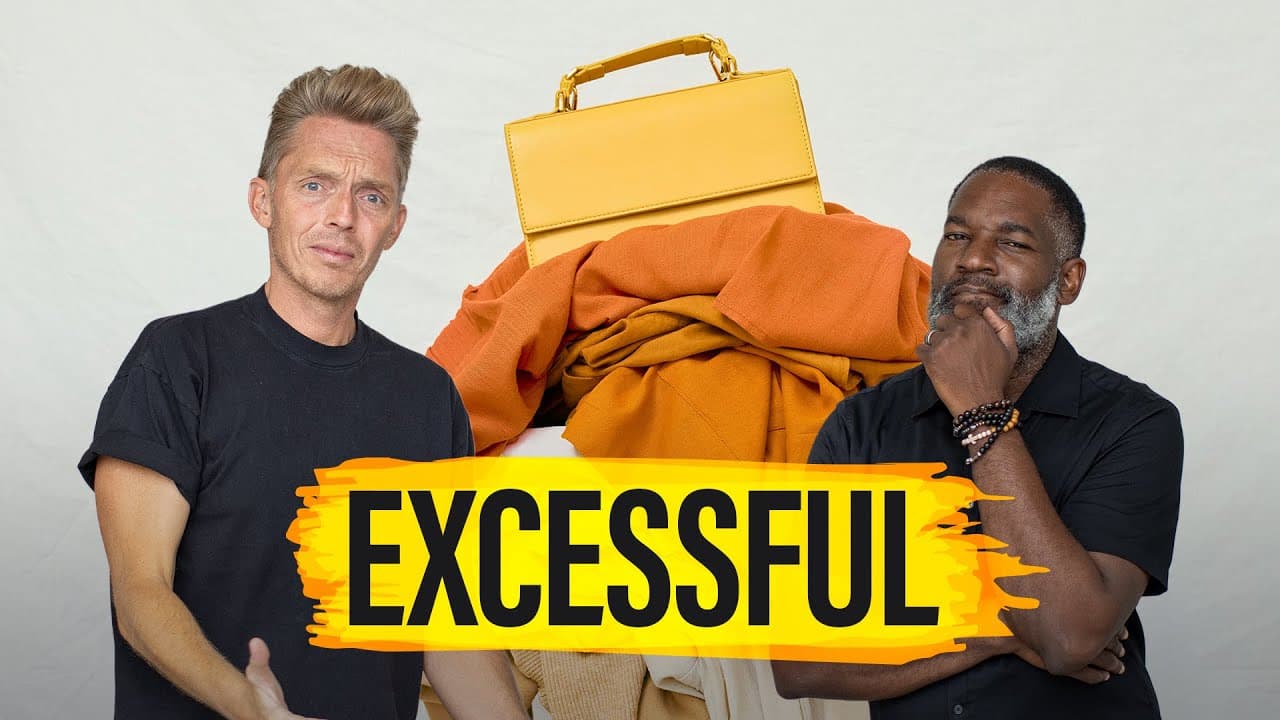
To effectively declutter overflowing closets, start by organizing and categorizing items to gain clarity on what you own. This process makes it easier to identify items to let go of, helping to create more space and reduce psychological clutter. The key is understanding that the excess often stems from deeper emotional or psychological needs.
Transcript
Hello everybody. Welcome to the minimalist podcast where we discuss what it means to live a meaningful life with less. My name is Joshua Fields Milbour and joining me here at Earththing Studios in beautiful West Hollywood, California, is my good friend, he's back, TK Coleman. Hey, hey, hey. Oh man. Coming up on this free public minimal episode, a c... Read More
Key Insights
- Clutter is often a manifestation of psychological or emotional clutter.
- Organizing items is a crucial precursor to minimizing clutter.
- The 'excess rule' suggests that if you haven't opened a box since moving, it's likely clutter.
- People often cling to items due to a deeper ache for meaning or connection.
- Letting go can be seen as a celebration of moving forward, not a concession of failure.
- Success is not about accumulating excess but finding happiness with less.
- The hardest clutter to release is the 'yes' that betrays your 'no'.
- Advertisements often prey on insecurities, normalizing deceit in society.
Install to Summarize YouTube Videos and Get Transcripts
Explore YouTube Video Summarizer or Get YouTube Transcript Extractor
Questions & Answers
Q: How to start decluttering overflowing closets?
Begin by organizing and categorizing all items to gain a clear understanding of what you own. This will help you identify items that can be let go of. By taking inventory, you can see what you're dealing with, making it easier to decide what to keep and what to discard.
Q: Why do people cling to excess items?
People often cling to excess items due to deeper emotional or psychological needs, such as a desire for more meaning, connection, or security. Items are brought into our lives with the hope that they will fulfill these needs, but when they don't, it becomes difficult to let go.
Q: What is the 'excess rule'?
The 'excess rule' suggests that if you have boxes or items in your home that you haven't opened since your last move, or you can't remember what's inside without opening them, they are likely clutter. These items are not serving a useful purpose and should be considered for removal.
Q: How can letting go be a positive experience?
Letting go can be a celebration of moving towards a more meaningful and intentional life. Instead of seeing it as admitting failure, view it as a graduation to a new phase of life where you focus on what truly matters, creating more space for calm and peace.
Q: How do advertisements affect our perception of needs?
Advertisements often prey on insecurities by normalizing deceit, making people feel they need more than they actually do. They capitalize on fears and desires, leading to the accumulation of unnecessary items and the misconception that these items will bring happiness or fulfillment.
Q: What is the hardest clutter to release?
The hardest clutter to release is often the 'yes' that betrays your 'no'. This refers to commitments or items that do not align with your true desires or values but are kept out of obligation or fear of letting go, highlighting the importance of intentional decision-making.
Q: How can organizing help in minimizing clutter?
Organizing is a crucial first step in minimizing clutter as it provides a clear picture of what you own. By categorizing and sorting items, you can more easily identify what is unnecessary, making the process of letting go less overwhelming and more manageable.
Q: What defines success in minimalism?
In minimalism, success is defined by finding happiness and fulfillment with less, rather than accumulating excess. It involves letting go of items that no longer serve a purpose, focusing on meaningful experiences, and creating more space for what truly matters in life.
Summary & Key Takeaways
-
To tackle overflowing closets, begin by organizing and categorizing items to understand what you have. This helps in identifying what can be let go of, creating more space and reducing psychological clutter. The process involves addressing the deeper emotional reasons behind clinging to excess items.
-
The 'excess rule' suggests that items not used since your last move are likely clutter. Letting go should be seen as a celebration of moving towards a more meaningful life, rather than a concession of failure. Success should be defined by happiness, not excess.
-
Advertisements prey on insecurities, normalizing deceit and causing people to accumulate more than they need. The hardest clutter to release is often tied to emotional or psychological needs, highlighting the importance of understanding the reasons behind holding onto items.
Read in Other Languages (beta)
Share This Summary 📚
Summarize YouTube Videos and Get Video Transcripts with 1-Click
Try YouTube Summary with ChatGPT & Claude or YouTube Transcript Generator
Explore More Summaries from The Minimalists Podcast 📚





Summarize YouTube Videos and Get Video Transcripts with 1-Click
Try YouTube Summary with ChatGPT & Claude or YouTube Transcript Generator