Why Men Get So Few Matches on Dating Apps
TL;DR
Dating apps can create a distorted dating experience due to gender imbalances, with men receiving fewer likes, matches, and self-esteem impacts.
Transcript
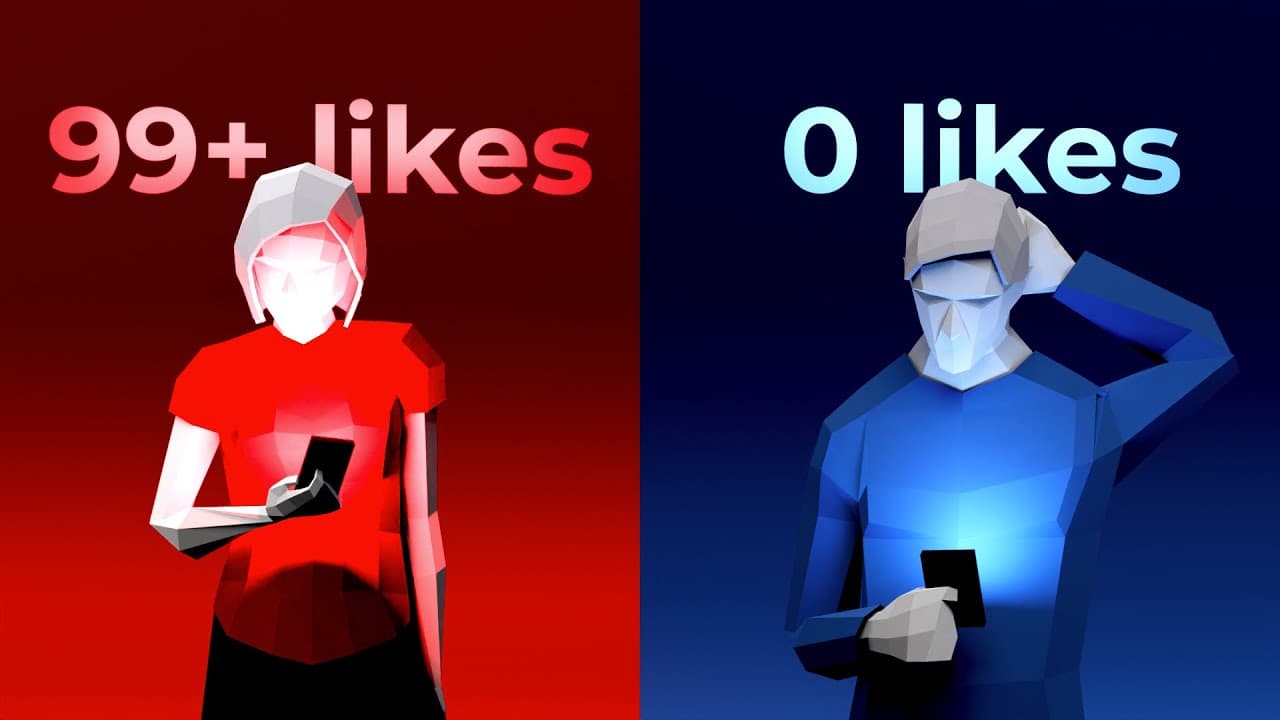
Two friends install a dating app and try their luck. The man tries to set up the perfect profile. A nice front picture. A group picture to make it seem like he has friends A picture in Paris to make it seem like he’s cultured. And a picture climbing mountains to make it seem like he's adventurous. After some hard work, the profile is ready. The wom... Read More
Key Insights
- 🧑🤝🧑 Dating apps create a distorted perspective of the dating world due to factors like gender imbalances, liking behavior, and attractiveness preferences.
- 🕵️♀️ Women tend to receive more likes and matches on dating apps due to the higher number of male users.
- 🥺 Men become less selective in their liking behavior, leading to more matches but potentially less genuine interest.
- 🖐️ Attractiveness plays a significant role, with a small percentage of users receiving a majority of the likes.
- 👫 The dating app experience can have a negative impact on self-esteem for both men and women.
- 😀 Gender dynamics in dating apps differ for same-gender dating, which is not explored in this analysis.
Install to Summarize YouTube Videos and Get Transcripts
Explore YouTube Video Summarizer or Get YouTube Transcript Extractor
Questions & Answers
Q: Why do women receive more likes and matches on dating apps compared to men?
Women receive more likes and matches due to the higher number of male users on dating apps, leading to a gender imbalance and increased attention from men.
Q: How does liking behavior affect the number of matches on dating apps?
Men tend to give more likes than women on dating apps, making them less selective. This can lead to higher match rates for men, as they cast a wider net in hopes of increasing their chances.
Q: Is attractiveness a significant factor in receiving likes on dating apps?
Attractiveness plays a role in the number of likes received on dating apps. A small percentage of users, perceived as more attractive, receive a large share of likes, creating an imbalance in the distribution.
Q: How does the gender imbalance impact the dating experience for men and women?
The gender imbalance on dating apps can lead to negative experiences for both men and women. Men struggle to get matches, causing frustration and lower self-esteem. Women may feel overwhelmed by the number of likes, while also facing intrusive behavior from men.
Summary & Key Takeaways
-
Two friends install a dating app and have different experiences: the woman receives an overwhelming number of likes and matches, while the man struggles to get any.
-
A simulation with 1000 dummies highlights the factors affecting dating app outcomes, including gender imbalances and differences in liking behavior.
-
The results show that women receive more likes and matches due to the higher number of male users, while men become less selective in their liking behavior.
Read in Other Languages (beta)
Share This Summary 📚
Summarize YouTube Videos and Get Video Transcripts with 1-Click
Try YouTube Summary with ChatGPT & Claude or YouTube Transcript Generator
Explore More Summaries from Memeable Data 📚

Summarize YouTube Videos and Get Video Transcripts with 1-Click
Try YouTube Summary with ChatGPT & Claude or YouTube Transcript Generator