What Are The Most Mysterious Places On Earth?
TL;DR
Only 5% of the ocean and remote places like Namib desert and Cape Melville remain unexplored.
Transcript
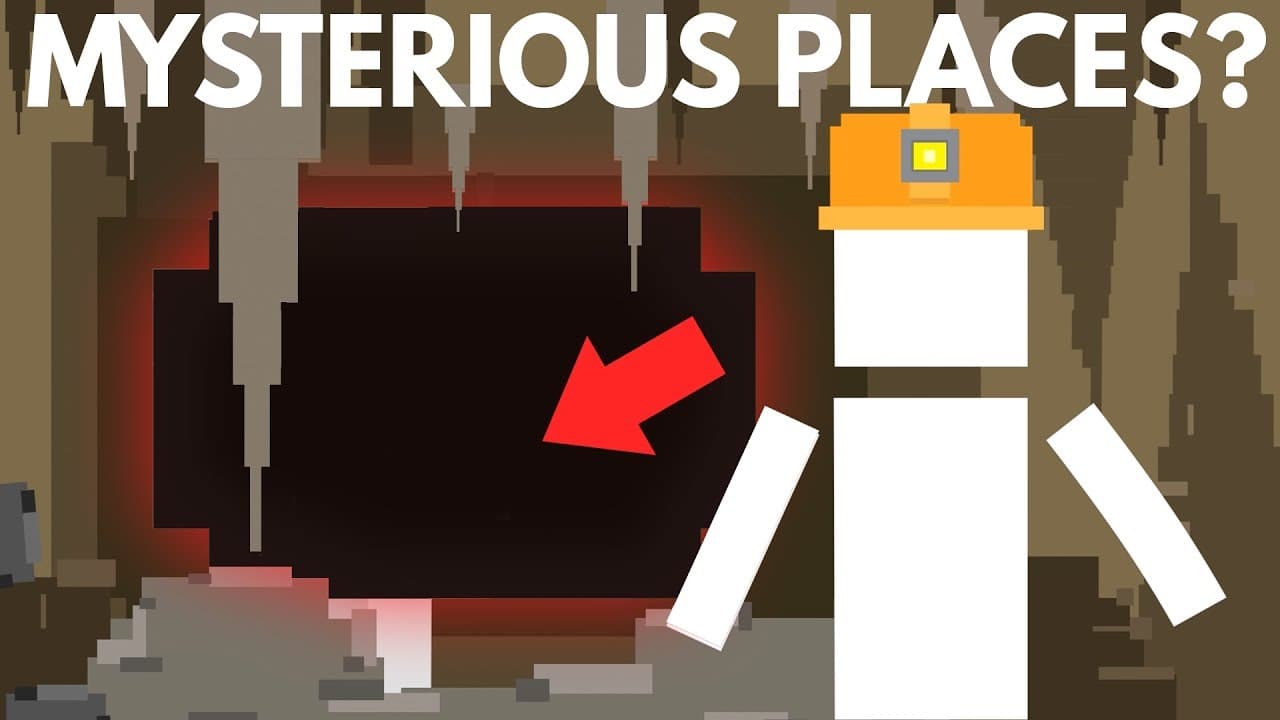
Did you know that there are still places on Earth that we haven’t explored? Triangle Bob, put down whatever the heck that is, and let's go on an adventure. So just how unexplored /is/ our planet? Well, quite a lot if we include the ocean! According to the National Ocean Service, we’ve only explored about 5 percent of the ocean. Since the ocean cove... Read More
Key Insights
- 🌊 The ocean remains largely unexplored, with only 5% explored.
- 🐪 Remote locations like Namib desert and Cape Melville offer unique ecosystems.
- 👶 Scientists have discovered new species in Cape Melville, like a leaf-tail gecko.
- 🇦🇹 Countries like Iceland, Denmark, and Austria are known for being peaceful.
- ❓ Globally, some regions are so remote that they remain uninhabited and inaccessible.
- 🙃 Tsingy de Bemaraha National Park in Madagascar is home to rare and endangered species.
- 🐪 The Namib desert in Africa is one of the driest and most arid places on Earth.
Install to Summarize YouTube Videos and Get Transcripts
Explore YouTube Video Summarizer or Get YouTube Transcript Extractor
Questions & Answers
Q: How much of the ocean has been explored?
Only about 5% of the ocean has been explored, leaving a vast majority yet to be discovered due to its vastness and depth.
Q: What makes places like Namib desert and Cape Melville unexplored?
These places are remote, uninhabited, and difficult to access, making them untouched by human activity and allowing unique flora and fauna to flourish.
Q: What unique species have been discovered in Cape Melville?
Scientists have discovered three new species in Cape Melville, including a golden skink, a leaf-tail gecko, and a frog with unique rain behavior.
Q: Which country is considered the most peaceful according to the Global Peace Index studies?
Iceland, Denmark, and Austria are considered the most peaceful nations on Earth according to the Global Peace Index studies, making them safe places to live.
Summary & Key Takeaways
-
Only 5% of the ocean has been explored, leaving a vast majority uncharted.
-
Remote places like Namib desert and Cape Melville are largely uninhabited and difficult to access.
-
Unique species of plants and animals thrive in these unexplored regions.
Read in Other Languages (beta)
Share This Summary 📚
Summarize YouTube Videos and Get Video Transcripts with 1-Click
Try YouTube Summary with ChatGPT & Claude or YouTube Transcript Generator
Explore More Summaries from Life Noggin 📚




Summarize YouTube Videos and Get Video Transcripts with 1-Click
Try YouTube Summary with ChatGPT & Claude or YouTube Transcript Generator