Why Don't Women Have More Power?
TL;DR
Progress in closing health and education gaps for women globally, but significant disparities in economic and political empowerment remain.
Transcript
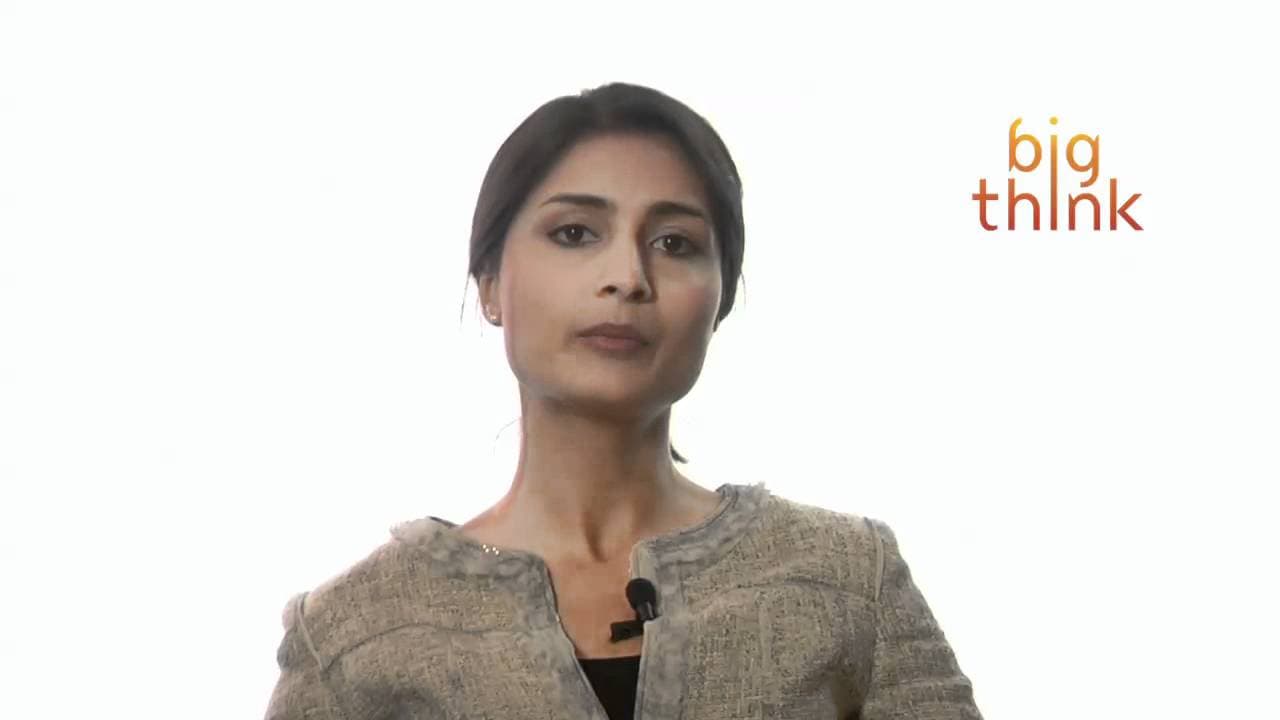
there's a one really important fact when we look at gaps what we're finding is that in the world as a whole at least out of the hundred and thirty four countries that that we're looking at ninety six percent of health gaps have been closed ninety-three percent of education gaps have been closed and then only about fifty nine percent of the economic... Read More
Key Insights
- 👩⚕️ 96% of global health gaps and 93% of education gaps for women have been closed.
- 😚 Progress has been made in closing gender gaps, with 86% of countries showing advancements in the last five years.
- 🇦🇪 Countries like Saudi Arabia and the United Arab Emirates are among those showing rapid growth in closing gender disparities.
- ✋ Nordic countries have achieved high levels of gender equality through social inclusion policies.
- 🧔♀️ The US has made progress in gender equality but still struggles with tapping into women's talent in senior management roles.
- ⚧️ Gender parity in economic and political empowerment remains a significant challenge globally.
- 🤦♀️ Companies face losses in talent due to barriers women face in advancing to higher management levels.
Install to Summarize YouTube Videos and Get Transcripts
Explore YouTube Video Summarizer or Get YouTube Transcript Extractor
Questions & Answers
Q: What percentage of health and education gender gaps have been closed globally?
According to the analysis, 96% of health gaps and 93% of education gaps for women have been closed worldwide, showing significant progress in these areas.
Q: Which countries have shown the fastest progress in closing gender gaps?
Countries like Saudi Arabia and the United Arab Emirates, traditionally ranked lower, have made significant strides due to investments in women's education and the removal of barriers to workforce entry.
Q: How have Scandinavian countries achieved high levels of gender equality?
Nordic countries like Iceland, Norway, and Finland have prioritized social inclusion, enabling high levels of health, education, and economic participation for women through conscious policies supporting work-family balance.
Q: What challenges do women face in the workforce despite progress in education and health?
Despite women's increasing entry and similar wages in the workforce, they face barriers in advancing to senior management roles, leading to a loss of talent and investment for companies.
Summary & Key Takeaways
-
96% of health gaps and 93% of education gaps for women have been closed globally.
-
Only 59% of economic participation and 18% of political empowerment gaps remain.
-
Progress has been made in closing gender gaps, with some countries at the bottom showing the fastest growth.
Read in Other Languages (beta)
Share This Summary 📚
Summarize YouTube Videos and Get Video Transcripts with 1-Click
Try YouTube Summary with ChatGPT & Claude or YouTube Transcript Generator
Explore More Summaries from Big Think 📚



Summarize YouTube Videos and Get Video Transcripts with 1-Click
Try YouTube Summary with ChatGPT & Claude or YouTube Transcript Generator