How Marketing Tricks Us Into Self-Deception
TL;DR
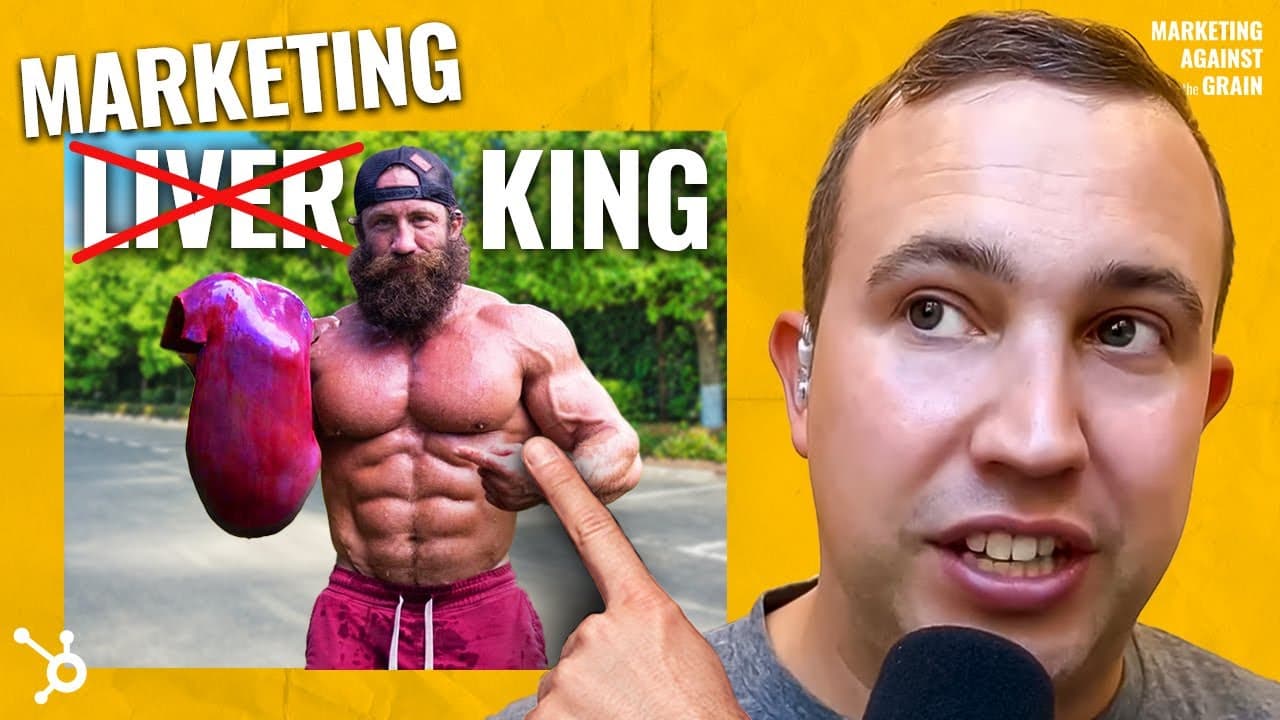
Marketing can lead us to believe in things that aren't true, often by telling compelling stories and creating charismatic personas. Individuals like Liver King and Sam Bankman-Fried used storytelling to build trust and credibility, sometimes resulting in deception. To avoid self-deception, scrutinize claims, seek objective truths, and be wary of charismatic figures without substance.
Transcript
- One of the reasons to love being a marketer is we can get people to believe things that are not true. (both laughing) - Which is also really terrible, by the way. - Yeah, but awesome. (both laughing) - But also great. (both laughing) - But also so good. (both laughing) - Hearing Mr. Burns over there. (laughs) (energetic upbeat music) - Hey, hey, ... Read More
Key Insights
- Marketing can make us lie to ourselves by presenting compelling stories and charismatic figures.
- Liver King created a niche by promoting an ancestral lifestyle, but his claims were misleading.
- Sam Bankman-Fried's FTX brand relied heavily on his persona and altruistic narrative, which masked underlying issues.
- People are more easily deceived by individuals than brands due to emotional connections.
- Self-awareness and questioning the truth of claims can prevent self-deception in marketing.
- Organizations focusing on customer success over celebrity endorsements are more trustworthy.
- Shortcuts to success are often misleading; true progress requires effort and time.
- Charismatic leaders can create 'categories of one,' making it easier for people to believe in their narratives.
Install to Summarize YouTube Videos and Get Transcripts
Explore YouTube Video Summarizer or Get YouTube Transcript Extractor
Questions & Answers
Q: How does marketing make us lie to ourselves?
Marketing can lead us to self-deception by presenting compelling stories and charismatic figures, making us believe in things that aren't true. This often involves creating a narrative that resonates emotionally, causing us to overlook inconsistencies or red flags. To avoid this, it's important to question claims, seek objective truths, and be cautious of individuals who seem too good to be true.
Q: What was the Liver King's marketing strategy?
The Liver King's marketing strategy involved promoting an ancestral lifestyle, claiming it led to his impressive physique. He created a niche by suggesting that following his lifestyle and consuming his supplements could achieve similar results. However, his use of steroids contradicted these claims, highlighting the power of storytelling in marketing and the potential for deception.
Q: Why did people believe in Sam Bankman-Fried's FTX?
People believed in Sam Bankman-Fried's FTX due to his altruistic narrative and persona. He positioned himself as a different kind of leader in the crypto space, focused on effective altruism and doing good. This narrative, combined with aggressive marketing and his casual appearance, made people overlook warning signs, such as lack of oversight and transparency, leading to eventual deception.
Q: How can we avoid self-deception in marketing?
To avoid self-deception in marketing, practice self-awareness and question the truth of claims. Look for objective evidence and be wary of charismatic figures without substantial backing. Focus on organizations that prioritize customer success and transparency over celebrity endorsements. Recognize that true progress requires effort and time, and be skeptical of shortcuts that seem too good to be true.
Q: What role do charismatic individuals play in marketing deception?
Charismatic individuals can significantly contribute to marketing deception by creating emotional connections and trust. Their compelling stories and personas can make people overlook inconsistencies or red flags. This is evident in cases like the Liver King and Sam Bankman-Fried, where their charisma helped sell misleading narratives. Being aware of this influence can help prevent self-deception.
Q: What is the significance of 'categories of one' in marketing?
'Categories of one' in marketing refer to creating a unique niche or persona that stands out, making it easier for people to believe in the narrative. This concept was used by individuals like the Liver King and Sam Bankman-Fried to build credibility and trust. However, it can also lead to deception if the underlying claims are not substantiated. Recognizing this tactic can help in evaluating marketing claims critically.
Q: Why is it easier to deceive with a person than a brand?
It's easier to deceive with a person than a brand because individuals can create emotional connections and trust more effectively. People are more likely to overlook inconsistencies or red flags when they resonate with a charismatic figure. This emotional influence makes it easier for individuals to sell misleading narratives, as seen in cases like the Liver King and Sam Bankman-Fried.
Q: What lessons can marketers learn from these examples?
Marketers can learn that while storytelling and charisma are powerful tools, they must be used ethically and with substantiated claims. Building trust requires transparency and prioritizing customer success over celebrity endorsements. Recognizing the potential for self-deception and focusing on providing genuine value can help build sustainable and trustworthy brands.
Summary & Key Takeaways
-
Marketing often tricks us into self-deception by using compelling storytelling and charismatic figures. The Liver King and Sam Bankman-Fried are examples of how individuals can create trust and credibility, sometimes leading to deception. To avoid self-deception, it's crucial to scrutinize claims, seek objective truths, and be cautious of charismatic individuals without substantial backing.
-
The Liver King promoted an ancestral lifestyle, claiming it led to his muscular physique, but his use of steroids contradicted his marketing. Similarly, Sam Bankman-Fried's FTX brand used his altruistic persona to gain trust, despite lacking proper oversight. These cases highlight the importance of questioning charismatic figures and their claims.
-
To prevent self-deception in marketing, focus on self-awareness and objective truths. Organizations that prioritize customer success over celebrity endorsements tend to be more reliable. Recognize that true progress requires effort and time, and be wary of shortcuts that seem too good to be true.
Read in Other Languages (beta)
Share This Summary 📚
Summarize YouTube Videos and Get Video Transcripts with 1-Click
Try YouTube Summary with ChatGPT & Claude or YouTube Transcript Generator
Explore More Summaries from Marketing Against the Grain 📚



![This 2-Minute AI Hack Creates Your OWN Call-In Podcast [PROVEN] thumbnail](/_next/image?url=https%3A%2F%2Fi.ytimg.com%2Fvi%2F-vcEPrjAvP4%2Fhqdefault.jpg&w=750&q=75)
Summarize YouTube Videos and Get Video Transcripts with 1-Click
Try YouTube Summary with ChatGPT & Claude or YouTube Transcript Generator