What Is the Impact of Consumerism on Society?
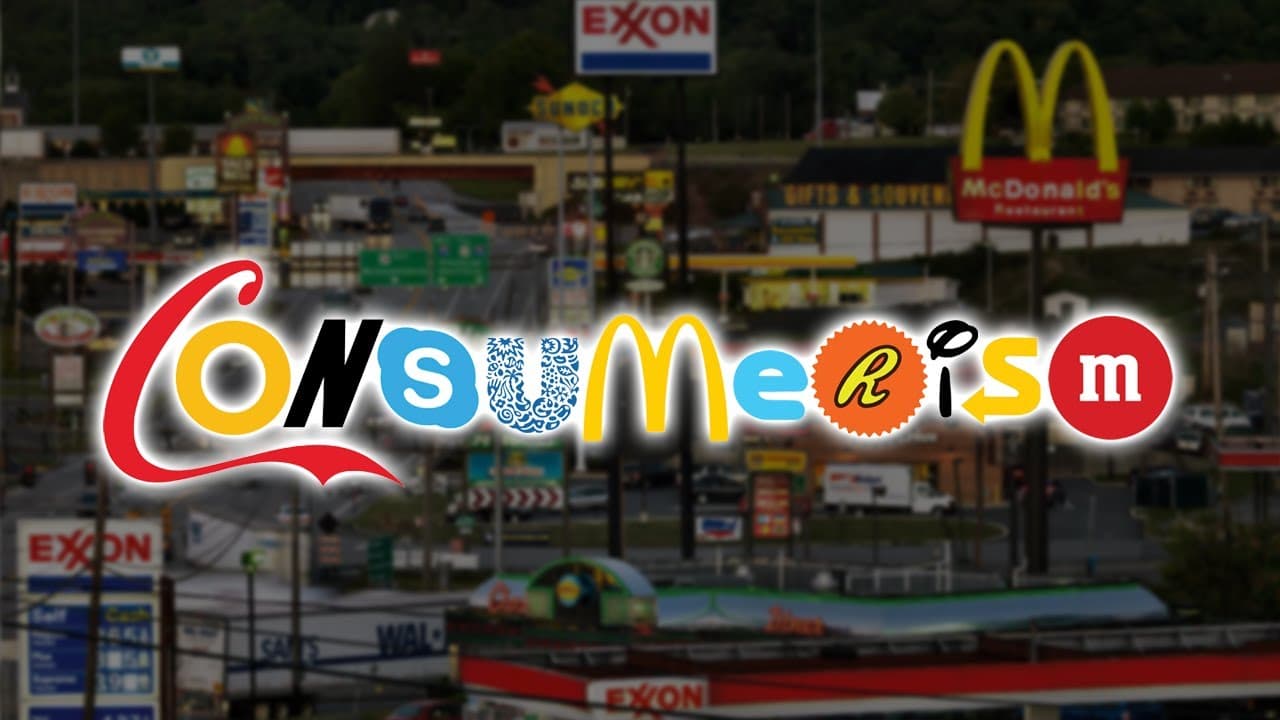
TL;DR
Consumerism profoundly shapes our lives and desires, emerging from historical trade developments to influence modern societal values. While it enables self-expression and access to goods, critics highlight its tendency to promote shallowness, alienate individuals from their authentic needs, and contribute to harmful social and environmental outcomes.
Transcript
we live in a consumer society our lives revolve around shops supermarkets new experiences new stuff we're in the midst of one of the busiest shopping weekends of the year the notion of the conscious consumer has certainly gained traction the textile industry in leicester has been under investigation a world surrounded by image advertising marketing... Read More
Key Insights
- 👋 Consumerism is a broad and complex concept, encompassing both the consumption of material goods and the formation of desires and cultural phenomena.
- 💋 Our consumer society has developed over centuries, with the post-war period marking a significant shift towards mass consumption and pervasive marketing.
- 🥺 Critics argue that consumerism can lead to shallowness, alienation, and negative consequences like addiction, environmental degradation, and exploitative labor practices.
- 😑 Despite its negatives, consumerism also provides opportunities for self-expression, creativity, and the pursuit of meaningful experiences.
Install to Summarize YouTube Videos and Get Transcripts
Explore YouTube Video Summarizer or Get YouTube Transcript Extractor
Questions & Answers
Q: What is the historical background of consumerism?
Consumerism has evolved over centuries, beginning with increased trade during the Renaissance and developing into a post-war consumer revolution characterized by mass consumption and marketing.
Q: How has consumerism changed our society?
Consumerism has led to a wide variety of goods and services, pervasive marketing, and the commodification of all aspects of life. It has become a cultural phenomenon, shaping our desires and values.
Q: Does consumerism have negative effects on individuals and society?
Critics argue that consumerism can lead to shallowness, alienation, and negative consequences such as addiction, environmental degradation, and exploitative labor practices.
Q: Is there any potential for ethical consumption within a consumer society?
While the concept of ethical consumption exists, it can be challenging to navigate within a consumer society. However, individuals can make conscious choices and support causes and issues that align with their values.
Summary & Key Takeaways
-
The rise of consumerism can be traced back to the Renaissance in Italy when trade increased, and people began collecting household wares and textiles.
-
Modern consumerism, as we understand it today, developed during the post-war consumer revolution, characterized by mass consumption, advertising, and the proliferation of consumer goods.
-
Critics argue that consumerism leads to shallowness, alienation from our true needs, and negative consequences such as addiction, environmental degradation, and exploitative labor practices.
Read in Other Languages (beta)
Share This Summary 📚
Summarize YouTube Videos and Get Video Transcripts with 1-Click
Try YouTube Summary with ChatGPT & Claude or YouTube Transcript Generator
Explore More Summaries from Then & Now 📚






Summarize YouTube Videos and Get Video Transcripts with 1-Click
Try YouTube Summary with ChatGPT & Claude or YouTube Transcript Generator