What Is ADHD and How Does Emotion Play a Role?

TL;DR
ADHD is primarily a disorder of inhibition, where difficulties in regulating emotions lead to impulsive behavior and heightened anger. Emotional impulsiveness significantly impacts social interactions and is connected to comorbid conditions like oppositional defiant disorder. Recognizing emotion as a core feature of ADHD helps explain various challenges individuals face throughout their lives.
Transcript
now what is it that is delayed two traits the first is not the one after which the disorder is named and in that sense the disorder has been misnamed the first deficit to appear is inhibition a failure to develop an appropriate inhibition of your behavior and this what often emerge in the preschool years and its first sign is usually hyperactivity... Read More
Key Insights
- ❓ ADHD is primarily a disorder of inhibition, with the first deficit being a failure to develop appropriate inhibition of behavior.
- 🤕 Hyperactivity, impulsivity, and cognitive impulsiveness are common symptoms of ADHD, but they decline with age.
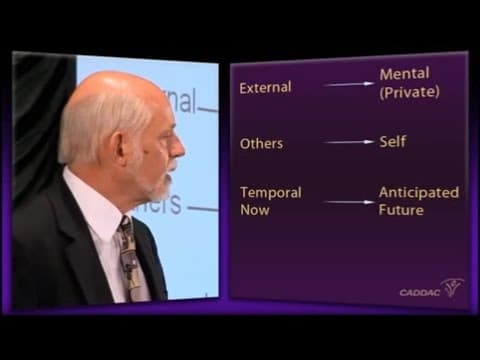
- 😘 Emotion is an integral part of ADHD, and individuals with ADHD struggle with emotional regulation, leading to quick anger and low frustration tolerance.
- ❓ Emotional impulsiveness is a significant contributor to comorbidity with oppositional defiant disorder (ODD).
- ❓ By understanding the emotional component of ADHD, we can better address social difficulties, treatment approaches, and support for individuals with ADHD.
- 🛟 Emotional impulsiveness can manifest in various aspects of life, including driving, workplace interactions, and relationships.
- 💯 Recognizing emotion as a core feature of ADHD can paint a more comprehensive picture of the disorder and its impact on individuals' lives.
Install to Summarize YouTube Videos and Get Transcripts
Explore YouTube Video Summarizer or Get YouTube Transcript Extractor
Questions & Answers
Q: How is ADHD characterized in children, and how does it change with age?
In children, ADHD is characterized by hyperactive and impulsive behavior, including excessive motor and verbal activity. However, these symptoms decline with age, and in adulthood, ADHD is primarily experienced as an internal restlessness and a need to be busy.
Q: Why is emotional impulsiveness an important aspect of ADHD?
Emotional impulsiveness is a core feature of ADHD, as individuals with this disorder have difficulty regulating their emotions. This can manifest as quick anger, low frustration tolerance, and an inability to moderate emotions for social contexts, leading to relationship problems and difficulties in various areas of life.
Q: How is emotion related to the comorbidity of ADHD with oppositional defiant disorder (ODD)?
Emotion plays a significant role in the comorbidity of ADHD and ODD. ADHD children are eleven times more likely to develop ODD within two years of the ADHD onset. By understanding the emotional aspect of ADHD, we can recognize that ADHD causes ODD, as the inability to manage frustration and anger predisposes individuals to interaction conflict and defiance.
Q: How does understanding the emotion component of ADHD contribute to treatment and support?
Treating ADHD with medications also reduces emotional impulsiveness. By recognizing the importance of emotion in ADHD, families and healthcare providers can better understand the social difficulties faced by individuals with ADHD, such as friendship struggles and marital problems. It allows for more comprehensive support and interventions tailored to the emotional needs of individuals with ADHD.
Summary & Key Takeaways
-
ADHD is often mischaracterized as hyperactivity, but the first deficit to appear is actually inhibition, leading to hyperactive and impulsive behavior.
-
Cognitive impulsiveness and restlessness are also common symptoms of ADHD, but they typically decline with age.
-
Emotion is a core feature of ADHD, and individuals with ADHD have difficulty regulating their emotions, leading to quick anger, low frustration tolerance, and emotional impulsiveness.
Read in Other Languages (beta)
Share This Summary 📚
Summarize YouTube Videos and Get Video Transcripts with 1-Click
Try YouTube Summary with ChatGPT & Claude or YouTube Transcript Generator
Explore More Summaries from Adhd Videos 📚




Summarize YouTube Videos and Get Video Transcripts with 1-Click
Try YouTube Summary with ChatGPT & Claude or YouTube Transcript Generator