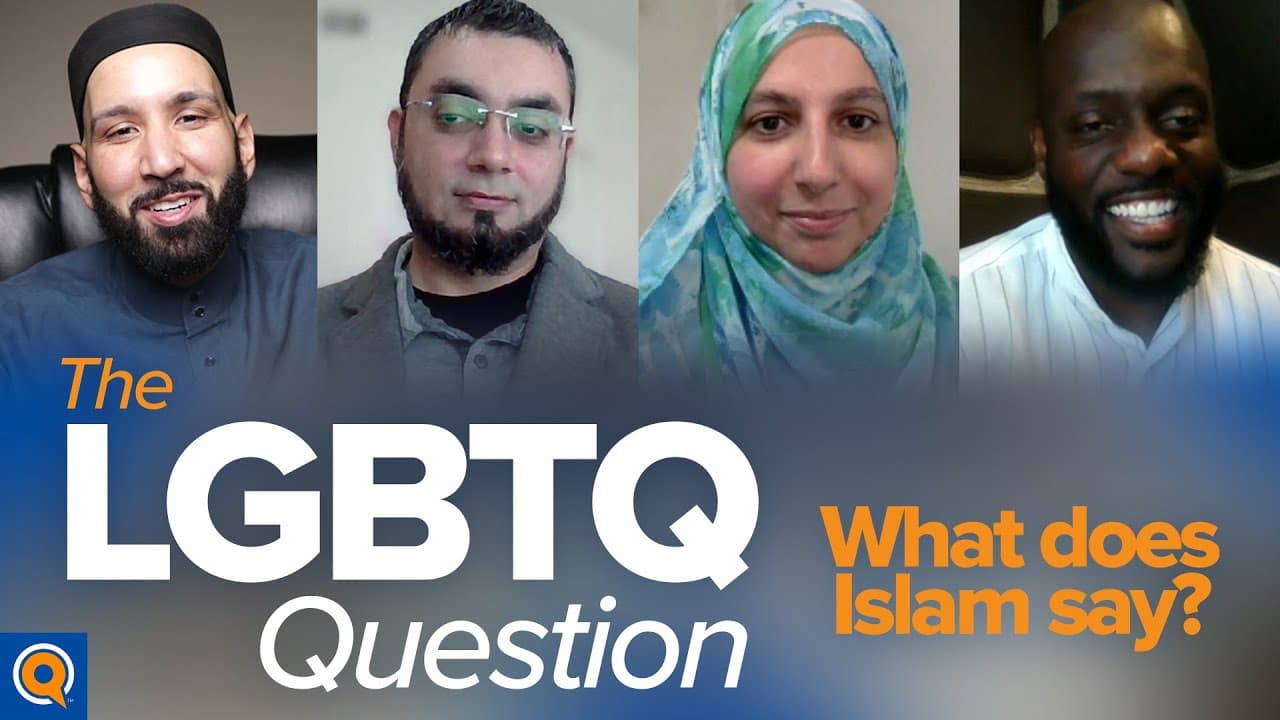
How Does Islam Address LGBTQ+ Issues in Contemporary Society?
TL;DR
Islam emphasizes that any sexual relationship outside of a heterosexual marriage is forbidden, supporting individuals with same-sex attraction through compassionate pastoral care while maintaining the integrity of Islamic teachings. The community is encouraged to develop clear positions on LGBTQ+ issues, ensuring support for struggling individuals without compromising core beliefs.
Transcript
welcome to the last webinar in our ethics series alhamdulillah blessed to be joined today by rabbi most of us and this webinar if you've been following along uh has been planned for a few months now we finished a webinar last year on post-modernism which was a very beautiful webinar and then this year if you tuned in last week to the webinar on eth... Read More
Key Insights
- 😫 The foundation of Islam's ethical framework is divine revelation, setting it apart from ever-changing societal norms.
- 😨 Muslims can support individuals struggling with same-sex attraction while adhering to Islamic teachings by offering pastoral care and counseling.
- 🧘 Organizations can create clear and unified responses to LGBTQ+ issues through the development of comprehensive position statements rooted in Islamic teachings.
Install to Summarize YouTube Videos and Get Transcripts
Explore YouTube Video Summarizer or Get YouTube Transcript Extractor
Questions & Answers
Q: How does Islam define ethical frameworks and how do they differ from societal norms?
Islam's ethical framework is rooted in divine revelation, providing guidance on all aspects of life including morals, ethics, and behavior. While societal norms may change over time, Islam's ethical principles remain constant.
Q: How can Muslims support individuals struggling with same-sex attraction while adhering to Islamic teachings?
Muslims can offer pastoral support, counseling, and resources to individuals with same-sex attraction while maintaining the understanding that acting upon those desires is considered haram (forbidden). It is crucial to provide a safe and empathetic environment for individuals to navigate their struggles.
Q: How can Muslim organizations create a clear and unified response to LGBTQ+ issues?
Muslim organizations should develop position statements rooted in Islamic teachings that condemn mistreatment and violence against LGBTQ+ individuals while reaffirming Islam's ethical stance on same-sex acts. Collaborating with scholars and theologians can help articulate thoughtful positions on these complex issues.
Q: How can Muslims navigate the increasing exposure of children to LGBTQ+ issues in curriculums and media?
Muslims should express dissent, advocate for age-appropriate content, and engage with educational institutions to find common ground. Upholding Islamic values and explaining them to children is crucial, while also promoting good character and respect for others.
Summary & Key Takeaways
-
This webinar discusses Islam's ethical framework and its relevance in a society increasingly hostile towards Muslim ethics.
-
Topics covered include Islam's unique ethical framework, addressing LGBTQ+ issues within an Islamic perspective, and building a unified Muslim organization response.
-
Questions raised include how to support young Muslims with same-sex attraction, protect religious institutions legally, and navigate the impact of LGBTQ+ curriculum on children.
Read in Other Languages (beta)
Share This Summary 📚
Summarize YouTube Videos and Get Video Transcripts with 1-Click
Try YouTube Summary with ChatGPT & Claude or YouTube Transcript Generator
Explore More Summaries from Yaqeen Institute 📚

Summarize YouTube Videos and Get Video Transcripts with 1-Click
Try YouTube Summary with ChatGPT & Claude or YouTube Transcript Generator