How Can Empathy Help Us Understand Our Online Critics?
TL;DR
Empathy can help us humanize online critics and engage in constructive conversations. By understanding the motivations behind hateful comments, individuals can challenge polarization without endorsing harmful beliefs. This approach promotes dialogue and reflection, ultimately encouraging a more empathetic discourse.
Transcript
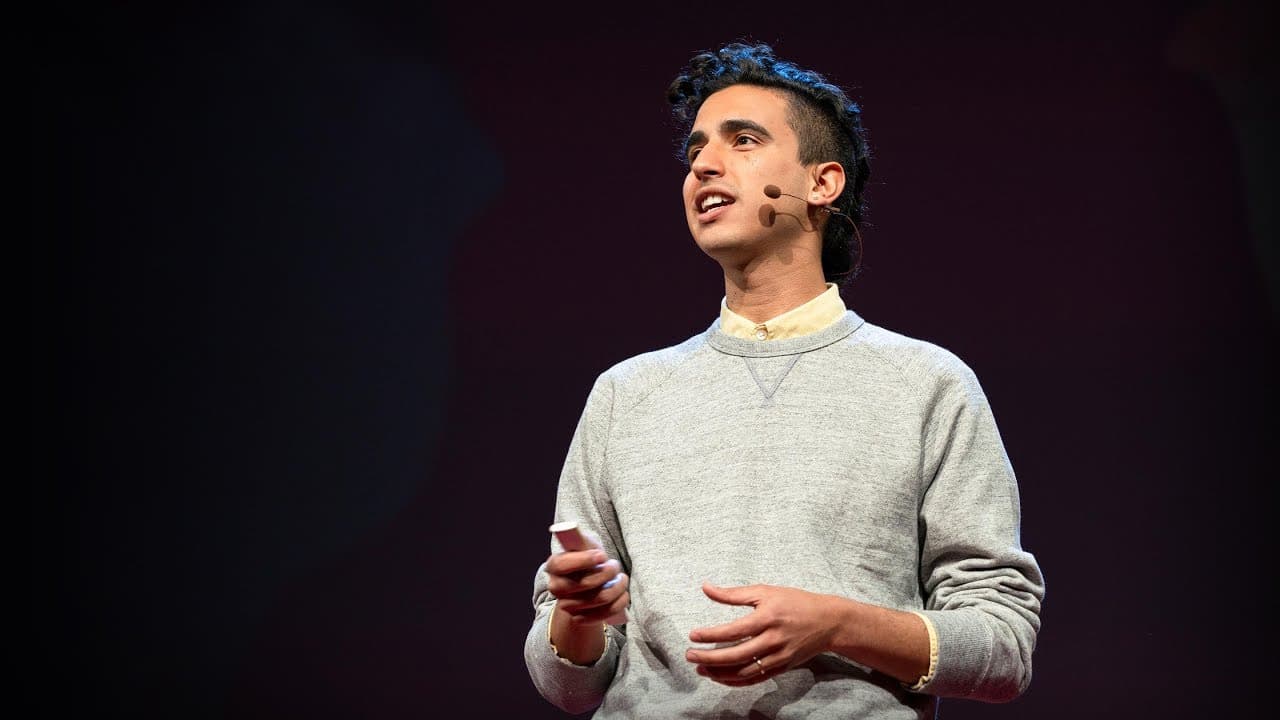
Hi. I've received hate online. A lot of it. And it comes with the territory of my work. I'm a digital creator, I make things specifically for the internet. Like, a few years ago, I made a video series called "Every Single Word" where I edited down popular films to only the words spoken by people of color, as a way to empirically and accessibly talk... Read More
Key Insights
- 👑 The speaker is a digital creator who has faced significant online hate due to their work tackling issues of representation in Hollywood and societal injustices.
- 🌟 The speaker's work has gained popularity and garnered millions of views, but it has also attracted a slew of negative comments and hate, including terms such as "beta," "snowflake," and "cuck."
- 📱 The speaker developed a coping mechanism by clicking on the profile pictures of those who sent hate messages, seeking context and recognizing there is a human behind the screen.
- 📞 The speaker took it a step further and called some of the individuals who sent hate messages, engaging in conversations to understand their motivations for writing hurtful comments.
- 💔 The speaker's conversations humanized both the speaker and the individuals who sent hate messages, showcasing the power of empathy and the potential for reflection and reconsideration.
- 🗣️ Empathy is emphasized throughout the talk, with the speaker highlighting that empathizing with someone does not mean endorsing their beliefs and that each person's approach to activism may vary.
- ❌ The speaker acknowledges that not everyone feels safe or comfortable engaging with their detractors or extending empathy, respecting individual boundaries and experiences.
- 🌍 Despite the inevitable presence of online hate, the speaker encourages dialogue and conversation as a means of bridging divides and challenging preconceived notions.
Install to Summarize YouTube Videos and Get Transcripts
Explore YouTube Video Summarizer or Get YouTube Transcript Extractor
Questions & Answers
Q: What kind of work does the speaker do as a digital creator?
The speaker creates digital content for the internet, including video series such as "Every Single Word" and "Sitting in Bathrooms with Trans People." They also satirize popular unboxing videos by unboxing intangible ideologies like police brutality and masculinity.
Q: How did the speaker's work become popular?
The speaker's work gained popularity and received millions of views, positive press coverage, and a large number of new followers.
Q: What is the flip side of success on the internet?
The flip side of success on the internet is internet hate. The speaker received a lot of hate online, being called names like "beta," "snowflake," and "cuck."
Q: How did the speaker cope with receiving hate online?
The speaker developed a coping mechanism where they would click on the profile pictures of their haters and learn more about them. They also had phone conversations with some of them, asking them why they wrote those hate comments. This helped provide context and humanize the people behind the hate.
Q: What did the speaker learn through their conversations with haters?
The speaker learned that engaging in conversations with people who disagree with them and empathizing with them doesn't mean compromising their own beliefs. Empathy is not endorsement. Through these conversations, the speaker found moments of reflection and reconsideration, leading to a greater understanding of each other's perspectives.
Q: Is empathizing with people who hold different beliefs a form of activism?
The speaker acknowledges that this approach might not be suitable for everyone, as some people may not feel safe or have any empathy to give. It's not a universal prescription for activism but rather a method that the speaker feels suited for. They understand that not everyone can or wants to engage in conversations with their detractors.
Q: How did the speaker's attempts to have conversations with their haters go?
Some people declined or ignored the invitation, while others blocked the speaker or hung up during the call. The speaker remains determined to have these conversations and believes that if someone refuses to engage or blocks them, it may reflect on their own openness to dialogue.
Summary & Key Takeaways
-
The speaker, a digital creator, has received a lot of hate online due to the controversial content of their work.
-
They cope with the hate by engaging in conversations with their haters and humanizing them by learning more about their lives.
-
The speaker believes that empathy is important in bridging ideological differences and challenging the echo chamber mentality commonly found on the internet.
Read in Other Languages (beta)
Share This Summary 📚
Summarize YouTube Videos and Get Video Transcripts with 1-Click
Try YouTube Summary with ChatGPT & Claude or YouTube Transcript Generator
Explore More Summaries from TED 📚


Summarize YouTube Videos and Get Video Transcripts with 1-Click
Try YouTube Summary with ChatGPT & Claude or YouTube Transcript Generator