The 19th Century Science That's Fighting Climate Change Today
TL;DR
The Challenger expedition data from the 1870s helps understand climate change's impact on ocean salinity.
Transcript
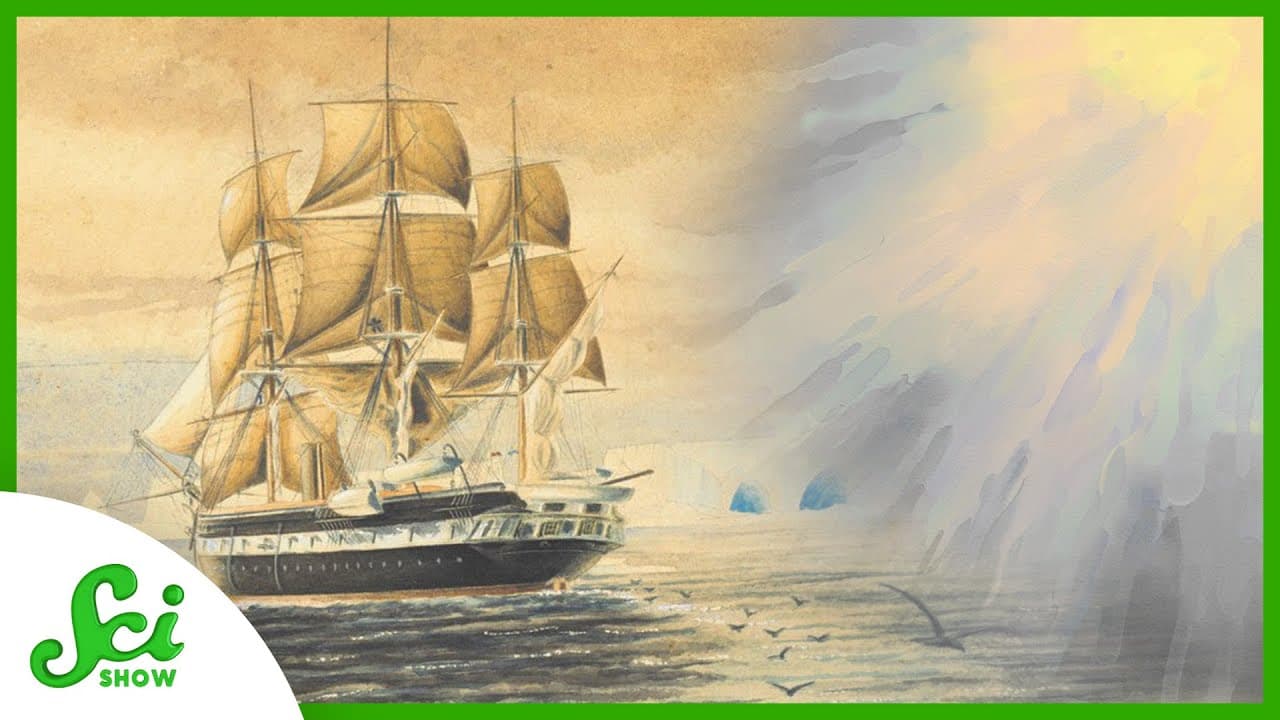
The 1870s Challenger expedition is often considered to be the foundation of the modern science of oceanography. The expedition, led by British naturalist John Murray and Scottish naturalist Charles Wyville Thomson, covered more than 125,000 kilometers and lasted about four years. During that time, the crew sailed the HMS Challenger, a small Navy wa... Read More
Key Insights
- 🖐️ The 1870s Challenger expedition laid the groundwork for modern oceanography and continues to provide valuable data for studying climate change.
- 😒 Researchers use historical data to calculate ocean salinity, revealing insights into long-term climate patterns.
- 💱 Salinity variations reflect changes in the water cycle, showcasing potential consequences of climate change on dry and wet regions globally.
- 🍝 Understanding past ocean data helps forecast future climate trends and develop effective mitigation strategies.
- 😑 The Challenger expedition data offers a unique perspective on pre-industrial ocean conditions, aiding in assessing the impact of human activities on the environment.
- 💱 Analyzing salinity changes helps predict arid conditions in dry areas and increased rainfall in wet regions, highlighting climate change effects on different parts of the world.
- 👣 Historical ocean data helps researchers track environmental changes, enabling better preparation for future challenges posed by the climate crisis.
Install to Summarize YouTube Videos and Get Transcripts
Explore YouTube Video Summarizer or Get YouTube Transcript Extractor
Questions & Answers
Q: How does data from the 1870s Challenger expedition help in understanding modern climate change impacts?
The Challenger data offers insights into historical ocean conditions, indicating how salinity changes relate to today's climate challenges. By analyzing this data, researchers can track long-term trends and assess the impact of human activities on the environment.
Q: What factors contribute to changes in ocean salinity over time?
Changes in ocean salinity are primarily influenced by the water cycle, including evaporation and precipitation. Evaporation makes seawater saltier, while precipitation adds freshwater, impacting the overall salinity levels in different ocean regions.
Q: How do variations in ocean salinity affect different parts of the world?
Areas with historically high evaporation rates experience increased salinity, while regions with heavy precipitation become fresher. This trend implies that dry areas will experience more arid conditions, leading to challenges like droughts, while wet regions may face increased rainfall and related issues.
Q: Why is understanding past ocean data crucial for addressing the climate crisis?
Analyzing historical ocean data helps scientists predict future climate trends and prepare for climate change impacts. By studying how ocean salinity has evolved over time, we can develop strategies to mitigate the effects of global warming on marine environments.
Summary & Key Takeaways
-
Challenger expedition data, collected in the 1870s, provides valuable insights into global ocean changes.
-
Researchers use historical data to understand ocean salinity changes due to climate crisis.
-
Salinity variations reflect changes in the water cycle, indicating potential climate change effects on dry and wet regions.
Read in Other Languages (beta)
Share This Summary 📚
Summarize YouTube Videos and Get Video Transcripts with 1-Click
Try YouTube Summary with ChatGPT & Claude or YouTube Transcript Generator
Explore More Summaries from SciShow 📚

Summarize YouTube Videos and Get Video Transcripts with 1-Click
Try YouTube Summary with ChatGPT & Claude or YouTube Transcript Generator