Do NOT Learn Kubernetes Without Knowing These Concepts...
TL;DR
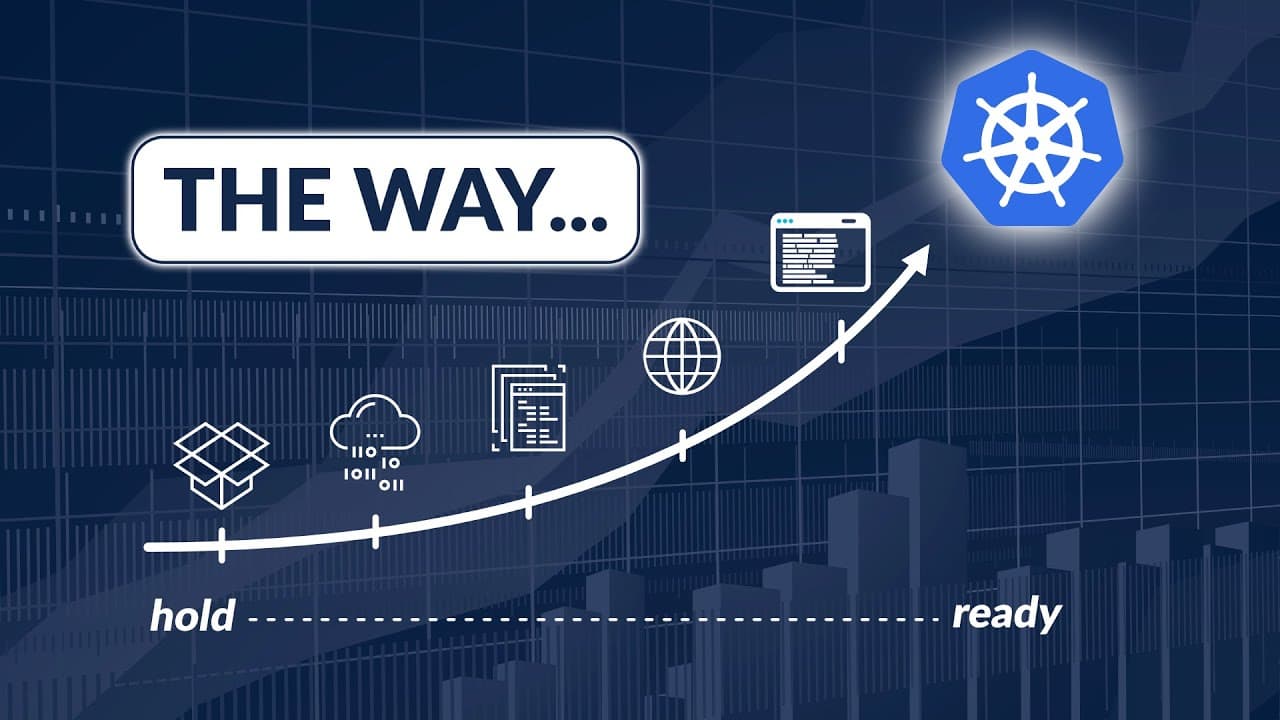
Learn the foundational concepts of containerization, cloud basics, YAML, networking, and terminal proficiency before diving into Kubernetes.
Transcript
what's up everybody it's Travis here from travis. media so back in 2019 I landed a job as a site reliability engineer prior to that I was a developer but this local company landed a big contract and needed a lot of people quickly and so I was asked to interview for the position and I landed it but I wasn't a site reliability engineer it's a well-de... Read More
Key Insights
- ✋ Kubernetes adoption is increasing rapidly, with a record high of 96% of organizations either using or evaluating Kubernetes.
- ❓ Containerization is a foundational concept for Kubernetes, and understanding Docker, a popular containerization platform, is essential.
- 😶🌫️ Cloud basics are important for deploying Kubernetes in a managed cloud environment, and familiarity with cloud services like virtual machines and load balancers is necessary.
- 📁 YAML is used for writing configuration files in Kubernetes, and understanding its syntax and structure is crucial for declaring the desired state of objects.
- ❓ Networking knowledge, especially Linux networking, is important for understanding how different components in Kubernetes communicate and connect.
- 🫥 Proficiency in using the command line and the
kubectlCLI is necessary for managing and interacting with a Kubernetes cluster. - 🤗 The recommended course for learning Kubernetes is the certified Kubernetes administrator with practice tests course on Udemy, which offers hands-on labs and covers core concepts.
Install to Summarize YouTube Videos and Get Transcripts
Explore YouTube Video Summarizer or Get YouTube Transcript Extractor
Questions & Answers
Q: What is containerization, and why is it important for Kubernetes?
Containerization is the process of packaging code and its dependencies into a container, providing portability and reproducibility. It is important for Kubernetes because containers are deployed to the platform, and understanding containerization allows for efficient deployment and management of applications.
Q: Why is familiarity with cloud basics important for Kubernetes?
Many organizations choose to deploy Kubernetes in the cloud as a managed solution. Understanding cloud concepts like virtual machines and load balancers is crucial for effectively utilizing cloud platforms for hosting Kubernetes clusters.
Q: What is the role of YAML in Kubernetes?
YAML is used for writing configuration files, called manifest files, that define the desired state of Kubernetes objects. These files declare how objects should be created and Kubernetes ensures that the actual state matches the declared state.
Q: Why is networking knowledge important for learning Kubernetes?
Kubernetes has a complex networking architecture, and understanding networking concepts is crucial for understanding how different components in a Kubernetes cluster communicate and connect. This knowledge is necessary for networking between pods, networking with external destinations, and understanding different service types.
Q: Why is terminal proficiency necessary for interacting with Kubernetes?
The primary tool for managing a Kubernetes cluster is the kubectl command-line interface (CLI). Being proficient in the command line and using tools like vi or Nano for editing files allows for efficient management and interaction with a Kubernetes cluster.
Summary & Key Takeaways
-
Kubernetes is a widely adopted container orchestration platform, and it is important to understand its foundational concepts before learning it.
-
Containerization is the process of packaging code and its dependencies into a container, and Docker is a popular containerization platform.
-
Cloud basics are necessary for deploying Kubernetes in a managed cloud environment, and familiarity with virtual machines and load balancers is important.
-
YAML is a data serialization language used for writing configuration files for Kubernetes, and it is crucial for declaring the desired state of Kubernetes objects.
-
Networking knowledge, particularly Linux networking, is important for understanding how different components in Kubernetes communicate and connect.
-
Proficiency in using the command line, specifically the
kubectlCLI, is necessary for managing a Kubernetes cluster.
Read in Other Languages (beta)
Share This Summary 📚
Summarize YouTube Videos and Get Video Transcripts with 1-Click
Try YouTube Summary with ChatGPT & Claude or YouTube Transcript Generator
Explore More Summaries from Travis Media 📚





Summarize YouTube Videos and Get Video Transcripts with 1-Click
Try YouTube Summary with ChatGPT & Claude or YouTube Transcript Generator