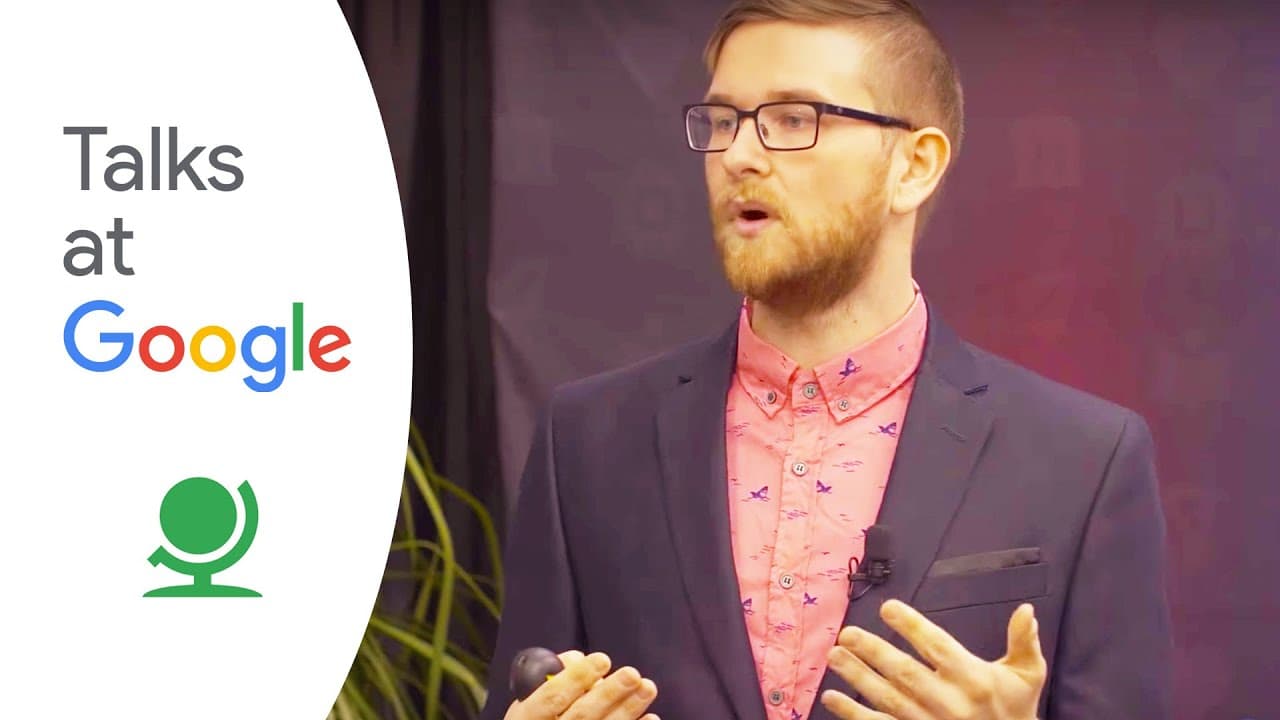
Detroit '67: The Model City Myth | William Winkel | Talks at Google
TL;DR
Comprehensive analysis of Detroit's 1967 uprising, exploring causes, impacts, and legacies.
Transcript
[MUSIC PLAYING] SPEAKER 1: Please, let's put our hands together for William Winkel. Thank you. [APPLAUSE] WILLIAM WINKEL: Thank you all for being here today. My presentation is called, "Myth of the Model City, the Uprising of 1967." I'm sure many of you have heard about the anniversary of '67, especially given all the events that are going on in th... Read More
Key Insights
- 👮 Detroit's 1967 uprising was a complex event rooted in systemic racism, police brutality, and socioeconomic disparities.
- 💗 Mayor Jerome Cavanagh's leadership and failed policies contributed to the city's growing tensions and unrest.
- 🖤 Segregation, housing discrimination, and economic marginalization of the black community played a significant role in fueling the uprising.
- 🥺 The uprising led to widespread destruction, federal intervention, and long-term impacts on Detroit's social and economic landscape.
Install to Summarize YouTube Videos and Get Transcripts
Explore YouTube Video Summarizer or Get YouTube Transcript Extractor
Questions & Answers
Q: What were some key factors that led to the 1967 Detroit uprising?
The uprising was fueled by long-standing grievances, police brutality, economic disparities, and widespread segregation in the city. Mayor Cavanagh's failed policies and systemic racism further exacerbated tensions.
Q: How did the Detroit Police Department's tactics contribute to the unrest in the city?
The Detroit Police Department's aggressive tactics, such as the "big four" strategy and investigative arrests, targeted the black community disproportionately. These practices led to heightened tensions and a sense of injustice among residents.
Q: What role did segregation and housing discrimination play in the events of 1967?
Detroit's extreme segregation, enforced through restrictive covenants and redlining, created economic and social disparities that marginalized the black community. Unfair housing practices and employment discrimination exacerbated racial tensions in the city.
Q: How did the media and political figures frame the 1967 uprising in Detroit?
The media and political figures used different terms like riot, rebellion, and civil disturbance to describe the events of 1967. These terms reflected different perspectives on the causes and consequences of the uprising, shaping public perception and discourse about the events.
Summary & Key Takeaways
-
Detroit in the 1960s seemed progressive due to civil rights marches and a strong economy.
-
Mayor Jerome Cavanagh's leadership, segregation issues, and police brutality fueled tensions.
-
The uprising involved looting, fires, and sniping, leading to federal troops intervention.
Read in Other Languages (beta)
Share This Summary 📚
Summarize YouTube Videos and Get Video Transcripts with 1-Click
Try YouTube Summary with ChatGPT & Claude or YouTube Transcript Generator
Explore More Summaries from Talks at Google 📚

Summarize YouTube Videos and Get Video Transcripts with 1-Click
Try YouTube Summary with ChatGPT & Claude or YouTube Transcript Generator