Food from the Ocean, Rivers and Lakes – Essential for Food Systems | Virtual Ocean Dialogues 2021
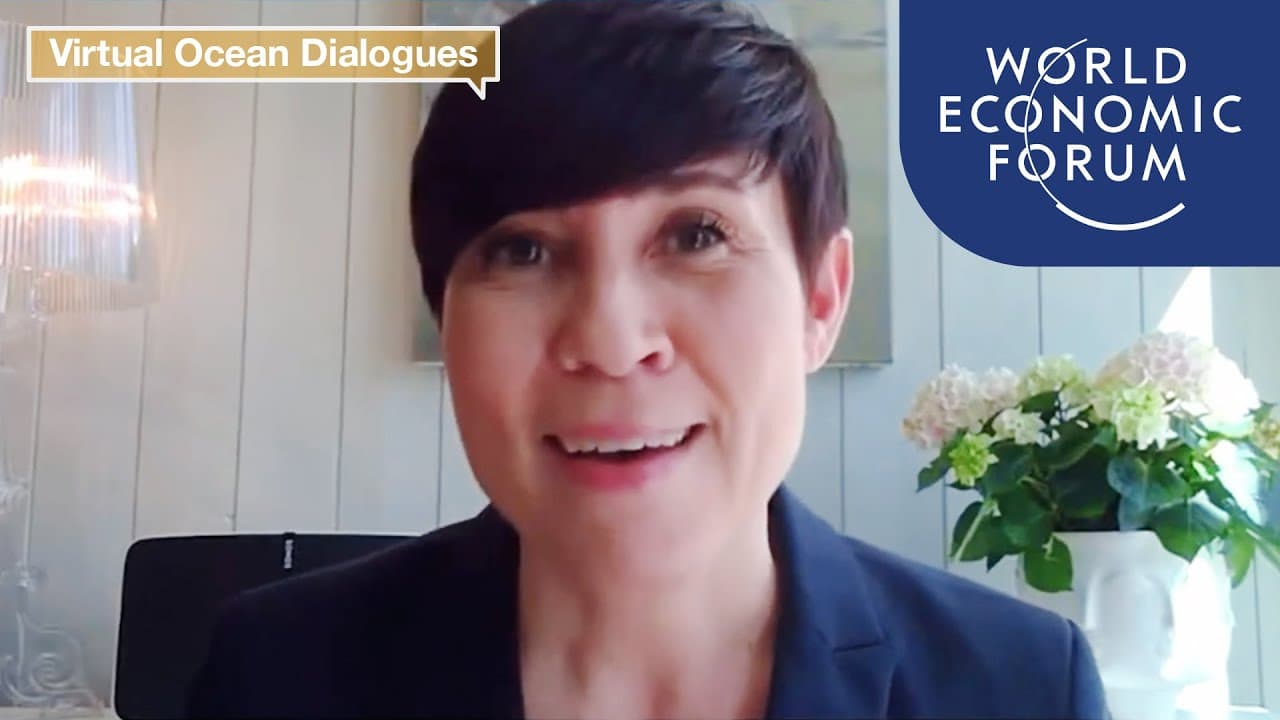
TL;DR
- Blue foods offer sustainable nutrition. Experts discuss 2030 food security, sustainable aquatic food management, and women's empowerment in food systems.
Transcript
blue foods are captured or cultured in rivers and lakes in the ocean they include fish and invertebrates algae and aquatic plants they're a wonderful source of locally produced nutrition for millions of people and if sustainably managed have huge potential to feed so many more so friends of ocean action and our colleagues have identified many oppor... Read More
Key Insights
- 😋 Sustainable aquatic food management requires international cooperation for resource sharing and environmental preservation.
- 😋 Data-rich innovation is vital for informed decision-making, efficient resource utilization, and improved food security.
- 😋 Gender empowerment in aquatic food systems promotes inclusivity, community resilience, and sustainable practices.
- 😋 Consumer trends influence the market towards sustainable fisheries, ethical choices, and innovative food production methods.
- 😋 Aquaculture offers significant growth potential, with cellular aquaculture providing an alternative for sustainable food production.
- 😋 National governments must implement policy frameworks to support sustainable food systems, driven by accountability and active engagement with youth and stakeholders.
- 😋 The dialogue on food sustainability showcases diverse perspectives and solutions to address global food security and environmental challenges.
Install to Summarize YouTube Videos and Get Transcripts
Explore YouTube Video Summarizer or Get YouTube Transcript Extractor
Questions & Answers
Q: How can international cooperation enhance aquatic food system sustainability?
International cooperation, akin to the Norway-Russia joint fisheries commission model, promotes sustainable aquatic food management by pooling resources, sharing knowledge, and jointly managing fish stocks for mutual benefit and environmental preservation.
Q: What role does data-rich innovation play in improving aquatic food systems?
Data-rich innovation allows for informed decision-making by providing insights into aquatic resources, fisheries management, and consumer trends, enabling more sustainable practices, efficient resource utilization, and increased food security.
Q: How does gender empowerment contribute to the advancement of aquatic food systems?
Empowering women in small-scale fisheries and aquaculture not only promotes gender equality but also enhances livelihoods, increases community resilience, and ensures inclusive policy-making, ultimately fostering sustainable aquatic food systems.
Q: How can consumer trends influence the shift towards sustainable aquatic food production?
Consumers play a crucial role in shaping food systems by demanding sustainable, ethical seafood choices, driving the market towards environmentally friendly practices, and supporting innovations like cellular aquaculture to meet global food needs while preserving marine resources.
Summary & Key Takeaways
-
Blue foods, captured in rivers, lakes, and oceans, provide locally produced nutrition for millions and have the potential to feed more sustainably.
-
Experts emphasize the importance of cooperation among nations, data-rich innovation, gender empowerment, and consumer influence to enhance aquatic food systems.
-
Aquaculture growth, female empowerment, green investments, and consumer trends shape a sustainable future for food systems worldwide.
Read in Other Languages (beta)
Share This Summary 📚
Summarize YouTube Videos and Get Video Transcripts with 1-Click
Try YouTube Summary with ChatGPT & Claude or YouTube Transcript Generator
Explore More Summaries from World Economic Forum 📚

Summarize YouTube Videos and Get Video Transcripts with 1-Click
Try YouTube Summary with ChatGPT & Claude or YouTube Transcript Generator