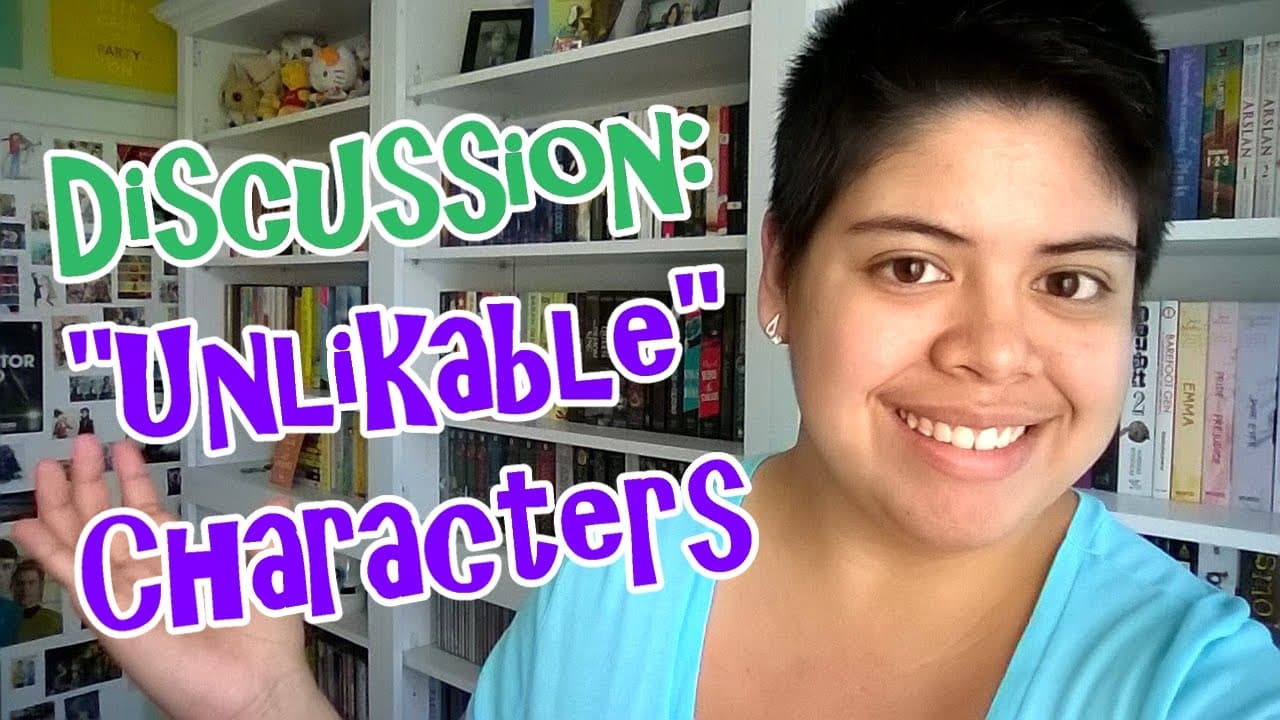
Let's Talk: "Unlikable" Characters
TL;DR
Critiquing the use of "unlikable character" label in reviews, highlighting subjective harm and gender bias.
Transcript
Bibliophiles of the internet: My name is Adriana, and today I want to have a little chat about the term "unlikable characters"— —what we're really saying, or implying, when we use that term; whether or not it has a place in our community and in our reviews when we're reviewing books or any kind of narratives; and perhaps even my personal viewpoint ... Read More
Key Insights
- 🍉 Subjectivity of the term "unlikable characters" undermines meaningful critique.
- 🕵️♀️ Gender bias is evident in the labeling of female characters as "unlikable."
- ❓ Specific character analysis fosters deeper discussions in reviews.
- ❓ Realistic character portrayals should be valued over unrealistic perfection expectations.
- 🪪 Personal identification with flawed characters fosters empathy and understanding.
- 😒 Use of blanket terms like "unlikable" can hinder discussions on societal norms in literature.
- 🏷️ Reviewers should emphasize character complexity and development over simplistic labels.
Install to Summarize YouTube Videos and Get Transcripts
Explore YouTube Video Summarizer or Get YouTube Transcript Extractor
Questions & Answers
Q: Why is the term "unlikable character" deemed unhelpful in book reviews?
The term is subjective and fails to provide specific critiques, hindering meaningful discussions about character depth and societal reflections.
Q: How does the labeling of female characters as "unlikable" perpetuate harmful expectations?
Female characters are often unfairly judged for flaws that are accepted in male characters, creating a damaging double standard and unrealistic standards for women in fiction.
Q: What should reviewers focus on instead of using the "unlikable character" label?
Reviewers should delve into specific character actions and traits, fostering in-depth discussions about character development, societal norms, and personal interpretations.
Q: How does the concept of "unlikable characters" affect reader identification and empathy?
Calling characters "unlikable" can alienate readers who connect emotionally with flawed characters, potentially leading to feelings of exclusion and judgment.
Summary & Key Takeaways
-
The term "unlikable character" is subjective and unproductive in book reviews.
-
Specific analysis of character flaws is more beneficial than blanket terms.
-
Gender bias and unrealistic expectations are highlighted in the labeling of female characters as "unlikable."
Read in Other Languages (beta)
Share This Summary 📚
Summarize YouTube Videos and Get Video Transcripts with 1-Click
Try YouTube Summary with ChatGPT & Claude or YouTube Transcript Generator
Explore More Summaries from perpetualpages 📚






Summarize YouTube Videos and Get Video Transcripts with 1-Click
Try YouTube Summary with ChatGPT & Claude or YouTube Transcript Generator