The Internet is starting to Break - Here's Why.
TL;DR
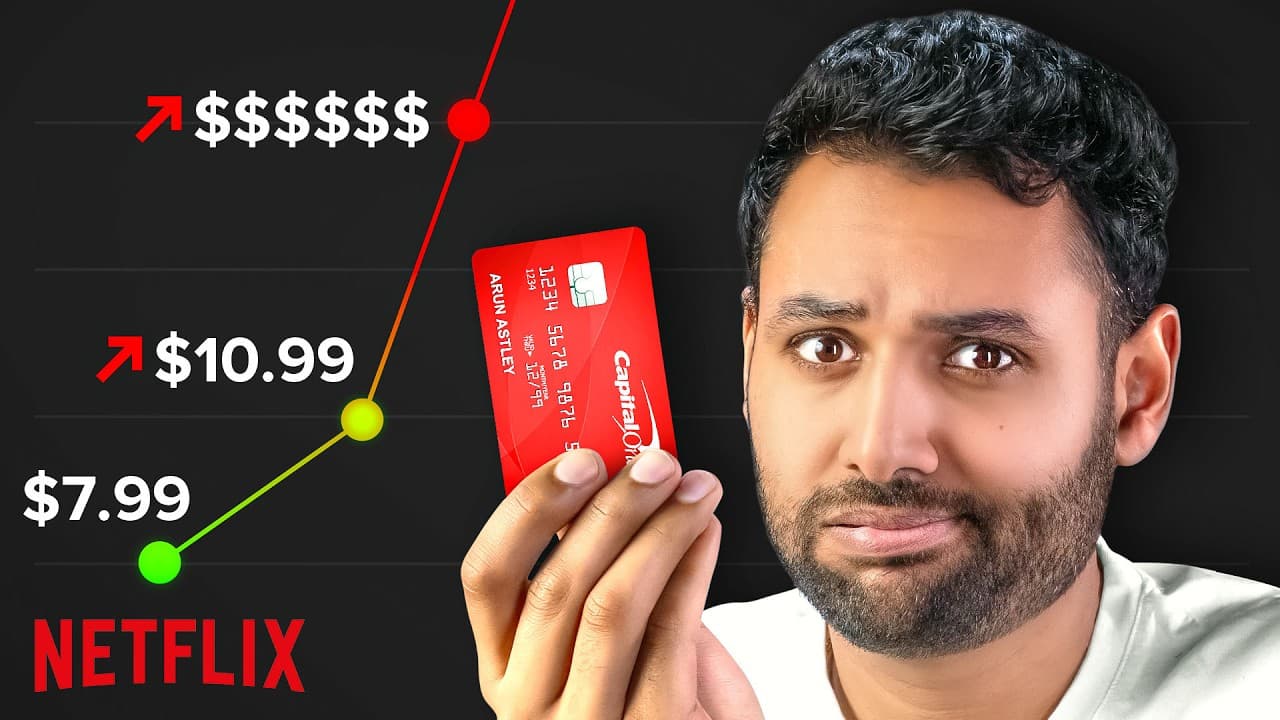
Major tech companies exploit consumers through deceptive pricing and tiered subscription models.
Transcript
Amazon sucks right now Uber sucks right now Netflix Sucks Facebook sucks Instagram sucks every big tech company is changing in front of our very eyes and I know I usually try and see the bright side of tech but for this video I just want to be very brutally honest I think most of these Services we use are worse than you think and I want people to d... Read More
Key Insights
- 😃 Big tech companies shift strategies to maximize profits at the expense of user experience after gaining market dominance, leading to consumer exploitation.
- 🐕🦺 Tiered service offerings create disparities in quality, compelling consumers to pay more for effective service while basic options decline.
- 👤 The subscription model is often designed more for company profit than user satisfaction, introducing hidden costs and reduced quality over time.
- 😒 Consumers frequently encounter dark patterns that make cancellation difficult, resulting in ongoing payments for services they may not use.
- 🤱 Subscription fees can often lead to spending more for lower-quality services compared to their original offerings when they were free or had one-time fees.
- 😷 Companies like Amazon and Uber exploit the trust of their user base, leading to inflated pricing and less reliable service delivery while masking these changes as added features or improvements.
- 🐕🦺 The expansion of subscription services can create a fragmented user experience, where consumers are forced to juggle multiple services at increased total costs.
Install to Summarize YouTube Videos and Get Transcripts
Explore YouTube Video Summarizer or Get YouTube Transcript Extractor
Questions & Answers
Q: How do big tech companies initially attract users to their platforms?
Companies like Uber and Netflix attract users by providing exceptional value and convenience at lower prices than traditional alternatives. For instance, Uber's early model offered significantly cheaper fares compared to taxis, positioning itself as a necessary service. This approach quickly garnered a loyal customer base, which later became difficult to retain without compromising service quality.
Q: What is "ification," and how does it impact consumers?
"Ification" describes the process by which tech companies initially provide high-quality service before gradually tiering their offerings. This results in basic users experiencing worse service as companies prioritize higher-paying customers. By segregating services into different classes, regular users often face longer wait times or diminished experiences, benefiting only those willing to pay a premium.
Q: Can you explain how tiered pricing affects service quality?
Tiered pricing leads to a degradation of standard services. For example, Uber offers priority and luxury ride options that pull drivers away from regular fares, increasing wait times for those unwilling to pay higher rates. This strategy incentivizes users to upgrade for better service while making standard options less appealing, ultimately diluting the overall user experience.
Q: What role do subscriptions play in the decline of service quality?
Subscriptions create recurring revenue for companies but often come with hidden costs or reduced services. With companies adding fees for features that were once part of the base offering, consumers inadvertently pay more for a lesser experience, such as Netflix introducing ads with higher pricing tiers. This model locks customers into a cycle of increasing payments without improving service quality.
Q: What are some common dark patterns used by subscription services?
Dark patterns are deceptive design choices that lead consumers to make unintentional commitments, like hidden cancellation options making it hard to unsubscribe. Companies often use multi-layered processes, pre-selected slower services, or misleading prompts, which catch consumers off-guard, ultimately resulting in them overspending or remaining subscribed longer than intended.
Q: Why do tech companies favor subscription models over one-time purchases?
Subscription models offer more predictable and consistent revenue streams compared to one-off product sales. This model allows companies to showcase a stable user base to investors, ensuring ongoing income while also promoting upselling of higher-tier plans. As users become locked into subscriptions, companies can increase prices or add fees without losing a customer base eager to access their services.
Q: What can consumers do to combat exploitative subscription practices?
To mitigate the impact of exploitative subscriptions, consumers should proactively cancel services they only want temporarily immediately after signup. Binge-watching content on platforms for a month before moving to the next service can also save money. Additionally, advocating for clearer regulations that enforce transparency and competitive pricing among tech platforms can help hold companies accountable.
Summary & Key Takeaways
-
Big tech firms, having secured their market share, shift focus to maximizing profits through aggressive pricing strategies that often deceive consumers and diminish service quality.
-
The introduction of tiered services in companies like Uber and Netflix illustrates how basic offerings degrade, forcing users to pay more for less satisfactory options.
-
Subscription models now serve companies more than consumers, leading to hidden costs, complicated cancellation processes, and ultimately a lower quality service, reflecting issues across various platforms.
Read in Other Languages (beta)
Share This Summary 📚
Summarize YouTube Videos and Get Video Transcripts with 1-Click
Try YouTube Summary with ChatGPT & Claude or YouTube Transcript Generator
Explore More Summaries from Mrwhosetheboss 📚





Summarize YouTube Videos and Get Video Transcripts with 1-Click
Try YouTube Summary with ChatGPT & Claude or YouTube Transcript Generator