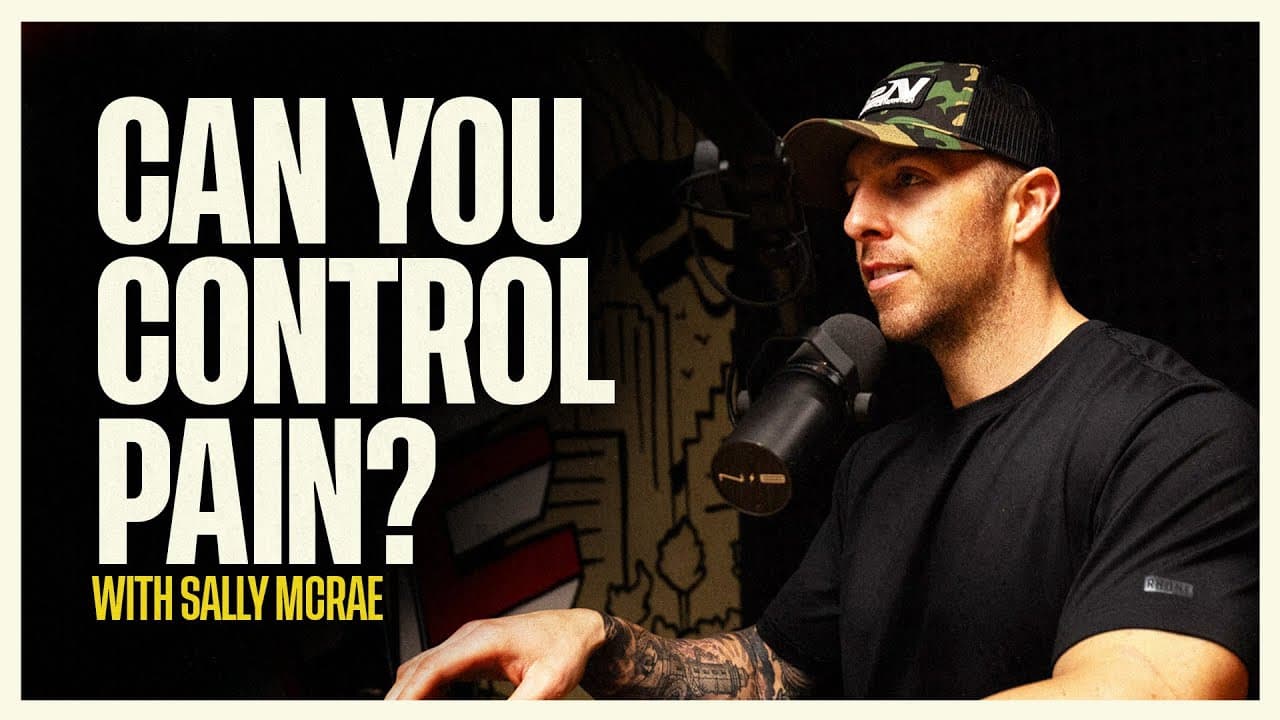
Is Pain Management Actually One of Your Greatest Strengths? - Sally McRae
TL;DR
Pain management is a personal strength that influences success.
Transcript
one of my favorite quotes actually is that the public will praise you for what you practice in private and I firmly believe that which kind of reinforces what you were just saying this morning I saw this uh this quote that said pain does not exist and I I I saw this and I thought on it for a while I was like I do agree with this and then I didn't a... Read More
Key Insights
- Pain is subjective and is influenced by the attention and importance we assign to it. Managing pain effectively can be a significant personal strength.
- Physical, mental, and emotional pain all require management, and how we handle these can dictate our life outcomes and achievements.
- The concept that pain doesn't exist is controversial, as pain perception varies widely among individuals, and context matters greatly.
- Pain should not dominate or paralyze us; instead, we should control its power and influence over our lives.
- There are different levels and types of pain, and understanding this can prevent premature quitting and foster resilience.
- Experiencing and overcoming pain can build character and resilience, which are crucial for personal growth and achieving life goals.
- Applying lessons learned from physical challenges to real-life situations can lead to meaningful actions and true growth.
- True character development often comes from enduring challenges and embracing discomfort, rather than seeking external validation or rewards.
Install to Summarize YouTube Videos and Get Transcripts
Explore YouTube Video Summarizer or Get YouTube Transcript Extractor
Questions & Answers
Q: What is the main argument about pain in the content?
The main argument is that pain management is a personal responsibility and a significant strength. Pain exists based on the value and focus we give it, and it should not dominate our lives. By controlling its influence, we can achieve better outcomes and personal growth.
Q: How does the content differentiate between types of pain?
The content differentiates between types of pain by highlighting that pain can be physical, mental, or emotional. It emphasizes the importance of recognizing different levels and types of pain to prevent premature quitting and to foster resilience, as not all pain should be treated equally.
Q: What role does perspective play in pain management?
Perspective plays a crucial role in pain management as it dictates the value and focus we give to pain. By shifting our perspective, we can control the power and influence pain has over us, allowing us to manage it effectively and prevent it from paralyzing or dominating our lives.
Q: Why is it important to apply lessons from physical challenges to real life?
Applying lessons from physical challenges to real life is important because it fosters resilience and meaningful personal growth. It helps in building character, as overcoming physical challenges equips individuals with mental toughness and endurance that can be translated into handling real-life situations more effectively.
Q: What does the content suggest about external validation and character development?
The content suggests that true character development often comes from enduring challenges and embracing discomfort, rather than seeking external validation or rewards. It emphasizes that the path to building character may be unpopular and lacks external applause, but it is invaluable for personal growth and resilience.
Q: How does the content view the concept of pain not existing?
The content views the concept of pain not existing as controversial and context-dependent. It acknowledges that while some may argue pain doesn't exist unless given a voice, this perspective can be difficult to accept for those experiencing significant suffering, highlighting the importance of understanding individual experiences and contexts.
Q: What is the significance of understanding different pain levels?
Understanding different pain levels is significant because it helps individuals avoid premature quitting and fosters resilience. Recognizing that not all pain is the same allows for better management strategies and prevents individuals from being overwhelmed by minor discomforts, enabling them to pursue and achieve their goals.
Q: What personal experiences are shared in the content to illustrate points about pain?
The content shares personal experiences of enduring physical challenges, such as long-distance races, and witnessing raw pain in places like orphanages and prisons. These experiences illustrate the relativity of pain and highlight the importance of applying lessons from such challenges to real-life situations for personal growth and resilience.
Summary & Key Takeaways
-
Pain management is a personal responsibility and can be one of an individual's greatest strengths, influencing outcomes and achievements. The value and focus we give to pain determine its impact on our lives.
-
Different types and levels of pain exist, and understanding this can prevent shutdowns and quitting. Applying lessons from physical challenges to real-life situations fosters resilience and meaningful personal growth.
-
True growth and character development come from enduring challenges, embracing discomfort, and translating physical and emotional endurance into real-life character and meaningful actions, rather than seeking external validation.
Read in Other Languages (beta)
Share This Summary 📚
Summarize YouTube Videos and Get Video Transcripts with 1-Click
Try YouTube Summary with ChatGPT & Claude or YouTube Transcript Generator
Explore More Summaries from The Nick Bare Podcast 📚
Summarize YouTube Videos and Get Video Transcripts with 1-Click
Try YouTube Summary with ChatGPT & Claude or YouTube Transcript Generator