Tracking Plant Genetics Through Art
TL;DR
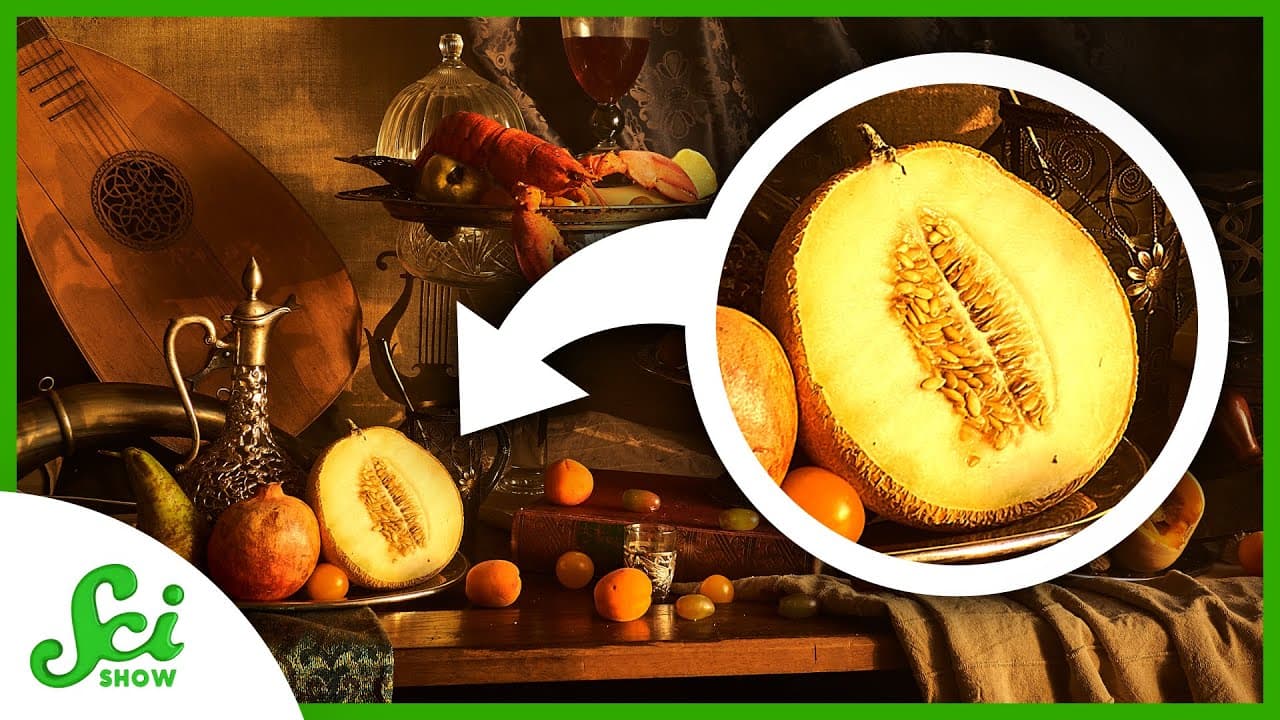
Researchers use historic art combined with genetic information to trace plant evolution and human cultivation, revealing insights into ancient civilizations.
Transcript
[♪ INTRO] If scientists want to track the evolutionary history of a plant, they might turn to something like fossils. But some scientists are using a far less traditional resource, art. By combining it with genetic information, they can paint a picture not only of what plants looked like back in the day, but of how and where humans grew them in civ... Read More
Key Insights
- 🥰 Art genetics combines historic art with genetic data to unravel the evolution of plant-based foods.
- 🥺 Plant traits have been altered through artificial selection, leading to changes in taste, size, and nutritional value over time.
- 😋 Ancient civilizations utilized plant-based foods for sustenance, trade, and cultural practices, as depicted in artworks from different regions.
- 🥰 Researchers face challenges in interpreting art for scientific purposes due to artistic liberties and inaccuracies in depictions.
- 🌱 Contributing to a searchable database of plant-related artwork enables a collaborative effort to enhance scientific understanding of plant evolution.
- 🌱 Understanding plant evolution through art genetics provides insights into the biological mechanisms behind the appearance of modern plant foods.
- 🌱 By tracing plant evolution through art and genetics, researchers can reconstruct the history of plant domestication and cultivation practices.
Install to Summarize YouTube Videos and Get Transcripts
Explore YouTube Video Summarizer or Get YouTube Transcript Extractor
Questions & Answers
Q: How does art genetics differ from traditional methods for studying plant evolution?
Art genetics combines historic art with genetic data to analyze plant evolution, providing insights into the visual appearance and cultivation practices of ancient plants.
Q: What role do plant-based foods play in past cultures and economies?
Plant-based foods have influenced ancient civilizations, with researchers using art genetics to trace the spread of crops and their significance in trade and cultural practices.
Q: What challenges do researchers face when using art as a scientific resource?
Researchers must navigate artistic interpretations and inaccuracies in historic art, requiring them to cross-reference multiple artworks and validate findings through genetic analysis.
Q: How can individuals contribute to the study of plant evolution through art genetics?
People can contribute to a searchable database by submitting images of artwork depicting plants, along with information on the artist and date, to enhance the understanding of plant evolution.
Summary & Key Takeaways
-
Scientists utilize art genetics to analyze ancient paintings and sculptures alongside genetic data to reconstruct the evolution of plant-based foods.
-
By tracking changes in plant traits through art, researchers uncover the roles of plants in past cultures, economies, and trade routes.
-
Art, combined with genetics, offers a unique perspective on how plant foods have evolved over time and across different civilizations.
Read in Other Languages (beta)
Share This Summary 📚
Summarize YouTube Videos and Get Video Transcripts with 1-Click
Try YouTube Summary with ChatGPT & Claude or YouTube Transcript Generator
Explore More Summaries from SciShow 📚


Summarize YouTube Videos and Get Video Transcripts with 1-Click
Try YouTube Summary with ChatGPT & Claude or YouTube Transcript Generator