Cardio That BUILDS MUSCLE? Start Doing This to Improve Endurance & GAIN Muscle | Mind Pump 1846
TL;DR
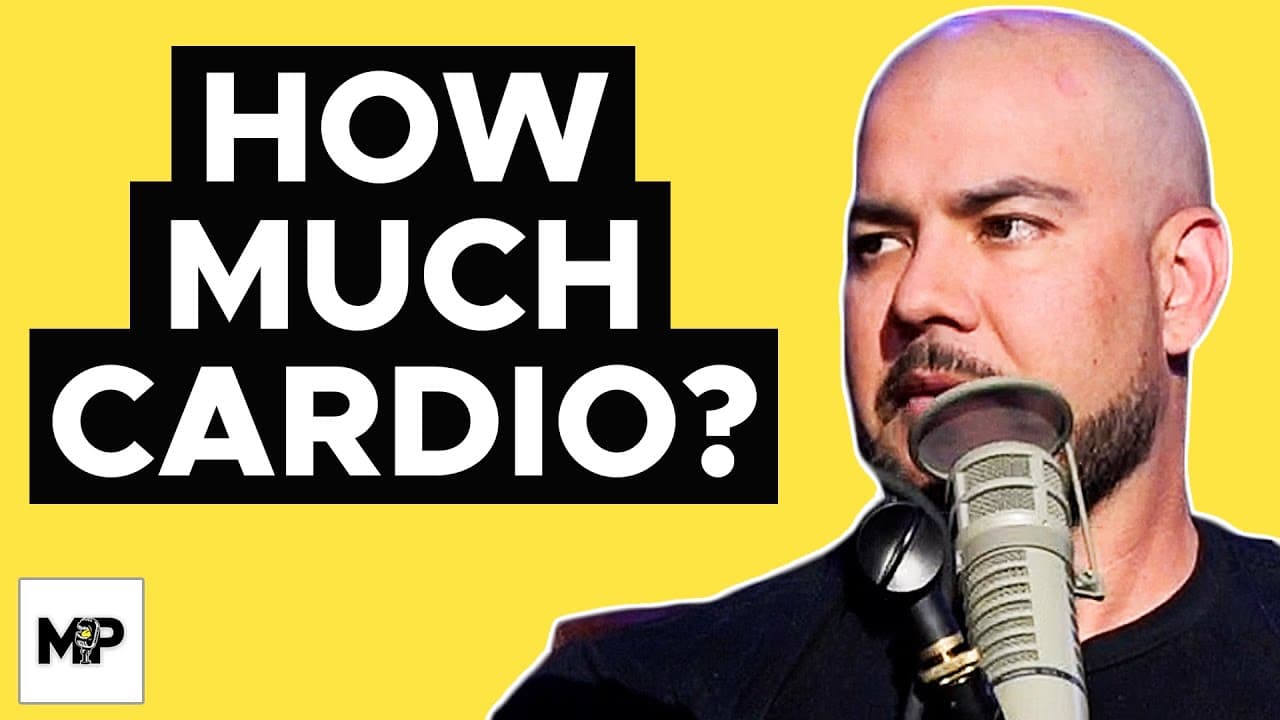
Cardio, when done correctly, can help build muscle.
Transcript
I think if you're going to run a okay I'm going to really challenge myself cardiovascular I'm going to start training Hill Sprints or I'm going to start to incorporate you know something whether it be sled drives or whatever it is to work increase your work capacity I'm also going to then pull back on some of the things that I'm doing in resistance... Read More
Key Insights
- Cardio can aid muscle building if it's not the primary method for burning calories and is integrated thoughtfully with resistance training.
- Excessive exercise without proper balance can lead to hormonal imbalances and overtraining, as seen in the example of a listener who trains excessively.
- A structured program like MAPS can help maintain fitness during extended travel, even without regular gym access.
- Incorporating unconventional exercises and focusing on mobility can lead to significant strength gains, especially for experienced lifters.
- For long-distance rucking, it's essential to train with the equipment as it will be used in competition to ensure efficiency and effectiveness.
- Intro workout carbohydrates can be beneficial for prolonged activities, helping to maintain energy levels and performance.
- The fitness industry is moving towards more science-based approaches, as seen in the new policies for transgender athletes in swimming.
- Supplements should be targeted based on individual deficiencies, as broad-spectrum supplements may not address specific needs effectively.
Install to Summarize YouTube Videos and Get Transcripts
Explore YouTube Video Summarizer or Get YouTube Transcript Extractor
Questions & Answers
Q: Is 3.5 hours of activity per day too much?
Yes, 3.5 hours of activity per day is generally excessive, especially if it includes high-intensity workouts. This level of activity can lead to overtraining, hormonal imbalances, and fatigue. It's recommended to scale back, incorporate rest days, and focus on quality over quantity for better results.
Q: How can I maintain fitness while traveling for a year?
Maintaining fitness during extended travel is feasible with a structured plan. Focus on daily short workouts using bodyweight exercises and minimal equipment like bands. Programs like MAPS Anywhere can guide you through effective routines without needing a full gym. Prioritize consistency and adaptability in your workouts.
Q: Why did I see strength gains after doing MAPS Performance?
Strength gains after MAPS Performance are likely due to the program's focus on unconventional exercises and mobility work, which introduce novel stimuli to the body. This is especially effective for experienced lifters who typically follow traditional routines. The variety and focus on different movement patterns can lead to significant improvements.
Q: How should I wear a rucksack for a 50-mile march?
For a 50-mile march, it's crucial to wear the rucksack as trained, with the pack tight and close to the body. This ensures efficiency and prevents fatigue. Training with the rucksack in the same manner as during the march will help build the necessary endurance and strength.
Q: What should I consume during a long performance to maintain energy?
During long performances, consuming a carbohydrate drink with some added salt can help maintain energy levels. This approach supports prolonged activities by replenishing glycogen stores and maintaining electrolyte balance. Consider using products like Gatorade mixed with water and a salt supplement like element.
Q: How does the new policy on transgender athletes affect swimming competitions?
The new policy by FINA restricts transgender women from competing if they transition after puberty. This decision is based on maintaining fairness in women's competitions by acknowledging the biological advantages retained after puberty. It marks a shift towards more science-based policies in sports.
Q: What is the benefit of targeted supplementation?
Targeted supplementation addresses specific deficiencies identified through testing, offering more effective solutions than broad-spectrum supplements. This approach ensures that individuals receive the nutrients they specifically need, improving health outcomes and performance. Companies like Equi.Life provide such personalized supplement plans.
Q: Can cardio really help build muscle?
Yes, when integrated properly with resistance training, cardio can support muscle building. It should not be the primary method for calorie burning but used to enhance work capacity and cardiovascular health. The key is balancing it with strength training to prevent muscle loss and metabolic slowdown.
Summary & Key Takeaways
-
Cardio can be beneficial for muscle building if integrated properly with resistance training and not used as the primary calorie-burning method. It's important to focus on adaptations rather than just calorie expenditure.
-
For individuals with high training volumes, scaling back and focusing on restorative exercises can improve hormonal balance and overall fitness. Overtraining can lead to negative health impacts, such as hormonal imbalances.
-
Travelers can maintain their fitness levels by incorporating short, daily workouts using bodyweight and minimal equipment, such as bands or suspension trainers. Programs like MAPS Anywhere are designed for such scenarios.
Read in Other Languages (beta)
Share This Summary 📚
Summarize YouTube Videos and Get Video Transcripts with 1-Click
Try YouTube Summary with ChatGPT & Claude or YouTube Transcript Generator
Explore More Summaries from Mind Pump Show 📚


Summarize YouTube Videos and Get Video Transcripts with 1-Click
Try YouTube Summary with ChatGPT & Claude or YouTube Transcript Generator