Lion Insemination | National Geographic
TL;DR
Conservationists use artificial insemination to preserve genetic diversity in African lions facing habitat loss.
Transcript
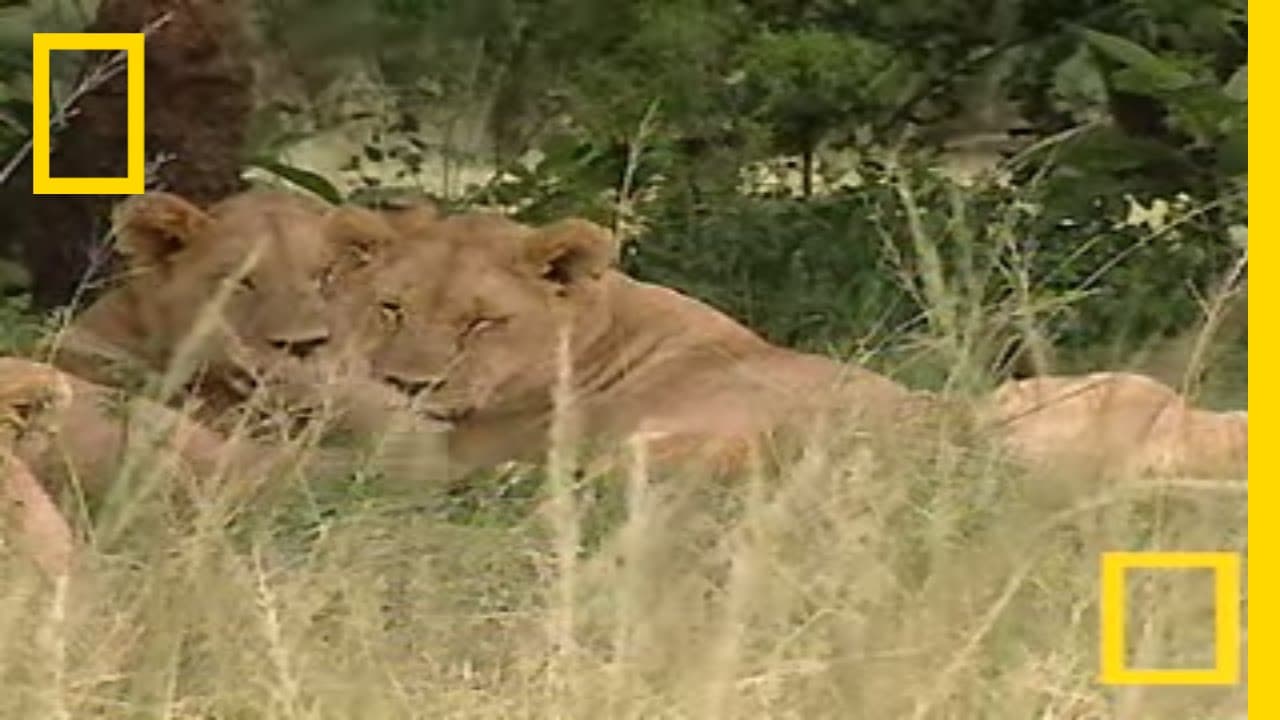
African lions are losing more and more of their habitat but their problem is not one of space alone because lions need lots of room to roam only the biggest parks have enough space to support several prized with a variety of genes lions and smaller reserves have a very limited gene pool making them much more susceptible to disease we have a whole b... Read More
Key Insights
- 🥺 Habitat loss is causing African lion populations to become isolated, leading to genetic diversity issues.
- 🦁 Inbred lion populations are more susceptible to disease and have a limited gene pool.
- 🦁 Conservationists are using artificial insemination to preserve genetic diversity in African lions.
- 🇿🇦 Dr. Paul Bartels in South Africa is at the forefront of artificial insemination technology for lions.
- 😒 Genetic material from lions is collected, frozen, and stored for future use in maintaining genetic diversity.
- 🦁 Lions' aggressive behavior and the challenges of operating on wild animals make artificial insemination difficult.
- 🦁 The success of artificial insemination in lions could ensure the health and diversity of future lion populations.
Install to Summarize YouTube Videos and Get Transcripts
Explore YouTube Video Summarizer or Get YouTube Transcript Extractor
Questions & Answers
Q: Why are African lion populations facing genetic diversity issues?
African lion populations are becoming isolated due to habitat loss, resulting in inbreeding and susceptibility to disease, leading to genetic diversity issues.
Q: How are conservationists addressing the genetic diversity problem in African lions?
Conservationists are using artificial insemination to preserve genetic diversity in African lions by collecting sperm from unrelated populations and inseminating females.
Q: What challenges do conservationists face in performing artificial insemination on lions?
Conservationists face challenges like lion behavior and the difficulty in operating on wild animals, which requires developing techniques to minimize stress and ensure safety.
Q: How do conservationists ensure the success of artificial insemination in African lions?
Conservationists collect genetic material from each lion, freeze and store it for future use, and are confident in eventually producing offspring through artificial insemination.
Summary & Key Takeaways
-
Due to habitat loss, African lion populations are becoming isolated, leading to inbreeding and susceptibility to disease.
-
Conservationists are using artificial insemination to preserve genetic diversity in lions by collecting sperm from unrelated populations.
-
The process involves collecting genetic material, storing it, and eventually inseminating females to ensure population health.
Read in Other Languages (beta)
Share This Summary 📚
Summarize YouTube Videos and Get Video Transcripts with 1-Click
Try YouTube Summary with ChatGPT & Claude or YouTube Transcript Generator
Explore More Summaries from National Geographic 📚


Summarize YouTube Videos and Get Video Transcripts with 1-Click
Try YouTube Summary with ChatGPT & Claude or YouTube Transcript Generator