The nocebo effect -- Helen Pilcher -- Nothing event
TL;DR
Belief in negative outcomes can cause harm, opposite of the placebo effect.
Transcript
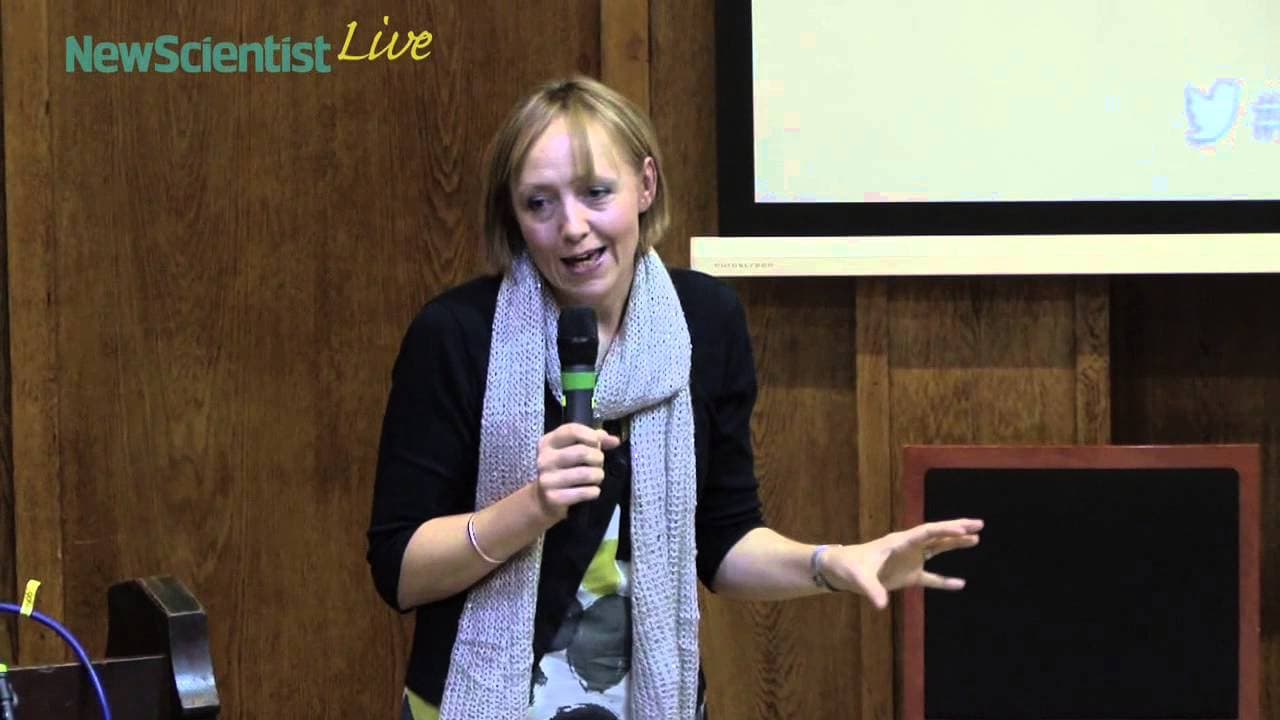
Thank You Marcus now like many good journalists Helen Pilcher has a rich past she was science society manager at the Royal Society and then a reporter for nature she has a PhD in neuroscience and even put in time as a stem-cell researcher in recent years she has carved out a successful career as a freelance science writer and a performer she writes... Read More
Key Insights
- 🥺 The story of Vance Vander's illustrates how a curse led to physical illness, emphasizing the power of beliefs on health.
- 🧑⚕️ The placebo effect and the nocebo effect represent the positive and negative impacts of beliefs on health outcomes.
- 🥺 Negative expectations, like those in the nocebo effect, can lead to psychosomatic illness, causing real physical symptoms.
- ❓ The nocebo effect can have serious implications, affecting treatment outcomes and patient well-being in healthcare settings.
- 💆 Social media and mass psychogenic illness highlight how negative beliefs can spread and impact individuals collectively.
- 😨 Understanding the nocebo effect is crucial in modern medicine to provide better patient care and improve treatment outcomes.
- 👨🔬 Research shows that beliefs and expectations can influence reactions to medication, causing side effects even without the active drug.
Install to Summarize YouTube Videos and Get Transcripts
Explore YouTube Video Summarizer or Get YouTube Transcript Extractor
Questions & Answers
Q: What is the story of Vance Vander's and how does it illustrate the power of the nocebo effect?
The story of Vance Vander's showcases how a curse led to his deteriorating health, highlighting the impact of negative beliefs on physical well-being.
Q: How does the nocebo effect differ from the placebo effect, and why is it important to understand?
While the placebo effect harnesses positive beliefs for healing, the nocebo effect demonstrates the harmful consequences of negative expectations on health outcomes. Understanding both is crucial in healthcare.
Q: Can the nocebo effect be likened to a form of psychosomatic illness, and how does it manifest in different situations?
Yes, the nocebo effect is similar to psychosomatic illness as it shows how mental beliefs can influence physical health. It can manifest in various ways, affecting individuals differently.
Q: How does modern medicine account for the impact of the nocebo effect, and what measures can be taken to mitigate its effects?
Medical professionals are increasingly recognizing the influence of the nocebo effect and its implications. Open communication, patient education, and supportive care can help mitigate its negative impact.
Summary & Key Takeaways
-
Helen Pilcher discusses the real-life story of Vance Vander's who fell ill after being cursed by a witch doctor.
-
She introduces the concept of the placebo effect and its darker counterpart, the nocebo effect.
-
The nocebo effect can lead to significant health impacts based on negative beliefs and expectations.
Read in Other Languages (beta)
Share This Summary 📚
Summarize YouTube Videos and Get Video Transcripts with 1-Click
Try YouTube Summary with ChatGPT & Claude or YouTube Transcript Generator
Explore More Summaries from New Scientist 📚

Summarize YouTube Videos and Get Video Transcripts with 1-Click
Try YouTube Summary with ChatGPT & Claude or YouTube Transcript Generator